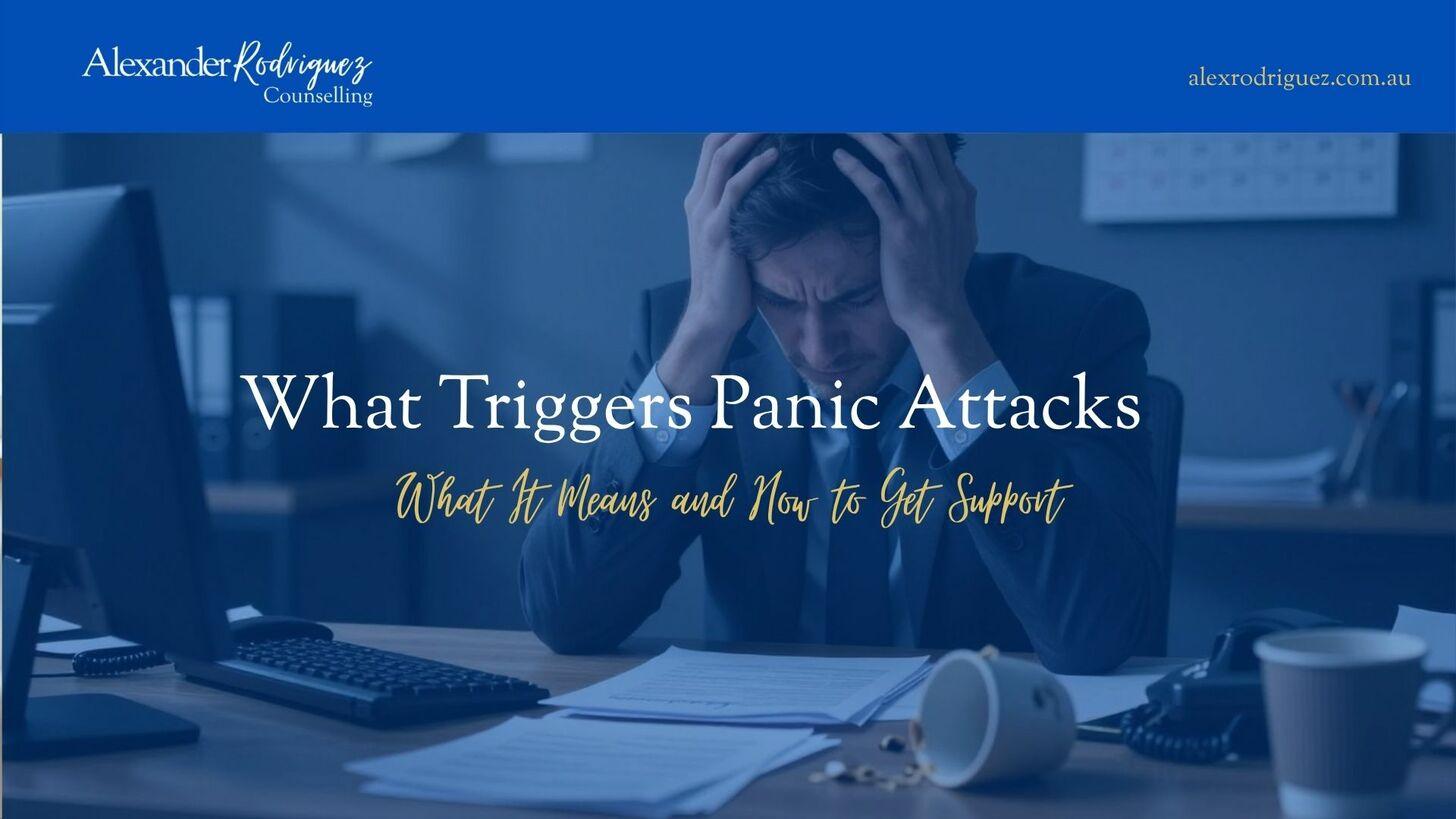
What Triggers Panic Attacks: What It Means and How to Get Support
Panic attacks can hit without warning, leaving you shaky, breathless and unsure of what is happening to your body. If you have ever felt your heart racing for no clear reason, you are not alone. According to Beyond Blue Australia’s Mental Health and Wellbeing Check, almost half (49%) of Australian adults experienced symptoms of anxiety or depression within two weeks, and this rises to almost two in three (63%) for adults aged 18 to 34.
These figures show just how common panic attack symptoms and anxiety really are across Australia, in communities right around the country. Understanding what triggers panic attacks is often the first step towards feeling calmer and more in control again.
Learning to recognise the signs of a panic attack, such as a pounding heart, tight chest, dizziness or a sudden wave of fear, can help you respond with more confidence rather than panic. Many people ask themselves how to stop panic anxiety attacks once they start, and the honest answer is that effective panic attack treatment usually combines practical strategies with professional support. Working with a qualified provider through Counselling or support for Depression & Anxiety can help you understand your personal triggers, build coping tools and feel more settled in everyday life. You do not have to work through this alone, and with the right support, panic attacks can become easier to understand and manage over time.
Understanding your panic attacks starts with a conversation. Contact Alex Rodríguez to explore how personalised counselling and support may help you feel calmer and more confident day to day. Call 0429 220 646, email info@alexrodriguez.com.au, or book your consultation online.




Alexander Rodriguez
Seize the Day, Book an Appointment Today
Reach out anytime. Book online, call us, or visit our office in person.
Key Takeaways
- Recognising that these episodes often start in late teens or early adulthood helps normalise your experience.
- Identifying specific personal stressors is the most effective way to manage future occurrences.
- Professional guidance offers a safe space to explore your feelings without judgement.
- Reaching out for support is a sign of strength, not a weakness.
- You can contact Alex Rodriguez Counselling on 0429 220 646 for immediate, compassionate assistance.
Understanding the Basics of Panic Attacks
Panic attacks are sudden episodes of intense fear that can appear without any obvious cause, even when there is no real danger in front of you. During an episode, your body reacts as if it is facing a serious threat, triggering a rush of adrenaline that causes real physical panic attack symptoms such as a racing heart, shortness of breath, sweating, trembling, chest tightness or a feeling of losing control. These sensations usually peak within about ten minutes and can last from a few minutes up to half an hour, though the emotional aftereffects may linger for longer. If you have ever wondered what triggers panic attacks, the honest answer is that they can be brought on by stress, big life changes, health concerns or sometimes nothing you can clearly point to at all.
Learning to recognise the signs of a panic attack early can help you feel less caught off guard when one happens, and understanding your body’s response is often the first step towards managing it with more confidence. Many people ask how to stop panic anxiety attacks once they begin, and while there is no instant fix, a combination of grounding techniques, breathing strategies and professional panic attack treatment can genuinely help over time. Support through Counselling or a broader focus on Depression & Anxiety can give you the tools to understand your personal triggers and respond in a way that feels manageable, rather than facing these moments alone.
What exactly is a panic attack?
A panic attack is a sudden wave of intense fear or discomfort. It peaks within minutes. You might feel like you’re in danger, even when there’s no real threat.
Remember, these episodes might feel like a heart attack, but they’re not life-threatening. Your body is just reacting to a false alarm. It’s triggering a “fight or flight” response without a real enemy.
How do panic attacks differ from general anxiety?
Many people confuse general anxiety with panic attacks. General anxiety is a persistent feeling of unease or worry. It lasts longer.
Panic attacks, on the other hand, are acute and short-lived. They are much more intense. Here are some key differences:
- Intensity: Panic is an overwhelming, explosive surge of fear. Anxiety is usually a lower-level, chronic state of tension.
- Duration: Anxiety can last for hours or days. Panic episodes typically peak and subside within a short time.
- Triggers: Anxiety is often linked to specific stressors or future worries. Panic attacks can strike unexpectedly, even when you’re calm.
Recognising these patterns is the first step toward managing your mental health. By understanding that these intense experiences are temporary, you can start to regain your stability and confidence.
Common Signs and Symptoms to Look Out For
Panic attacks often begin suddenly, without any clear warning, which can make them especially frightening the first time they happen. Learning to recognise the signs of a panic attack early can help you understand what your body is going through and respond with more confidence rather than fear. Common panic attack symptoms include a racing heartbeat, shortness of breath, chest tightness, dizziness, sweating and a sudden overwhelming sense of fear. These sensations usually peak within about ten minutes before gradually easing.
It is common to mistake these symptoms for a medical emergency, particularly the first time they occur, since the physical sensations can feel very similar to a heart problem. Being able to name what you are experiencing can make a real difference, helping you explain what you need to a doctor, psychologist or counsellor, and start finding strategies that genuinely help you feel more settled over time.
Physical indicators of a panic episode
Your body might think it’s in danger, even when it’s not. These panic attack symptoms can be very intense and scary.
Common physical signs include:
- A pounding or racing heart that feels like it is skipping beats.
- Sudden sweating, chills, or hot flushes.
- Tightness or sharp chest pain.
- Dizziness, lightheadedness, or feeling faint.
- Numbness or a tingling sensation in your hands and feet.
Emotional and cognitive experiences during an attack
You might also feel a big change in your mind. Many people feel a terrifying sense of dread that takes over their thoughts.
Feeling like you’re dying or losing control is common. These thoughts can be as scary as the physical symptoms. Recognising these signs of a panic attack helps you see it’s a temporary, tough response.
Tracking these panic attack symptoms gives you insight into your patterns. This knowledge is crucial for finding support and building resilience.
What Triggers Panic Attacks in Daily Life
What triggers panic attacks is not always obvious, which is often what makes them feel so unsettling. You might be doing something completely ordinary, standing in a supermarket queue, sitting in traffic, or getting ready for work, when panic attack symptoms suddenly appear without warning. In many cases, there is no single event that sets things off. Instead, panic attacks can build up from a mix of everyday stress, poor sleep, too much caffeine, unresolved worry, or simply a body that has been running on high alert for too long. For some people, certain places, memories or physical sensations can also act as reminders that bring on an attack, even when there is no real danger present.
Recognising the patterns behind signs of a panic attack can help you feel less caught off guard when they happen in daily life. Many people find that once they understand their own triggers, whether that is a stressful commute, a difficult conversation, or simply feeling overwhelmed, they are better placed to explore panic attack treatment options that suit their situation. If you have been asking yourself how to stop panic anxiety attacks from disrupting your day, working through this with a counsellor or psychologist can help you build practical strategies, rather than trying to manage it alone.
Environmental and situational stressors
Certain places can trigger these intense episodes. Feeling trapped or unable to leave can raise your stress. Common places include:
- Crowded public transport or busy shopping centres.
- Confined spaces like lifts or small offices.
- High-pressure social gatherings or meetings.
These situations can overwhelm you, even if there’s no danger. Your brain might see these places as restrictive, which can fuel anxiety.
The role of internal physical sensations
Experts call these episodes “false alarms” where your body’s survival instincts kick in too early. You might notice changes in breathing or heart rate during everyday tasks. Instead of seeing these as small changes, your brain might think they’re a big threat.
This misunderstanding creates a cycle that makes your panic attack symptoms worse. By learning to understand these internal signs, you can calm down before things get worse. Knowing what triggers panic attacks helps you see these physical signs with curiosity, not fear.
The Connection Between Depression and Anxiety
Depression & Anxiety often occur together, and many people find it hard to tell where one ends and the other begins. Feeling constantly worried or on edge can wear you down over time, while low mood and exhaustion can make everyday stress feel even harder to manage. This overlap can also play a role in panic attacks, since ongoing anxiety and low mood can make your body more sensitive to stress, increasing the chances of a sudden panic response. Left unaddressed, this cycle can feel difficult to break on your own.
Recognising the connection between depression and anxiety is often the first step towards feeling more like yourself again. You do not need to have all the answers before reaching out for support. Working with a counsellor can help you understand how these feelings interact, and start building practical strategies that support both your mood and your sense of calm, rather than treating each issue in isolation.
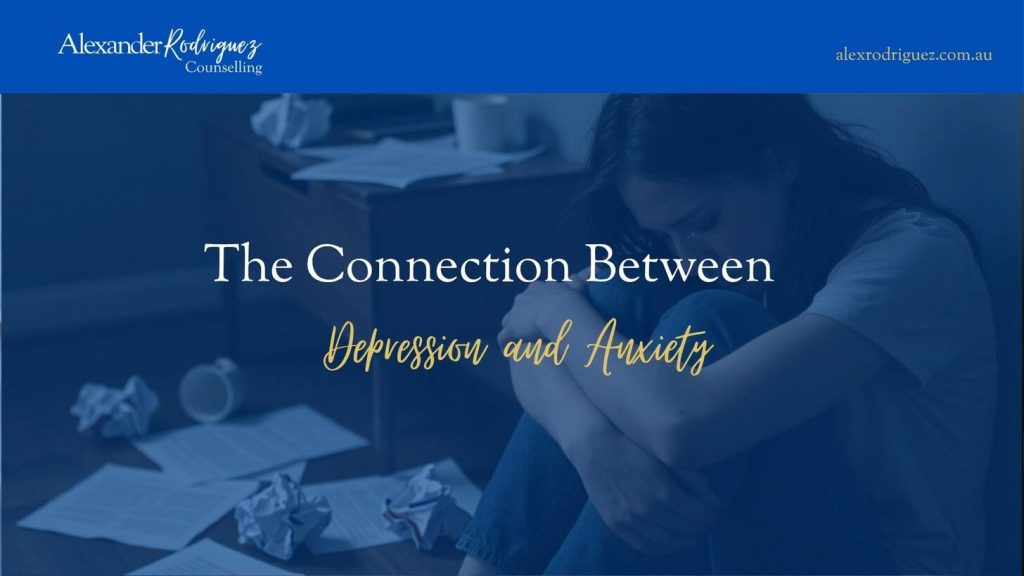
How co-occurring conditions impact your mental health
Having both conditions can deeply affect your daily life. Studies show that panic disorder often goes hand in hand with other health issues. This intersection makes your mental health journey more complex than dealing with one issue alone.
Your physical health may also suffer as your emotional state changes. The mix of anxiety’s tension and depression’s lethargy can make you feel extremely tired. Remember, these symptoms are not a sign of personal failure. They are a complex health reality that needs professional help.
Why addressing both is vital for recovery
At Alex Rodriguez Counselling, we believe treating both conditions together is key for long-term stability. Our Depression and Anxiety Therapy aims to help you deal with these feelings. By focusing on both, we help you build a stronger, more resilient future.
Whether you need Depression Counselling or Anxiety Counselling, our approach ensures no part of your experience is ignored. Treating both sides of the coin leads to a more complete recovery. The table below shows how these conditions interact and why treating both is effective.
| Condition Aspect | Anxiety Impact | Depression Impact | Combined Effect |
|---|---|---|---|
| Primary Focus | Future-oriented worry | Past-oriented regret | Constant mental fatigue |
| Physical State | High arousal/tension | Low energy/lethargy | Unpredictable exhaustion |
| Treatment Goal | Regaining calm | Restoring motivation | Balanced wellbeing |
Choosing to address your depression & anxiety through professional support is a brave step. You don’t have to face this alone. We are here to guide you towards a better quality of life.
Evidence-Based Approaches to Panic Attack Treatment
Effective panic attack treatment usually combines practical, evidence-based strategies with personalised support, rather than relying on a single fix. Approaches such as cognitive behavioural techniques, breathing and grounding exercises, and gradual exposure to feared situations are widely used to help people understand their triggers and respond to panic with more confidence. These strategies are designed to help you feel more equipped to manage difficult moments, rather than avoid them altogether. Reaching out for support can feel like a big step, but it is often the starting point for meaningful change.
If you have been asking yourself how to stop panic anxiety attacks, working with a counsellor or allied health professional can help you build a toolkit that suits your own experience. This may include practical coping strategies for the moment an attack begins, alongside longer-term support for the Depression & Anxiety that often sits underneath it. Everyone’s path looks a little different, which is why personalised support, rather than a one-size-fits-all approach, tends to make the most difference over time.
How CBT for anxiety and depression helps
Cognitive Behavioural Therapy, or CBT, is seen as the gold standard for these challenges. It helps you spot and challenge negative thoughts that fuel your distress. By changing these thoughts, you can handle physical sensations more calmly.
This method is especially good for those dealing with depression & anxiety at the same time. It lets you see your thoughts without them controlling your actions. This is a key step towards healing and mental clarity.
Developing emotional regulation and coping support
Changing your thoughts is just the start. Building strong emotional regulation skills is crucial for lasting recovery. These skills help you stay calm even when panic starts.
With the right coping support, you can lessen your symptoms. Working with a professional means you get a plan that fits you. This approach tackles the deep causes of depression & anxiety with patience and the right guidance.
By learning these strategies, you gain the power to move forward. You can live a life that’s balanced, stable, and truly yours.
Practical Strategies for Managing Panic in the Moment
How to stop panic anxiety attacks once they have already started is one of the most common questions people ask, and the good news is that there are practical steps that can help. If it feels safe to do so, try to stay where you are rather than rushing away, since this can help your body learn that the situation is not actually dangerous. Slow, steady breathing, such as breathing in for four counts and out for six, can help calm your nervous system. Grounding techniques, like naming five things you can see, four things you can hear, and three things you can feel, can also help bring your focus back to the present moment rather than the fear itself.
These strategies will not make panic attack symptoms disappear instantly, but with practice, they can help you feel less overwhelmed and more in control while an episode passes. Reminding yourself that panic attacks, while distressing, are not dangerous and will ease with time can also make a real difference in the moment. If panic attacks are happening often, or these strategies feel hard to manage alone, working with a counsellor can help you build a more personalised set of tools that suit your own experience.
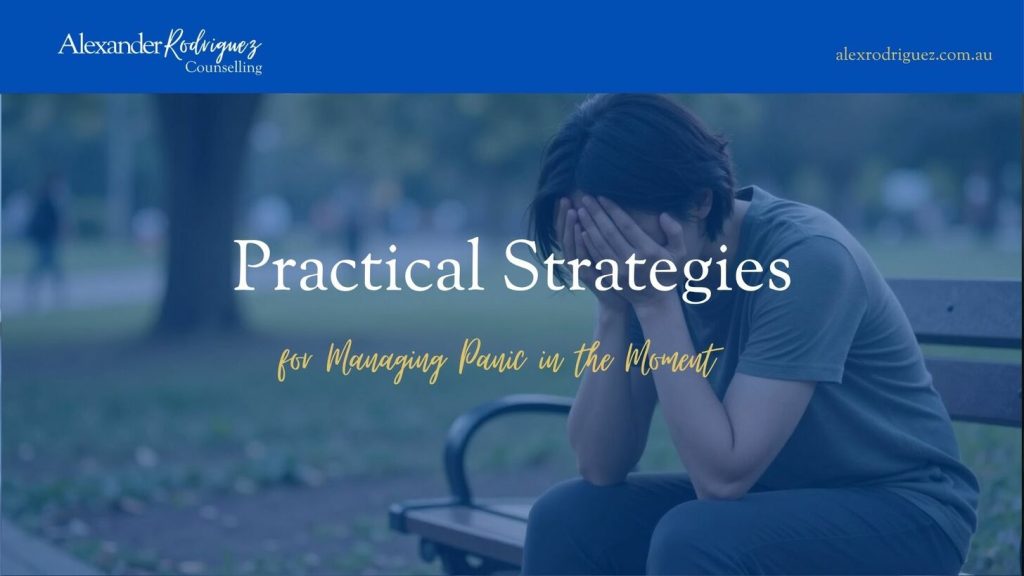
Grounding techniques to regain control
Grounding is a powerful way to focus on the present instead of fear. It uses your senses to tell your brain you’re safe. Try the 5-4-3-2-1 method to quickly anchor yourself.
- Acknowledge 5 things you can see around you.
- Identify 4 things you can touch, like the fabric of your chair.
- Notice 3 sounds you can hear, such as distant traffic or birds.
- Name 2 things you can smell or like the scent of.
- Identify 1 thing you can taste or a positive thought about yourself.
Breathing exercises for immediate relief
During panic attacks, your breathing gets shallow and fast. Controlling your breath can calm your nervous system. Try slow, deep belly breaths to steady your heart rate.
Box breathing—inhaling for four, holding for four, exhaling for four, and holding for four—can offer immediate relief. Remember, practice these techniques even when calm. This way, they’ll be ready for you when you need them most.
| Technique | Primary Benefit | Best Used For |
|---|---|---|
| 5-4-3-2-1 Grounding | Mental distraction | Racing thoughts |
| Box Breathing | Physiological calm | Rapid heart rate |
| Muscle Relaxation | Physical tension | Body tightness |
Navigating Life Transitions and Inner Conflict
Big life changes, such as starting a new job, moving house, ending a relationship, or losing someone close to you, can bring up a mix of emotions that feel hard to sit with. Even changes you have chosen, or ones that seem positive from the outside, can stir up uncertainty and inner conflict. This kind of prolonged stress is often one of the lesser-known answers to what triggers panic attacks, since your body can respond to emotional upheaval in much the same way it responds to physical danger. During these periods, you may notice panic attack symptoms appearing more often, even in situations that would not normally worry you.
It is common to feel like you should be coping better, especially if others expect you to have adjusted by now. Recognising that life transitions can genuinely affect your nervous system, not just your mood, can help take some of the pressure off yourself. Speaking with a counsellor or life coach during these periods of change can give you a steady space to process what you are feeling, understand how it may be connecting to your anxiety or panic attacks, and find your footing again.
How can major life changes spark panic?
Big events can shake your sense of safety and routine. Studies show that traumatic or very stressful life experiences can lead to panic disorder. During big changes, your body stays on high alert.
This alertness can make your body think normal feelings are threats. Your mind might struggle to handle these changes. This can lead to common triggers like:
- The loss of a familiar support system or social network.
- Increased pressure to perform in a new professional environment.
- The emotional weight of grieving a past version of your life.
- Uncertainty regarding your future goals and personal identity.
Finding balance during periods of uncertainty
Finding balance is crucial when you’re unsure of what’s next. When you’re caught between who you were and who you’re becoming, it’s easy to forget your own needs. Our Support for Life Transitions and Inner Conflict service helps you deal with these changes healthily.
With professional help, you can grow stronger and clearer. Therapy offers a safe space to face your inner conflict without fear of judgment. You don’t have to face these challenges alone. Professional support can help you find your footing and build a solid future.
The Benefits of Professional Counselling
Reaching out for Counselling can be a meaningful step when anxiety, panic attacks, or difficult emotions start to get in the way of your daily life. A counsellor can offer a safe and supportive space to talk through what you are experiencing without judgement, helping you understand the patterns behind your panic attack symptoms and the situations that tend to trigger them. Rather than simply managing symptoms as they arise, counselling can help you work through the underlying stress, worry, or Depression & Anxiety that may be contributing to how you feel.
Over time, professional support can give you practical tools to handle tough emotions with more confidence, along with a clearer understanding of your own triggers and responses. Many people find that having a consistent, personalised space to check in and reflect makes a real difference, not just during difficult periods, but in building longer-term resilience. You do not need to wait until things feel unmanageable to reach out. Counselling can support you at any stage, whether you are looking for help with a specific issue or simply want more clarity and steadiness in everyday life.
Why seeking support is a sign of strength
Many think tackling panic alone shows strength. But recognising when you need help is really brave. By choosing professional help, you’re putting your well-being first.
There are many benefits to your mental health from this process:
- Gaining objective insights into your thoughts.
- Learning ways to manage physical symptoms.
- Finding a safe, non-judgmental space to share your experiences.
- Creating a lasting plan for emotional control.
What to expect from your first session
At Alex Rodriguez Counselling, we create a warm space where you’re truly heard. We aim to give you the best support, tailored to your needs and goals.
In your first session, we’ll understand your challenges and set recovery goals. If you’re ready to start, contact us today:
Phone: 0429 220 646
We’re excited to help you take back your life with counselling support. You don’t have to face these challenges alone.
Overcoming Stress and Burnout Through Therapy
Burnout is more than just feeling tired. It is a state of ongoing physical and emotional exhaustion that builds up when you are under sustained pressure for too long, whether from work, caregiving, or simply trying to keep up with everything on your plate. When your body stays on high alert for extended periods, it becomes harder for your nervous system to switch off, which can make you more prone to panic attacks and other panic attack symptoms, even in moments that would not normally feel stressful. Burnout and anxiety often reinforce each other, creating a cycle that can feel difficult to break without support.
Therapy can help you step back from this cycle and understand what your body and mind actually need to recover. A counsellor can work with you to identify the sources of chronic stress in your life, build healthier boundaries, and develop practical strategies to manage Depression & Anxiety alongside burnout. This is not about pushing through or simply managing better, but about giving yourself genuine space to recover. With the right support, it is possible to feel more balanced, rested, and in control again, rather than constantly running on empty.
Identifying the signs of chronic burnout
It’s crucial to spot burnout early for your health. You might feel exhausted all the time, even after sleeping. Or, you might start to feel disconnected from your work. These are early warning signals that your body is under too much stress.
Understanding these feelings is key to your mental health. Knowing the signs of a panic attack in burnout lets you act fast. By noticing these changes, you can take steps to protect yourself.
How professional guidance prevents future panic
Stress and Burnout Therapy gives you the tools to handle your work better. With counselling, you can find out why you’re stressed and set better limits. This helps you find balance in your life again.
Our method builds your resilience so you can face challenges without breaking down. With the right counselling support, you learn to control your emotions and stop future attacks. This is a strong way to keep your mind clear and peaceful for the long term.
Accessing Support via Online Therapy Sessions
If you have been wondering how to stop panic anxiety attacks when you are stuck at home, caring for family, or simply too far from a local clinic, online therapy can make support easier to access. Video- and phone-based counselling sessions allow you to speak with a qualified professional from wherever you feel most comfortable, without the added stress of travel or waiting rooms. This can be especially helpful during a difficult period, when getting out of the house may already feel like a challenge.
Online sessions offer the same personalised approach as in-person panic attack treatment, including understanding your triggers, building practical coping strategies, and working through the anxiety or stress behind your panic attack symptoms. For people across Sydney, Parramatta, and surrounding areas, online therapy also means you are not limited to what is available nearby, giving you more flexibility to find the right support at a time that suits you. Many people find that once they take this first step, ongoing support becomes a manageable and steady part of their routine, rather than another thing to fit in.
The convenience and effectiveness of remote care
Telehealth psychotherapy is as effective as face-to-face sessions. You get top-notch care from your own home, which can make you feel more at ease.
Not having to travel saves you time and reduces stress. This means you can focus on your mental health, even when life gets busy.
How to book your session with Alex Rodriguez Counselling
Starting your recovery journey is a big step. If you’re still wondering how to stop panic anxiety attacks, our team is here to help.
Booking your first session is easy. Just visit https://www.alexrodriguez.com.au/booking/. The process is quick and designed to get you the support you need fast.
Conclusion
Understanding what triggers panic attacks and recognising the signs of a panic attack are important steps towards feeling more settled in your daily life. Panic attacks can feel overwhelming, but with the right support, they do not have to control how you live. Effective panic attack treatment can give you practical tools to face difficult moments with more confidence, while also helping you understand the stress, Depression & Anxiety, or life changes that may be contributing to how you feel.
Reaching out for professional support is a meaningful step towards taking care of your mental health and building resilience for the future. Whether through Counselling, practical coping strategies, or a combination of both, personalised support can help you feel more in control of your emotions and better equipped to manage everyday stress over time. You do not have to work through this alone, and taking that first step can make a real difference.
Understanding your panic attacks starts with a conversation. Contact Alex Rodríguez to explore how personalised counselling and support may help you feel calmer and more confident day to day. Call 0429 220 646, email info@alexrodriguez.com.au, or book your consultation online.