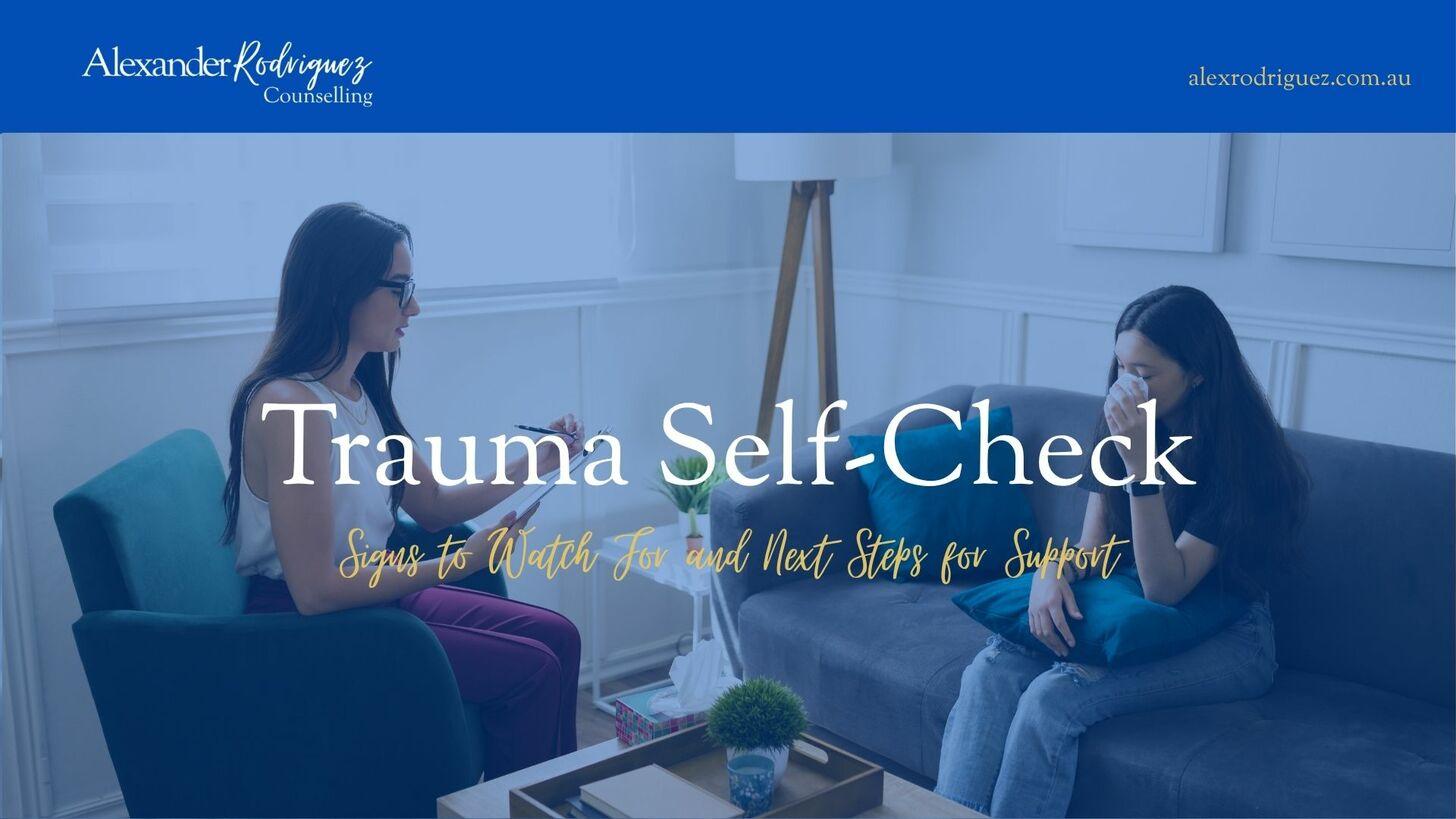
Trauma Self-Check: Signs to Watch For and Next Steps for Support
A trauma test is often the first step people take when they are trying to make sense of what they are feeling. According to the Australian Institute of Health and Welfare, an estimated 75% of Australian adults have experienced a traumatic event at some point in their life. This shows that struggling with difficult memories or emotions is far more common than many people realise, and you are not alone if you are noticing signs of trauma in yourself or someone you care about.
Whether it relates to something from childhood or a more recent experience, a childhood trauma test or general self-assessment for trauma can give you a clearer picture of what you might be dealing with. It will not replace a proper diagnosis, but it can help you decide whether it is time to seek extra support.
Trauma symptoms in adults can show up in different ways. Some people feel anxious or on edge, others feel numb or disconnected, and some notice changes in sleep, mood, or relationships. If these feelings sound familiar, trauma counselling may be worth exploring. Understanding how counselling works can make the idea of reaching out feel less overwhelming, since it is simply a safe, structured space to talk things through with someone trained to help. Finding the right therapist is an important part of this process, and getting the right mental health support early on can make a real difference. Counselling is not about fixing you, it is about helping you feel more supported as you work through what you have been carrying.
Understanding your results is just the first step. Book a consultation with Alex Rodrígue to talk through personalised support options. Call 0429 220 646, email info@alexrodriguez.com.au, or book online to get started.




Alexander Rodriguez
Seize the Day, Book an Appointment Today
Reach out anytime. Book online, call us, or visit our office in person.
Key Takeaways
- Recognizing the signs of emotional distress is the first step toward recovery.
- Seeking professional guidance is a sign of strength, not weakness.
- Self-assessment tools can help clarify when to reach out for help.
- Immediate crisis resources are available for those in urgent need.
- Prioritizing your mental well-being leads to long-term healing.
Understanding the Nature of Trauma
Trauma is a natural response to an overwhelming or distressing experience, not a sign of weakness or personal failure. It can happen after a single event, such as an accident or a frightening experience, or it can build up over time through repeated stress, difficult relationships, or unresolved childhood experiences. Because trauma affects everyone differently, it is helpful to view it as a normal reaction to a difficult experience, rather than something to feel ashamed of. This is why many people turn to a trauma test to help make sense of what they are feeling, rather than trying to work it out alone. Recognising signs of trauma early, whether they relate to something recent or something from many years ago, can make it easier to understand your emotional responses and take steps towards feeling more settled.
For some people, trauma is connected to childhood experiences that were never fully processed, which is why a childhood trauma test can be a helpful starting point. For others, the impact shows up later in life through trauma symptoms in adults, such as anxiety, irritability, low mood, or difficulty trusting others. A self-assessment for trauma will not give you a clinical diagnosis, but it can help you notice patterns and decide whether trauma counselling may be useful. Understanding how counselling works can also ease some of the uncertainty around seeking help, since it is simply a supportive, confidential space to talk things through at your own pace. Finding the right therapist and accessing appropriate mental health support early on can make a real difference in how you process and move forward from difficult experiences. Counselling is not about labelling what happened to you, it is about helping you feel supported as you work through it.
Defining Emotional and Psychological Trauma
Trauma is not merely the event itself, but the internal imprint left behind after a distressing experience. It occurs when an individual feels overwhelmed and unable to cope with a situation that threatens their sense of safety. This emotional injury can linger long after the initial danger has passed.
While the events that cause trauma vary, the psychological impact often manifests as a persistent sense of vulnerability. It is important to remember that every person processes these events differently based on their unique history and support systems. Healing is a personal journey that requires patience and self-compassion.
How Trauma Affects the Nervous System
At its core, trauma triggers the body’s ancient fight-or-flight mechanism. This survival system is designed to protect us from immediate physical danger by flooding the body with stress hormones. In many cases, the nervous system remains stuck in this high-alert state even when the threat is no longer present.
When the nervous system stays in this reactive mode, it can lead to chronic feelings of anxiety or exhaustion. Understanding this biological reaction is the first step toward regaining control over your mental state. By recognizing these physical signals, you can begin to calm your body and move toward a place of lasting recovery.
Common Signs and Symptoms of Trauma
Trauma does not always show up in obvious ways. It can quietly affect how you think, feel, and behave, often without you realising the connection straight away. Learning to recognise the signs of trauma in yourself or someone you care about is an important step towards understanding what you are going through and finding the right support. These signs can appear soon after a difficult experience, or they may develop gradually over time, which is why they are not always easy to notice at first.
Trauma symptoms in adults can show up emotionally, physically, and behaviourally. You might feel anxious, on edge, or easily startled, or notice ongoing tiredness and trouble sleeping. Some people experience low mood, emotional numbness, or difficulty concentrating, while others find themselves avoiding certain people, places, or situations that feel overwhelming. Irritability, a shorter temper than usual, or physical tension such as headaches and an upset stomach are also common. Everyone responds to trauma differently, so you might notice only a few of these signs, or several at once. If these experiences feel familiar and are affecting your day to day life, it may be a good time to explore support options.
Physical Manifestations of Unresolved Trauma
The body frequently acts as a vessel for our experiences, holding onto stress long after an event has passed. You might notice persistent physical ailments that seem to have no clear medical cause. Common physical indicators include frequent tension headaches, unexplained stomach pain, and recurring digestive issues.
Beyond these specific pains, many individuals report a racing heart or a constant state of chronic fatigue. These physical responses are the body’s way of signaling that it remains in a state of high alert. Recognizing these signs of trauma is essential for understanding how your nervous system is attempting to process past experiences.
Emotional and Behavioral Indicators
While the physical toll is significant, the emotional and behavioral shifts can be just as profound. You may find yourself feeling a sense of detachment from your surroundings or loved ones, as if you are watching your life from a distance. This emotional numbness is a common defense mechanism used to cope with overwhelming feelings.
Other frequent signs of trauma include heightened irritability and a persistent difficulty concentrating on everyday tasks. When your mind is preoccupied with managing internal stress, it becomes challenging to stay present at work or home. By acknowledging these emotional patterns, you can begin to seek the support necessary to process these experiences and move toward a healthier future.
Performing a Trauma Test to Assess Your Well-being
Taking a trauma test can be a helpful way to better understand what you have been feeling, especially if you have noticed persistent stress or emotional changes that are hard to explain. A self-assessment for trauma is not about labelling yourself or reaching a diagnosis, it is simply a tool to help you reflect on your experiences and notice patterns you may not have recognised on your own. This can be particularly useful if you suspect your feelings are connected to something from your past, which is why some people also explore a childhood trauma test to look more closely at earlier experiences that may still be affecting them today.
Once you have a clearer picture of what you are experiencing, it becomes easier to decide on the right next step. Some people find that their trauma symptoms in adults are mild and manageable with self-care and time, while others realise their experiences are more significant and would benefit from trauma counselling. A self-assessment is not a replacement for professional support, but it can give you the confidence and clarity to reach out when you are ready. Understanding where you stand is often the first step towards feeling more supported and less overwhelmed by what you have been carrying.
Why Self-Assessment is a Helpful Starting Point
Using a trauma test allows you to put words to feelings that may have felt abstract or confusing. By answering targeted questions, you gain a clearer picture of how your past experiences might be influencing your current reactions. This process is not about labeling yourself, but rather about gaining insight into your own emotional landscape.
Many individuals find that this initial step reduces the fear of the unknown. It transforms vague anxiety into specific areas of focus, which can make the prospect of seeking help feel much more manageable. When you understand your symptoms better, you are better equipped to communicate your needs to a support system or a mental health professional.
Limitations of Online Screenings
While digital tools are incredibly useful for reflection, they are not a substitute for a clinical diagnosis. An online self-assessment for trauma cannot account for the complexity of your unique life history or the nuances of your personality. These screenings are designed to flag potential concerns, not to provide a definitive medical conclusion.
It is important to remember that a trauma test is only one piece of a much larger puzzle. A qualified professional uses a comprehensive approach, including personal interviews and clinical observation, to ensure an accurate assessment. Relying solely on digital results can sometimes lead to misunderstandings about your mental health needs.
| Feature | Online Screening | Professional Evaluation |
|---|---|---|
| Primary Goal | Self-reflection | Clinical diagnosis |
| Depth of Analysis | Surface-level patterns | Comprehensive history |
| Personalization | Generic questions | Tailored to individual |
| Outcome | General awareness | Actionable treatment plan |
Recognizing Childhood Trauma Symptoms in Adults
Experiences from childhood do not simply disappear as You grow older. Even if you do not consciously think about certain events, they can still shape how you respond to stress, relationships, and everyday challenges as an adult. This is why many people find it useful to take a childhood trauma test, as it can help connect the dots between past experiences and present day feelings. Recognising these signs of trauma is not about placing blame on your past, it is about understanding yourself a little better so you can move forward with more clarity.
Trauma symptoms in adults linked to childhood can show up in different ways, such as difficulty trusting others, feeling anxious in close relationships, or reacting strongly to situations that seem to echo old experiences. A self-assessment for trauma can be a helpful starting point to notice these patterns, but if they are affecting your daily life or relationships, it may be worth exploring trauma counselling. Working through childhood experiences with the right support can help you feel more settled and in control of how you respond to the present, rather than being shaped by the past.
Identifying Patterns from Early Life
Adverse childhood experiences, or ACEs, are significant events that shape how we regulate our emotions later in life. Many people do not realize that their current signs of trauma are actually survival mechanisms developed during youth. When a child faces instability or neglect, they learn to adapt in ways that may no longer serve them as adults.
Taking a childhood trauma test can be a helpful way to identify these deep-seated patterns. By looking back with a compassionate lens, you can begin to understand why you react to specific triggers today. This process is not about blame, but about gaining the clarity needed to break cycles of chronic stress.
The Impact of Childhood Experiences on Adult Relationships
Early experiences often dictate how we perceive ourselves and how we connect with others. If you grew up in an environment where safety was inconsistent, you might struggle with trust or intimacy in your adult life. These trauma symptoms in adults frequently manifest as:
- Difficulty setting healthy boundaries with partners.
- A persistent fear of abandonment or rejection.
- Negative self-perception that hinders personal growth.
Healing from these early wounds is entirely possible with the right support system. By utilizing a childhood trauma test as a tool for self-reflection, you can start to rewrite your narrative. You deserve to build relationships that are rooted in security rather than the echoes of your past.
The Connection Between Trauma and Mental Health
Unresolved trauma can often sit quietly in the background of your daily life, influencing your mood, thoughts, and behaviour without you fully realising it. When someone has experienced significant distress in the past, it can contribute to ongoing trauma symptoms in adults such as anxiety, low mood, or difficulty managing stress. Over time, these patterns can affect not only how you feel, but also how you relate to others and cope with everyday challenges. Recognising the signs of trauma as part of this bigger picture is an important step towards understanding your mental health more clearly.
Trauma and mental health are closely connected, but experiencing trauma does not automatically mean you will develop a mental health condition. For some people, a self-assessment for trauma can help highlight whether their current struggles may be linked to past experiences. When these connections are recognised early, it becomes easier to seek the right kind of help, whether that is trauma counselling or broader mental health support. Understanding this link is not about diagnosing yourself, it is about giving yourself permission to explore support that may help you feel more balanced and in control.
Trauma as a Root for Anxiety and Depression
Past adversity and unresolved trauma can sometimes contribute to ongoing struggles with anxiety and depression. For some people, difficult emotions in the present are closely linked to experiences they have not yet had the chance to fully process. This connection is not always obvious, which is why understanding your own history can be an important part of making sense of how you feel today.
Working through these experiences with the right anxiety and depression support can help you begin to separate past events from present day reactions. This process takes time, but professional support can offer practical strategies to help you manage trauma symptoms in adults and work through anxiety or low mood in a safe and supportive environment. Recognising this connection is not about assigning blame to the past, it is about giving yourself the tools to feel more structured moving forward.
Breaking the Cycle of Chronic Stress
Living in a state of constant alertness is exhausting and can prevent you from feeling truly present. When you address the root causes of your stress, you gain the power to break the cycle of feeling hopeless or overwhelmed. It is important to remember that healing is a gradual process that requires both patience and professional guidance.
You do not have to carry the weight of your experiences alone. With the right support, you can learn to manage trauma symptoms in adults and build a more stable future. Taking the time to focus on your mental well-being is a courageous act that paves the way for lasting change.
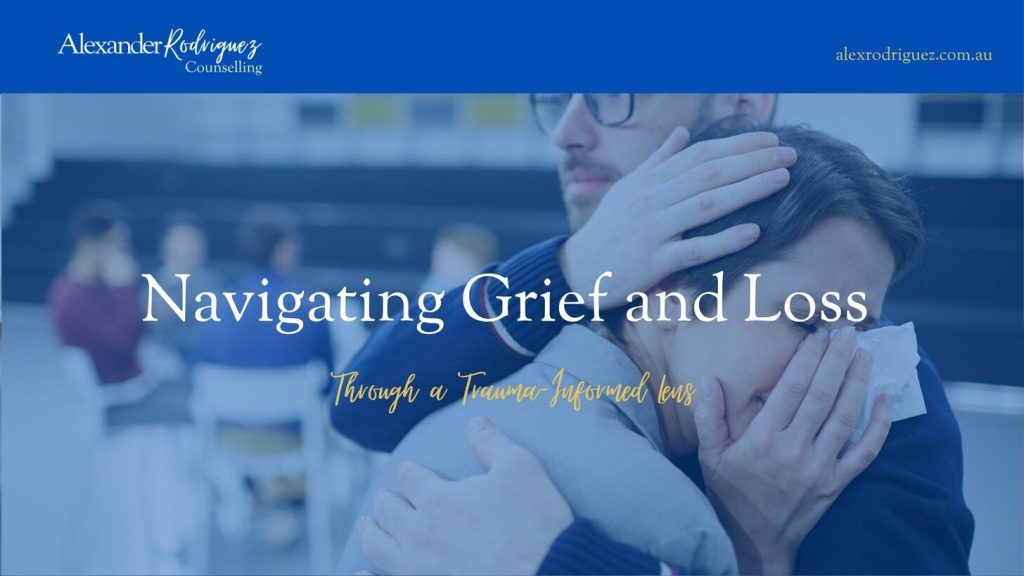
Navigating Grief and Loss Through a Trauma-Informed Lens
You do not have to go through the pain of loss alone. If you find that your daily life is being significantly affected, or your emotional pain feels difficult to manage, it may be a good time to reach out for grief and loss support. Bereavement affects everyone differently, and there is no fixed timeline for how long grief should take.
A compassionate, professional space can help you process the emotions underneath your loss, including any signs of trauma that may be connected to it. Seeking support during this time is not a sign of weakness, it is a way of giving yourself permission to grieve while also caring for your own wellbeing. With the right support, it becomes possible to slowly work through these feelings and begin to feel more settled again.
Distinguishing Between Normal Grief and Traumatic Grief
It is important to recognize that grief manifests in many ways. Normal grief typically involves waves of sadness, longing, and moments of reflection. However, traumatic grief often feels different, as it can be triggered by sudden or violent loss.
This type of grief frequently involves intense feelings of anger, overwhelming guilt, and a persistent sense that the world is no longer safe. When these feelings become stuck, they can prevent the natural healing process from moving forward. Recognizing these signs is the first step toward finding relief.
When to Seek Professional Support for Bereavement
You do not have to go through the pain of loss on your own. If you find that grief is affecting your daily life, or your emotional pain feels difficult to manage, it may be a good time to reach out for grief and loss support. Bereavement is a deeply personal experience, and there is no set timeline for how long it should take to process.
A compassionate, supportive space can help you work through the emotions connected to your loss, including any signs of trauma that may sit underneath it. Seeking professional support during this time is not a sign of weakness, it is a way of caring for your own wellbeing while you grieve. With the right support, many people find they are able to slowly work through these feelings and move towards a greatersense of stability.
How Professional Counselling Facilitates Healing
Carrying the weight of past events on your own can feel exhausting, which is why many people turn to trauma counselling for support. Professional counselling offers a structured way to work through difficult memories, so they feel less overwhelming and more like a part of your history you can manage, rather than something that controls your day to day life. Understanding how counselling works can help ease some of the uncertainty around getting started, since it is simply a supportive space to talk things through with someone trained to listen without judgement.
A trained counsellor creates a safe and steady environment where you can explore your experiences at your own pace, without the fear of feeling overwhelmed by the process itself. This kind of support is important for anyone looking to feel more in control of their emotions and daily life. Finding the right therapist can make a real difference here, as feeling comfortable and understood is often what allows healing to happen. With the right mental health support, many people find they are able to process past experiences and move forward with a greater sense of stability and self trust..
The Role of a Therapist in Processing Trauma
At the heart of recovery is the therapeutic relationship. A skilled therapist acts as a steady guide, helping you navigate the complex landscape of your emotions. They provide a non-judgmental space where you can safely unpack difficult memories.
Understanding how counselling works involves recognizing that the therapist does not just listen; they actively facilitate the integration of fragmented memories. This allows the brain to store these events as past history rather than current threats. As the saying goes:
Evidence-Based Approaches Used in Trauma Counselling
Effective trauma counselling often draws on evidence-based approaches that are tailored to each person’s individual needs. Rather than using a one size fits all method, a good counselling process takes the time to understand your specific experiences, goals, and comfort levels before deciding on the right approach.
Working with an experienced counsellor means having access to structured, practical strategies that are designed to support real progress, not just surface level relief. Trauma counselling should feel collaborative, giving you an active role in your own healing process. This kind of personalised, evidence-informed support can help you move forward with more clarity and confidence over time.
The following table outlines the core benefits of our evidence-based strategies:
| Approach | Primary Benefit | Outcome |
|---|---|---|
| Cognitive Processing | Reframing thoughts | Reduced anxiety |
| Somatic Awareness | Body-mind connection | Emotional regulation |
| Narrative Therapy | Story integration | Increased agency |
By integrating these techniques, we help you break free from the cycle of chronic stress. Learning how counselling works in a practical, evidence-based setting ensures that your progress is both measurable and sustainable. We are committed to supporting your journey toward lasting peace and personal growth.
Relationship Counselling as a Tool for Trauma Recovery
Trauma does not only affect the person who experienced it, it can also shape the way they connect with a partner. Past experiences can sometimes create distance, difficulty trusting, or challenges with intimacy, even when both people care deeply for each other. Recognising these signs of trauma within a relationship is an important step, as it helps both partners understand that these struggles are not a reflection of the relationship’s strength, but a natural response to what one or both people have been through.
Relationship counselling offers a supportive space for couples to work through these challenges together, rather than feeling like they are navigating them alone. A counsellor can help partners understand how trauma symptoms in adults may be showing up in the relationship, and guide open, honest conversations that might otherwise feel too difficult to have alone. This process is not about assigning blame, it is about rebuilding trust and connection at a pace that feels safe for both people. With the right mental health support, many couples find that facing trauma together can actually strengthen their relationship over time.
Healing Attachment Wounds with a Partner
Trauma can sometimes make emotional or physical closeness with a partner feel difficult, even in a loving relationship. These patterns are often connected to earlier attachment experiences that can resurface during moments of vulnerability, showing up as some of the signs of trauma partners may notice within the relationship. Recognising this connection can help partners understand that these difficulties are not a personal failing, but a natural response shaped by past experiences.
Couples counselling can offer a safe space to explore these patterns together, without judgement. By understanding where certain reactions come from, partners can begin to communicate more openly and respond to each other with greater patience and understanding. With the right mental health support, moments of tension can gradually become opportunities for connection and mutual understanding.
Building Secure Connections After Past Hurt
Building a resilient connection requires patience and a willingness to be vulnerable. When both partners commit to the healing process, they can replace old fears with new, secure habits. This shared journey often strengthens the bond, allowing the relationship to flourish despite past difficulties.
The following table outlines how professional counselling helps shift relationship dynamics from a state of trauma-induced stress to one of secure attachment.
| Feature | Trauma-Impacted State | Post-Healing State |
|---|---|---|
| Communication | Defensive or avoidant | Open and empathetic |
| Trust | Fragile and guarded | Consistent and secure |
| Intimacy | Physical/emotional distance | Deepened connection |
| Conflict | Escalating triggers | Collaborative problem-solving |
Career Counselling and the Impact of Workplace Trauma
Work is meant to be a source of stability and growth, but for some people, it becomes a place of ongoing stress, conflict, or even significant psychological strain. A hostile or overwhelming workplace can leave a lasting impact, and the effects often do not disappear once you leave the office. Over time, this can contribute to signs of trauma, such as anxiety, exhaustion, or a constant sense of unease that follows you into other areas of your life.
Career counselling can help you untangle these experiences and understand how they may be affecting your confidence, relationships, and overall wellbeing. Left unaddressed, workplace related stress can sometimes present as trauma symptoms in adults, including difficulty concentrating, low motivation, or a strong urge to avoid situations that feel similar to what you went through. Speaking with someone who offers mental health support can help you process these experiences safely and rebuild a stronger sense of self at work and beyond. Seeking support is not about dwelling on the past, it is about giving yourself the tools to move forward with more clarity and confidence.

Identifying Burnout and Toxic Work Environments
Workplace trauma often manifests as chronic burnout, where you feel physically and emotionally drained by your daily tasks. You might notice a persistent sense of dread before starting your shift or a feeling of being trapped in a cycle of negativity. These are not just signs of a bad week; they are indicators that your environment may be harmful to your mental health.
Toxic work cultures often involve poor communication, lack of boundaries, or unfair treatment that erodes your confidence. Through targeted counselling, we help you identify these patterns so you can distinguish between temporary stress and systemic issues. Recognizing the root cause is essential for protecting your long-term well-being.
Finding Professional Fulfillment After Difficult Experiences
Healing from a difficult work experience often involves more than simply leaving a job, it can also mean rebuilding your confidence and sense of professional identity. Difficult workplace experiences can leave lasting effects, including some of the signs of trauma that show up in how you approach new roles or workplace relationships. Counselling can help you work through these experiences and understand how they may still be influencing your confidence today.
Career counselling can support you in setting healthier boundaries and recognising the kind of work environment that feels right for you. With the right mental health support, it becomes possible to move forward with more clarity, even after a challenging professional experience. Rebuilding this sense of confidence takes time, but many people find that professional support can help them feel more settled and secure in their career moving forward.
Finding the Right Therapist for Your Needs
Finding the right therapist is an important part of your wellness journey, and it is worth taking the time to get it right. Everyone’s needs are different, so it helps to think about what you are hoping to work through, whether that is processing past experiences, managing trauma symptoms in adults, or simply having a safe space to talk. Feeling comfortable with your therapist matters just as much as their experience, since trust is often what allows real progress to happen.
Taking an active role in this process can help you feel more confident from the very first session. You might consider whether you would prefer trauma counselling, general mental health support, or a more specific service such as relationship or grief counselling. It is also completely normal to have an initial conversation before committing, so you can ask questions and get a sense of whether it feels like the right fit. Choosing support that feels right for you is not about finding a perfect match straight away, it is about starting somewhere and adjusting as you go.
Questions to Ask During Your First Session
When you meet a potential provider, remember that you are interviewing them just as much as they are assessing your needs. Asking clear, direct questions can help you determine if their approach aligns with your personal values and healing objectives.
Consider asking the following during your initial consultation:
- What is your experience in treating my specific concerns?
- How do you measure progress throughout our sessions?
- What evidence-based techniques do you primarily utilize?
- How do you handle feedback if I feel a session is not meeting my needs?
The Importance of the Therapeutic Alliance
The connection you build with your counselor is often called the therapeutic alliance. Research consistently shows that this relationship is a primary predictor of successful treatment outcomes. When you feel safe, heard, and respected, you are much more likely to achieve meaningful growth.
Prioritizing this connection is essential when finding the right therapist for your long-term recovery. If you do not feel a sense of trust or rapport, it is perfectly acceptable to explore other options. Your healing is a collaborative process, and finding a professional who truly resonates with your personality is the foundation of effective therapy.
Taking the First Step with Alex Rodriguez Counselling
Reaching out can feel like a big step, especially if you have been carrying things on your own for a while. Whether you have completed a trauma test or simply noticed some signs of trauma, support is available. Alex Rodriguez Counselling offers a safe, supportive space to talk things through at your own pace.
You do not need to have everything figured out first. With the right mental health support, you can start working through trauma symptoms in adults and move forward with more confidence.
How to Book Your Initial Consultation
We have streamlined our scheduling process to ensure that getting help is as stress-free as possible. You can easily visit our website at https://www.alexrodriguez.com.au/counsellor-booking/ to select a time that works best for your schedule. Our online system allows you to view available slots and secure your appointment in just a few clicks.
Contacting the Team for Personalized Support
If you prefer to speak with someone directly, our friendly team is ready to assist you. You can reach out to us by calling 0429 220 646 to discuss your specific needs or to ask any questions about our trauma counselling services.
We understand that every individual has unique requirements when it comes to their recovery. The following table outlines the various ways you can connect with our professional team to start your healing journey today.
| Contact Method | Best For | Response Time |
|---|---|---|
| Online Booking | Immediate Scheduling | Instant Confirmation |
| Phone Call | Urgent Inquiries | Real-time Support |
| Detailed Questions | Within 24 Hours |
Choosing to prioritize your mental health is a powerful act of self-care. We are committed to providing a safe, non-judgmental environment where you can explore your experiences and build a more balanced life. Reach out today and let us help you find the clarity and peace you deserve.
Conclusion
Healing from past experiences takes time, and it is normal for this process to feel gradual. Recognising the signs of trauma in yourself is an important and often courageous step towards understanding what you have been through. You do not have to work through this alone.
Professional support can help you process difficult experiences with clarity, at a pace that feels manageable for you. Whether you have taken a trauma test or noticed trauma symptoms in adults, reaching out for the right support can be a meaningful step towards feeling more settled and in control of your wellbeing.
Understanding your results is just the first step. Book a consultation with Alex Rodrígue to talk through personalised support options. Call 0429 220 646, email info@alexrodriguez.com.au, or book online to get started.