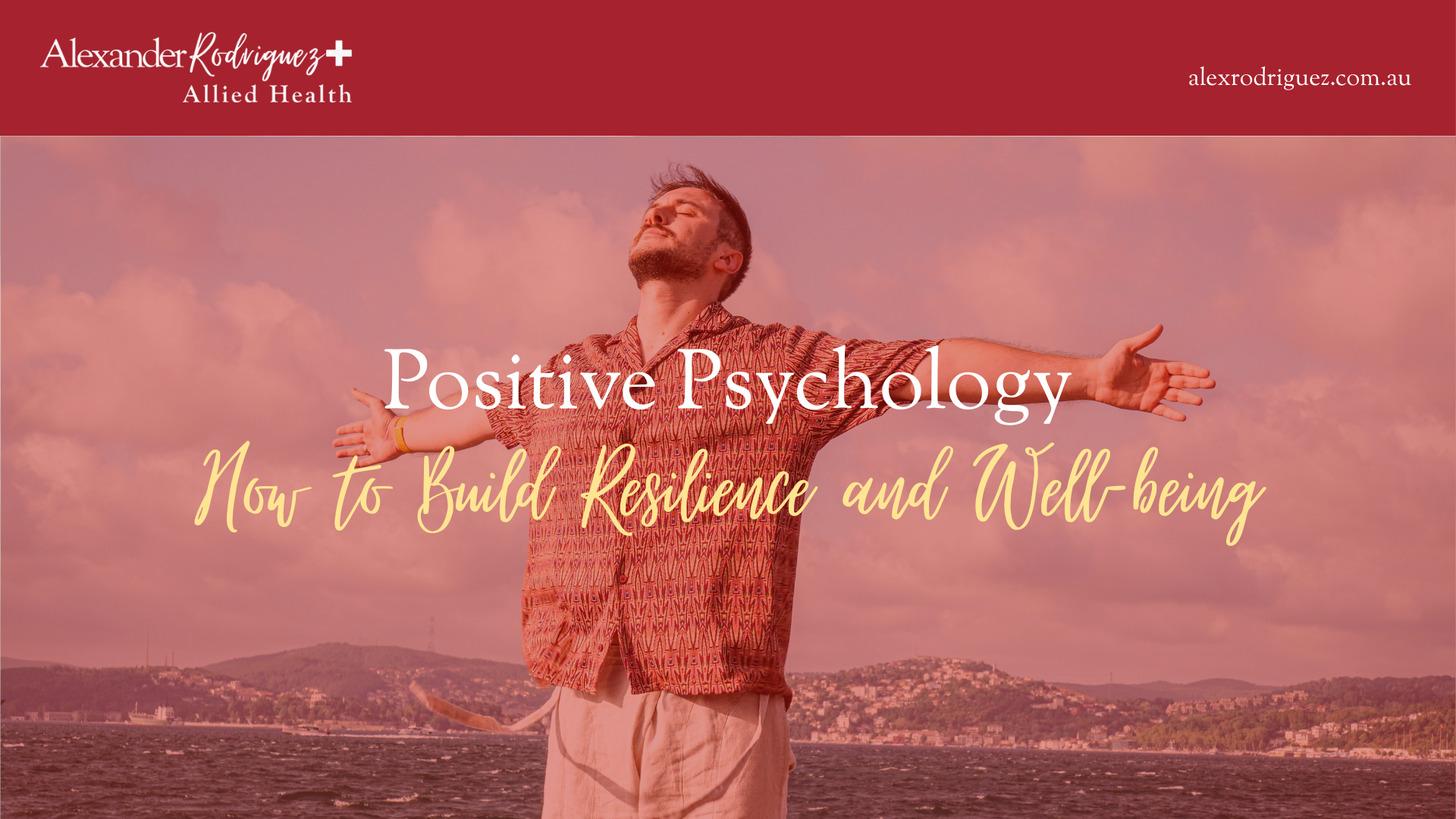
Positive Psychology: How to Build Resilience and Well-being
Psychology techniques can help us feel steadier, cope better under pressure, and bounce back when life does not go according to plan. In Australia, this matters because mental health challenges are common, and they affect people in every state and territory. The Australian Bureau of Statistics reports that one in five Australians (21.5% or 4.2 million people) aged 16 to 85 experienced a 12-month mental disorder, which shows why learning practical coping skills is not just “nice to have”, it is a real part of protecting your day-to-day wellbeing.
When stress builds up, it can impact sleep, focus, patience, and relationships, even if you are still showing up and doing what needs to be done. That is why psychological support can be useful, because it helps you turn good intentions into clear, repeatable habits that actually work in real life.
Psychology techniques work best when they are simple, realistic, and matched to what you are dealing with right now. For example, mindfulness can help you slow down racing thoughts, gratitude can help you notice what is still going well, and strengths-based routines can help you rebuild confidence after a setback. Over time, these well-being strategies support positive mental health by helping you handle strong emotions, reduce overwhelm, and respond with more control when things get hard. If you want more structured guidance, working with a psychologist can help you understand your stress triggers, practise coping tools step by step, and set goals that fit your life, not someone else’s.
Through Alexander Rodriguez’s Allied Health Services, you get practical tools you can use between sessions, so you are not left guessing what to do next. Call on 0429 220 646, email info@alexrodriguez.com.au, or visit us at Suite 15.01, Level 15, 60 Station St East, Parramatta NSW 2150 to take the first step. We know how vital a positive outlook is, and our services aim to help people see life in a brighter light.




Alexander Rodriguez
Seize the Day, Book an Appointment Today
Reach out anytime. Book online, call us, or visit our office in person.
Key Takeaways
- Psychology techniques build resilience through small, consistent habits that strengthen everyday coping.
- Positive psychology supports growth by focusing on strengths, meaning, and progress, not just problems.
- A growth mindset, mindfulness, and emotional regulation skills help us stay steady under pressure.
- Strong social connections, self-compassion, and self-care protect positive mental health and reduce burnout.
- A psychologist can personalise well-being strategies through psychology-based support to build long-term resilience.
The Science of Positive Psychology and Resilience
Positive psychology is the science of what helps you function well, not just what is going wrong. It focuses on building strengths, supportive habits, and healthy emotions that improve everyday life. This approach supports positive mental health by helping you notice what is working, build confidence, and develop skills that protect your mood during stressful times. When you understand how thoughts, feelings, and behaviours shape your choices, you can use practical tools to feel more steady, more hopeful, and more in control, even when life feels uncertain.
Resilience is not something you are born with; it is something you can practise and strengthen over time. Simple well-being strategies like gratitude, mindfulness, strengths-based goal-setting, and building social support can help you recover faster after setbacks and handle pressure with greater clarity. If you want more personalized guidance, a psychologist can help you identify your stress triggers, practise coping tools step by step, and turn these strategies into routines that fit your real life, so resilience becomes part of how you live, not just something you try during hard moments.
Origins and Core Principles of Positive Psychology
Positive psychology started in the late 1990s, thanks to psychologists like Martin Seligman. It aims to increase positive emotions, engagement, relationships, meaning, and achievement (PERMA). These elements help improve mental health and build resilience.
How Resilience Contributes to Mental Well-being
Resilience is key to dealing with life’s ups and downs. It helps people bounce back from tough times and keep their mental health strong. Building resilience helps manage stress and boosts overall well-being.
The Australian Context: Mental Health Challenges and Solutions
Australia faces big mental health issues, like high anxiety and depression rates. Positive psychology offers solutions by teaching well-being strategies and resilience training. These methods help Australians improve their mental health and build a stronger community.
Assessing Your Current Resilience Levels
Knowing your current resilience level helps you understand what is already working for you and what needs more support. If you are juggling work pressure, family responsibilities, money stress, or feeling worn down from “always having to push through”, it is easy to miss the early signs that you are running low. In Australia, many people keep going until they hit a breaking point, so taking a moment to check in with yourself can be a smart first step. You can look at how you respond when things go wrong. Do you bounce back within a day or two, or does it take weeks? Do you reach out, problem-solve, and reset, or do you shut down, overthink, and feel stuck?
A practical way to assess this is to reflect on your last few tough moments and ask: What helped you cope, what drained you, and what patterns keep showing up? For example, you might notice you manage stress better when you sleep well, keep a steady routine, or talk things through, but struggle when you are isolated, overwhelmed, or hard on yourself. In Psychology, resilience is not about being “tough” all the time; it is about learning skills that support recovery and steady coping. If you want a clearer plan, a psychologist can help you map your strengths, identify stress triggers, and choose well-being strategies that build positive mental health in a way that fits your real life.
Self-Assessment Tools and Questionnaires
Self-assessment tools and questionnaires offer great insights. They show how you handle stress and your overall well-being.
Identifying Your Resilience Strengths and Growth Areas
Assessing your resilience helps you find your strong points and areas to work on. This lets you focus on building resilience in the right ways.
| Resilience Aspect | Current Level | Desired Level |
|---|---|---|
| Emotional Regulation | 6/10 | 8/10 |
| Stress Management | 7/10 | 9/10 |
| Coping Strategies | 5/10 | 7/10 |
Talking to a psychologist can also help. They can guide you in making a plan to boost your resilience.
Setting Realistic Well-being Goals
Setting realistic goals is crucial for building resilience. Having a plan helps you track your progress and stay motivated.
Effective Psychology Techniques for Building Resilience
Resilience is more than just getting through hard times. It is about learning, adapting, and becoming stronger because of what you have faced. In Psychology, we know that resilience grows when you build steady habits that support your thoughts, emotions, and behaviour, especially under stress. Positive psychology focuses on strengths, hope, and meaning, so you can keep moving forward without feeling like you have to “just cope” on your own.
By using simple psychology techniques every day, you can improve how you respond to pressure, recover faster after setbacks, and feel more balanced over time. These practical well-being strategies can support positive mental health, even when life feels busy or uncertain. If you want a more personalized plan, a psychologist can help you choose the right tools for your situation and turn them into routines you can actually stick to.
Evidence-Based Approaches from Positive Psychology
Positive psychology has many ways to build resilience. One is gratitude, where you think about what you’re thankful for often. This helps you focus on the positive and feel more optimistic.
Cognitive Behavioural Techniques for Resilience
Cognitive Behavioural Therapy (CBT) is also very helpful. One key method is cognitive restructuring. It helps you change negative thoughts into more positive and realistic ones.
- Identify negative self-talk patterns.
- Challenge these thoughts by examining the evidence for and against them.
- Replace negative thoughts with more positive and realistic alternatives.
Adapting Techniques to Your Personal Circumstances
It’s important to make these techniques fit your life. For example, if stress is a big issue, try mindfulness and relaxation. If negative self-talk bothers you, cognitive restructuring might help more.
By making these methods fit your needs, you can create a plan that works for you. This way, you can build resilience in a way that suits your lifestyle and goals.
Developing a Growth Mindset for Greater Resilience
A growth mindset can make a real difference to your resilience because it changes how you respond when life gets hard. Instead of seeing challenges as proof you are not good enough, you start seeing them as something you can learn from and improve with time. This does not mean pretending things are easy. It means recognising that effort, practice, and support can help you build skills, even if you are struggling right now. These practical psychology techniques are a core part of positive psychology because they help you stay focused on progress rather than perfection.
A growth mindset supports stronger coping because it helps you stay flexible under pressure. You are more likely to try again, adjust your approach, and use helpful well-being strategies like reframing negative thoughts, setting small goals, and tracking wins over time. This steady approach also supports positive mental health, especially when stress is ongoing. If you want personalised support, a psychologist can help you build this mindset in a way that fits your life, using practical psychology tools you can apply day to day, so you feel more confident when challenges show up.
Understanding Fixed vs Growth Mindset
Carol Dweck introduced the idea of a growth mindset. It’s different from a fixed mindset, where people think their skills and smarts don’t change. Knowing the difference helps you face life’s hurdles with more resilience.
Practical Steps to Cultivate a Growth Mindset
To grow your mindset, start by taking on challenges. See failures as chances to learn and get better. Reflect on yourself, and ask for feedback to find areas to improve. These steps help you build resilience and improve your life.
Overcoming Limiting Beliefs and Negative Self-Talk
Beliefs that hold you back and negative self-talk can stop you from growing. To beat these, challenge negative thoughts by looking at them in a better way. Use affirmations to boost your self-confidence. Surround yourself with people who support your growth.
Mindfulness Practices for Emotional Regulation
Mindfulness is one of the most practical psychological techniques for emotional regulation because it helps you notice what you are feeling without getting swept away by it. Instead of reacting on autopilot, you learn to pause, name the emotion, and choose a calmer response. This can be especially helpful when stress is high, your thoughts are racing, or you feel overwhelmed. Over time, mindfulness supports positive mental health by lowering emotional intensity, improving focus, and helping you feel steadier in day-to-day life.
Mindfulness also builds resilience by teaching you how to ride out difficult moments without spiralling. Simple well-being strategies like slow breathing, body scans, mindful walking, or a short “stop and reset” check-in can help you settle your nervous system and return to what matters. If you want a more tailored approach, a psychologist can show you how to use mindfulness in a way that suits your day, your stress triggers, and what you are working towards, so it feels practical and easy to rely on when things get tough.
The Science Behind Mindfulness and Well-being
Mindfulness is about being fully present in the moment. Studies show it can change the brain, helping with emotional control.
Mindfulness and Brain Function: Mindfulness can change the brain, especially in areas that handle emotions.
Simple Mindfulness Exercises for Daily Life
Adding mindfulness to your daily routine is easy and beneficial. Here are a few exercises to try:
- Body Scan: Lie down or sit comfortably, focusing on each body part from toes to head.
- Mindful Breathing: Pay attention to your breath, noticing air going in and out of your nose.
| Mindfulness Exercise | Benefits | Duration |
|---|---|---|
| Body Scan | Reduces stress, improves relaxation | 10-15 minutes |
| Mindful Breathing | Enhances focus, calms the mind | 5-10 minutes |
Creating a Sustainable Mindfulness Practice
To keep mindfulness a regular part of your life, start small and stick to it. Begin with short sessions and increase them as you get more comfortable. of your life, start small and stick to it. Begin with short sessions and increase them as you get more comfortable.
Tips for a Sustainable Practice: Make mindfulness a habit by adding it to your daily routine, like right after waking up or before bed.
Building Emotional Intelligence to Navigate Challenges
Building emotional intelligence helps you handle stress, conflict, and pressure with more control. It is the skill of noticing what you feel, understanding why it is happening, and choosing a response that matches the situation. When emotional intelligence is strong, you are less likely to react in the heat of the moment and more likely to stay calm, communicate clearly, and make better decisions when things feel hard.
It also helps you grow stronger over time because you learn from challenges instead of getting stuck in them. You can build emotional intelligence by naming emotions early (before they boil over), spotting triggers, and practising simple well-being strategies like pausing, breathing, and reframing negative self-talk. These psychological techniques support positive mental health by improving self-awareness, self-control, and relationship skills, which makes everyday problems feel more manageable and less overwhelming.
Recognising and Managing Your Emotional Responses
Knowing how you feel is the first step to handling your emotions. By understanding your reactions, you can find ways to manage them. This helps you respond in a better way.
Developing Empathy and Social Awareness
Being empathetic and socially aware is important for good relationships and social skills. It means you can see things from others’ points of view. This way, you can support and connect with people better.
Using Emotional Intelligence During Difficult Times
When things get tough, emotional intelligence keeps you strong. It helps you keep your emotions in check and stay positive. This way, you can get through hard times more successfully.
| Emotional Intelligence Skill | Description | Benefit |
|---|---|---|
| Recognising Emotional Responses | Awareness of your emotional reactions | Better emotional regulation |
| Developing Empathy | Understanding others’ emotions and perspectives | Stronger, more supportive relationships |
| Managing Emotions | Regulating your emotional responses | Improved resilience and well-being |

Strengthening Social Connections and Support Networks
Building strong social connections can make tough times feel lighter because you are not carrying everything on your own. These relationships are a practical part of positive mental health because they give you a safe space to talk, reset, and feel understood when stress builds up. Strong support also helps you stay steady under pressure, as trusted people can offer perspective, emotional reassurance, and practical help when life feels messy. Alongside other well-being strategies, social support is one of the most reliable ways to strengthen resilience over time.
Support networks do not need to be big to be powerful. A few consistent people, like a close friend, partner, family member, colleague, or community group, can help you recover faster after setbacks and keep moving forward. You can strengthen these connections by checking in regularly, being clear about what you need, and showing up for others in small ways. A psychologist can help you turn everyday interactions into stronger support, using practical psychology techniques that make it easier to speak up, listen well, and protect your energy without guilt, so your relationships feel safer and more reliable when life gets hard.
The Role of Relationships in Building Resilience
Your relationships are crucial for your mental health and resilience. Positive connections help you deal with stress, boost your mood, and improve your life quality. Spend quality time with loved ones, listen well, and show gratitude to those around you.
Nurturing Healthy Connections in the Digital Age
Today, staying connected is easier than ever. But it’s important to balance online and offline interactions. Social media is great for keeping in touch, but face-to-face interactions are essential for deep connections. Try joining local clubs or groups that match your interests to grow your social circle.
Self-Compassion and Self-Care Strategies
Life’s challenges can be tough, and it is easy to become your own harshest critic when things feel heavy. Self-compassion means treating yourself with the same kindness, patience, and understanding you would offer a close friend. It does not mean making excuses or ignoring problems. It means recognising that struggle is part of being human, and you deserve support while you work through it. When you practise self-compassion, you are more likely to recover from setbacks, handle stress with less shame, and take the next step without feeling stuck in self-blame. This is one of the most practical psychology techniques for building resilience because it helps you feel safe inside your own mind, even when life is messy.
Self-care is the action side of that kindness. It is about doing small, steady things that protect your energy and support positive mental health. Helpful well-being strategies can include keeping a simple sleep routine, eating regular meals, moving your body, limiting doom-scrolling, taking short breaks, and saying no when you are stretched too thin. It can also mean checking in with your feelings, asking for help, or making time for the people and activities that help you feel grounded. When self-care is realistic and consistent, it becomes a safety net you can rely on during stressful periods, not something you only try when you are already burnt out.
Understanding the Three Elements of Self-Compassion
Self-compassion has three main parts: self-kindness, common humanity, and mindfulness. Being gentle with yourself is self-kindness. Knowing we all face struggles is common humanity. And being present without judgment is mindfulness.
Developing a Personalised Self-Care Plan
Creating a self-care plan that fits you can boost your well-being. Find activities that feed your mind, body, and spirit. This might be exercise, meditation, or enjoying nature. Make sure to include these in your daily life.
Overcoming Barriers to Self-Care
Barriers to self-care include a lack of time or feeling unworthy. Start with small steps. Remember, self-care is vital for your health and resilience. By focusing on self-care, you’ll face life’s challenges better and support others too.
Transforming Setbacks into Growth Opportunities
When life throws you a curveball, it is easy to get stuck in worst-case thinking and start believing the setback says something about you. But setbacks can also be useful feedback, showing you what matters, what needs to change, and what support you might need next. This is a core part of positive mental health, where challenges are not just something to “get through”, but something you can learn from. The goal is not to force a positive spin on everything. It is to build the skill of finding meaning, taking a lesson, and choosing a helpful next step, even when it is hard.
One of the most helpful well-being strategies is to shift the question from “Why is this happening to me?” to “What can this teach me, and what can I do now?” Simple psychology techniques like reframing unhelpful thoughts, focusing on what you can control, and breaking the problem into small actions can turn overwhelm into forward movement. Over time, this approach helps you trust yourself more, because you start seeing proof that you can adapt, recover, and grow, even when life does not go to plan.
Reframing Negative Experiences and Failures
Learning to reframe negative experiences is a key well-being strategy. By changing how you see failures, you can start to see them as valuable learning experiences. This change in mindset can make you more resilient.

Post-Traumatic Growth: Finding Meaning in Adversity
The idea of post-traumatic growth is that people can find meaning and purpose in tough times. It doesn’t mean they welcome the experience, but it can lead to personal growth. By focusing on the positive outcomes of tough situations, you can build a more resilient mindset.
Building Resilience Through Life’s Challenges
Building resilience is a continuous process. It involves developing coping strategies and learning from your experiences. It’s about understanding that setbacks are a natural part of life and that you can navigate them. By adopting a growth mindset and practicing self-compassion, you can bounce back from adversity and keep your well-being strong.
As you keep working towards resilience, remember that every challenge is an opportunity for growth. By embracing this mindset, you can turn setbacks into stepping stones for a more fulfilling life.
Maintaining Well-being Through Life Transitions
Life changes, like starting a new job, entering a new relationship, moving house, becoming a parent, or working on personal growth, often push us out of our comfort zone. Even positive change can feel stressful because it brings uncertainty, new routines, and higher expectations. When everything shifts at once, it is normal to feel unsettled, tired, or unsure of yourself. What helps most is remembering that adjustment takes time, and you do not need to have it all figured out straight away.
With the right support and steady habits, change can become a season of growth rather than overwhelm. Simple well-being strategies like keeping a basic routine, focusing on small daily wins, and staying connected to supportive people can protect your energy while you adjust. Practical psychology techniques like noticing unhelpful thoughts, reframing what you can, and taking action on what you can control can also help you feel more confident and grounded. Over time, this approach supports positive mental health by helping you adapt, learn from the experience, and move forward with more resilience.
Navigating Career Changes and Work Stress
Switching careers can be stressful. To handle it well, it’s key to build resilience. This means having a positive mindset and getting help from experts, like a psychologist. It’s also important to set goals, take care of yourself, and be open to new challenges.
Building Resilience During Relationship Changes
Changes in relationships, like starting a new one, getting divorced, or losing someone close, can be hard on our feelings. To stay strong, be kind to yourself, keep a strong support network, and focus on growing personally. Doing things that make you feel good, like mindfulness and exercise, can also help.
Adapting to Major Life Events with Resilience
Big life events, like moving or health changes, need us to be resilient to adjust well. To cope, break things down into smaller steps, ask for help from loved ones or experts, and take care of yourself. This way, you can keep your well-being and find chances to grow.
Professional Support: When and How to Seek Help
Getting professional help can be one of the strongest steps you take to protect your positive mental health. Life can get tough, and stress does not always fade on its own, especially when you are juggling work, family, relationships, or big changes. Reaching out is not a sign of weakness. It is a practical decision to get support, learn helpful coping skills, and stop problems from building up in the background.
It can be time to seek support if you notice things like ongoing low mood, constant worry, panic symptoms, poor sleep, irritability, feeling overwhelmed, or struggling to function at work, at home, or in relationships. You might also want help if you are stuck in negative thinking, using unhealthy coping habits, or feeling disconnected from people around you. The “how” can be simple: start by booking an appointment with a psychologist, explain what has been going on, and share what you want to improve. From there, you can learn practical psychology techniques and well-being strategies that fit your situation, so you feel more supported, more in control, and better equipped to handle what comes next.
Signs You Might Benefit from Professional Support
If you feel sad, anxious, or hopeless a lot, it’s time to seek help. You might also need help if daily tasks are hard, relationships are strained, or stress is too much. Spotting these signs early can help you improve your mental health.
- Feeling stuck or unable to cope with challenges
- Experiencing significant life changes or transitions
- Struggling with negative thought patterns or self-doubt
What to Expect from Allied Health Service
Allied health services provide practical tools and strategies to support better day-to-day wellbeing. They help you manage life’s challenges more effectively by building skills, improving coping habits, and supporting you to work towards clear goals that fit your needs.
Services Offered by Alex Rodriguez Allied Health Service
Alex Rodriguez Allied Health Service provides services tailored to your needs. They include:
- Allied Health Service assessments and personalised support planning
- Evidence-based approaches such as cognitive behavioural therapy (CBT) and acceptance and commitment therapy (ACT)
- Mindfulness-based support for stress management and emotional regulation
- Practical strategies to strengthen routines, sleep habits, and daily functioning
- Support for common concerns like stress, anxiety, low mood, grief, and relationship challenges
The Counselling Process at Our Parramatta Practice
At our Parramatta practice, you’ll find a supportive and non-judgmental space. The counselling process usually involves:
- Initial assessment to understand your needs
- Collaborative goal setting
- Regular sessions to work through challenges
Conclusion: Your Ongoing Journey to Resilience and Well-being
Building resilience is a journey that keeps growing with you. It takes commitment, practice, and the willingness to learn from real life, not just read about it. The good news is resilience is not about being “tough” all the time; it is about building skills that help you recover, reset, and move forward when stress, change, or setbacks show up. When you apply the right well-being strategies, you create a stronger base for day-to-day coping and long-term positive mental health. The psychology techniques covered in this guide work best when used together: a growth mindset to learn from setbacks, mindfulness for emotional regulation, emotional intelligence for clearer decisions and communication, stronger social connections for support, and self-compassion and self-care to protect your energy and keep you steady.
Through Alexander Rodriguez Allied Health Service, you can access structured psychology support that helps you understand your patterns, build practical coping skills, and stay consistent with the tools that make the biggest difference. If you are ready to take the next step, call 0429 220 646, email info@alexrodriguez.com.au, or visit us at Suite 15.01, Level 15, 60 Station St East, Parramatta NSW 2150. We know how vital a positive outlook is, and our services aim to help people see life in a brighter light.