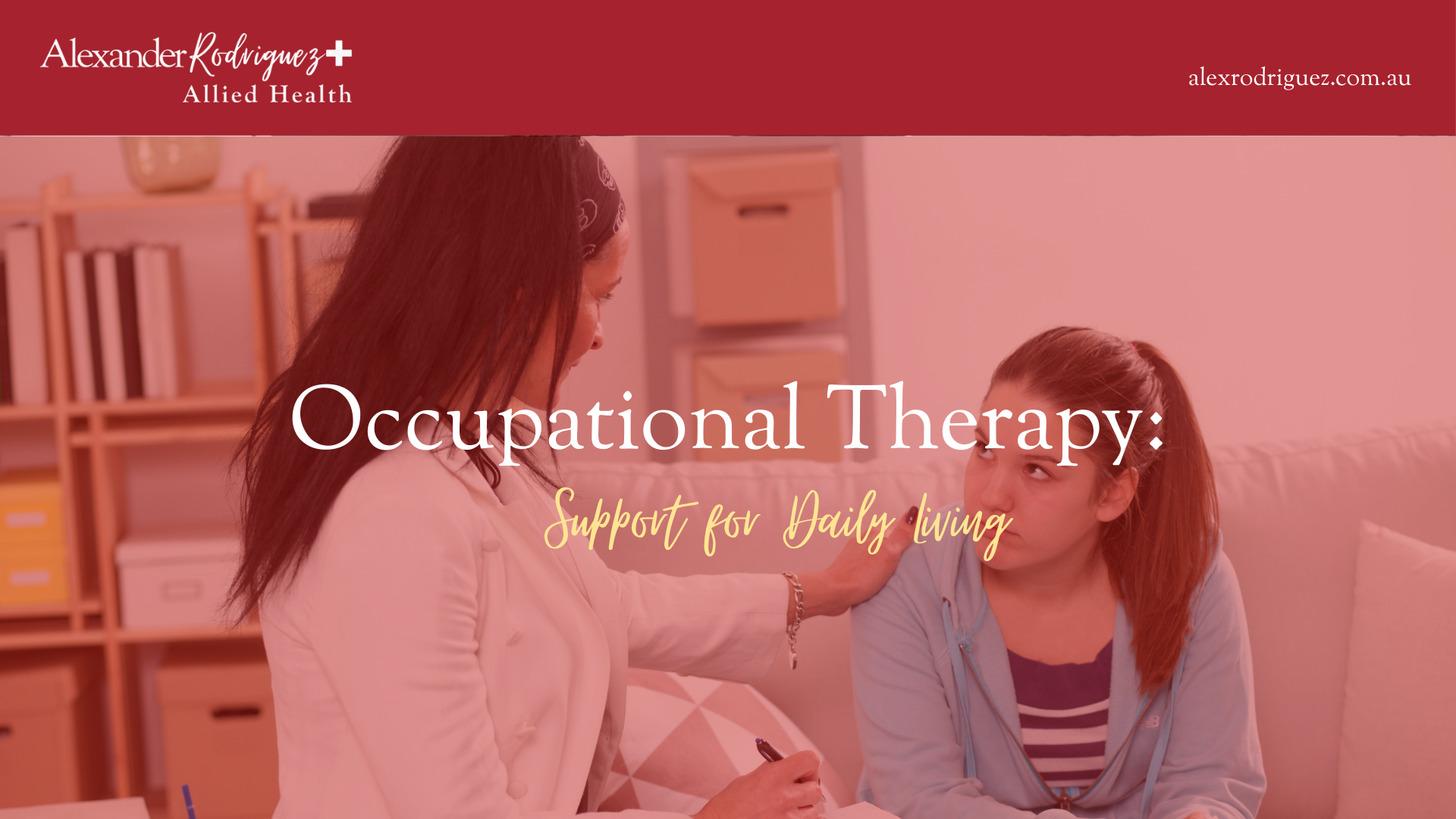
Occupational Therapy: Support for Daily Living
Occupational therapy plays an important role in helping you feel more capable, confident, and in control of everyday life, especially when simple tasks start to feel harder than they used to. In Australia, the need for this kind of support is significant. The Australian Institute of Health and Welfare reports that 3 in 5 people with disabilities living in households need help with at least one activity of daily living, with common areas including health care, property maintenance, cognitive or emotional tasks, household chores, transport, and self-care. This shows how closely daily independence is linked to the right support, practical strategies, and personalised care.
When you receive the right occupational therapy services, you can build improved daily living skills that make it easier to manage personal care, move around your home more safely, complete household routines, and take part in the community with greater confidence and less stress.
Occupational therapy is not just about managing current challenges. It is also about helping you create safer routines, improve function over time, and find practical ways to live more independently in a way that suits your goals. For many Australians, this may include support through NDIS occupational therapy, which can fund therapy supports delivered by qualified allied health professionals when they relate to a person’s disability needs. It may also include a functional capacity assessment, which helps identify how your condition affects your day-to-day life across areas such as mobility, communication, learning, and self-care, and what supports may be reasonable to help you function more independently. With the right guidance, you can develop skills, use tools more effectively, and make changes at home or in your routine that help daily life feel more manageable, more comfortable, and more rewarding.
If you are based near Parramatta, Occupational Therapy may be available through Alex Rodriguez Allied Health Service. Call on 0429 220 646, email info@alexrodriguez.com.au or visit us at Suite 15.01, Level 15, 60 Station St East, Parramatta NSW 2150 to take the first step. We know how vital a positive outlook is, and our services aim to help people see life in a brighter light.




Alexander Rodriguez
Seize the Day, Book an Appointment Today
Reach out anytime. Book online, call us, or visit our office in person.
Key Takeaways for Your Independence
- Occupational therapy helps you manage daily life more independently.
- It supports improved daily living skills, routines, and confidence.
- It can help with physical, sensory, and mental health challenges.
- NDIS occupational therapy and a functional capacity assessment can identify the right support for your needs.
What Occupational Therapy Services Can Do for You
Occupational therapy services can support you in many parts of everyday life. If daily tasks feel harder than they should, occupational therapy helps you find practical ways to manage them more safely and confidently. This can include support with getting dressed, preparing meals, moving around the home, keeping your space organised, and taking part in the activities that matter to you. The goal is to help you improve your routine and feel more independent in your day-to-day life.
With the right support, you can build new skills or regain abilities that may have become harder over time. Occupational therapy services focus on your personal goals and the challenges you face in your home or community. This may involve learning easier ways to complete tasks, using helpful equipment, or making changes that improve comfort and safety. Over time, this support can help you feel more capable, more confident, and better able to live independently.
Understanding the Role of an Occupational Therapist
An occupational therapist is key in helping you become independent in daily activities. They check your current skills and challenges. Then, they create a plan to boost your functional skills.
A leading Australian health source explains that occupational therapists can help with daily living skills such as dressing, showering, and budgeting.
How Occupational Therapy Improves Your Quality of Life
Occupational therapy focuses on improved daily living skills. This can really improve your quality of life. It does this by using specific plans that meet your needs and goals.
For example, occupational therapists can teach you ways to manage your day better. They help you join in meaningful activities and improve your well-being.
This method not only enhances your skills but also boosts your confidence and independence.
How to Identify If You Need Occupational Therapy Support
If you are finding it harder to manage everyday tasks, it may be a sign that you could benefit from occupational therapy services. You may be struggling with getting dressed, preparing meals, keeping your home organised, managing personal care, or taking part in activities that are important to your routine. These challenges can affect your confidence, safety, and independence over time. Occupational therapy helps you understand what is making daily life harder and what practical changes can improve it. With the right support, you can build improved daily living skills that make everyday tasks feel easier, safer, and more manageable in your home and community.
You may also need support if you are living with a disability, recovering from injury, managing a chronic condition, or experiencing age-related changes that affect your daily functioning. Through NDIS occupational therapy, you can receive tailored support that focuses on your personal goals and the barriers affecting your independence. This may include practical strategies, assistive equipment, home recommendations, or a functional capacity assessment to better understand the level of help you need. As part of a trusted Allied Health Service, occupational therapists work with you to improve your daily routine, strengthen your confidence, and help you live with greater comfort, safety, and independence.
Recognising Challenges in Your Daily Activities
Having trouble with daily routines? Tasks like cooking, cleaning, or personal care getting harder? These signs might mean you need occupational therapy. An occupational therapist can help you find ways to manage these tasks better.
Signs you might need occupational therapy include trouble with fine motor skills or adapting to changes. Feeling overwhelmed by daily tasks is another sign. Recognising these challenges is the first step to getting the help you need.
Who Benefits from Professional Support
Occupational therapy services help many people. This includes those with disabilities, recovering from injuries or illnesses, and older adults. People with chronic conditions like arthritis or neurological diseases also benefit.
The main goal of occupational therapy is to help you live your daily life fully. It aims to improve your independence and quality of life. Whether it’s regaining lost skills or learning new ways to do tasks, occupational therapy can help.
NDIS Occupational Therapy Eligibility
If you’re an NDIS participant, you might be eligible for NDIS occupational therapy. The NDIS funds occupational therapy to help you achieve your goals and improve daily living skills. To qualify, your occupational therapy needs must be assessed and included in your NDIS plan.
Working with an experienced provider can guide you through the process. They help assess your needs, set goals, and find strategies to improve your daily functioning.
Building Your Daily Living Skills Step by Step
You can boost your daily living skills with a structured plan and an occupational therapist’s help. They assess your abilities and set goals you can reach.
Step 1: Assess Your Current Functional Capacity
Start by checking how well you do daily tasks. This step helps find areas you need to work on. A functional capacity assessment shows your strengths and weaknesses.
Step 2: Set Achievable Goals with Your Therapist
After assessing your skills, set goals you can really achieve. Your therapist will help pick what’s most important to you. This keeps you motivated and tracks your progress.
Step 3: Practice Skills in Real-Life Situations
It’s key to practice skills in everyday life. Your therapist will help you use what you’ve learned in real situations. This makes it easier to use these skills every day.
Step 4: Monitor Your Progress and Adjust Strategies
Keep an eye on how you’re doing to see what works and what doesn’t. Your therapist will check in with you often. They’ll tweak your plan as needed to keep you improving.
Improving daily living skills involves these main steps:
| Step | Description | Benefits |
|---|---|---|
| Assess Functional Capacity | Evaluate your ability to perform daily tasks | Identifies areas for improvement |
| Set Achievable Goals | Develop a personalised plan with your therapist | Enhances motivation and tracks progress |
| Practice Skills | Apply learned skills in real-life situations | Improves integration into daily routine |
| Monitor Progress | Regularly review progress and adjust strategies | Ensures continued improvement |
How to Develop Independence and Establish Effective Routines
Building strong daily routines can help you feel more in control of your life and more confident in the way you manage each day. When your routine is clear and consistent, everyday tasks often feel less stressful and easier to complete. This can be especially helpful if you find it hard to stay organised, remember important tasks, or manage your time and energy. Through occupational therapy services, you can learn practical ways to structure your day, improve your habits, and build improved daily living skills that support greater independence at home and in the community.
An occupational therapist works with you to create routines that match your needs, goals, and lifestyle. This may include support with morning and evening routines, meal preparation, personal care, household tasks, community participation, and managing responsibilities more effectively. Through NDIS occupational therapy, you may also receive tailored strategies, helpful tools, and a functional capacity assessment to better understand what support suits you best. As part of a trusted Allied Health Service, occupational therapy focuses on helping you develop routines that are realistic, sustainable, and designed to make daily life safer, smoother, and more manageable.
Creating Personalised Daily Routines
Making a daily routine that fits you means knowing what you need and want. Your occupational therapist will help you figure out what’s important for your day. They’ll guide you in making a routine that fits your life.
Key considerations when creating a daily routine include:
- Identifying your priorities and goals
- Assessing your current abilities and limitations
- Breaking down large tasks into smaller, manageable steps
- Establishing a balance between activity and rest
Breaking Down Complex Tasks into Simple Steps
Big tasks can feel too much, but breaking them down helps. Your occupational therapist can help you simplify tasks.
For instance, if meal prep is hard, they might break it down. This could mean planning meals, shopping for groceries, and cooking. It makes the task easier and more doable.
Building Confidence Through Consistent Practice
Regular practice is key to growing your confidence in daily tasks. By doing your skills often, you’ll feel more in control and independent.
Tips for building confidence include:
- Starting with small, achievable goals
- Practicing regularly and consistently
- Celebrating your successes and progress
- Seeking support and feedback from your occupational therapist
Managing Your Emotions and Behaviour with Professional Strategies
Managing your emotions and behaviour is an important part of everyday life, especially when stress, frustration, anxiety, or changes in routine begin to affect how you function at home or in the community. When emotions feel harder to control, daily tasks, relationships, and personal goals can become more difficult to manage. Through occupational therapy services, you can learn practical strategies to respond to challenges more calmly and confidently. This support can help you build improved daily living skills, strengthen self-awareness, and develop healthier ways to cope with situations that may otherwise feel overwhelming.
With the right support, occupational therapy can help you understand the triggers that affect your emotions and behaviour and teach you techniques to manage them more effectively. Through occupational therapy, this may include routines, sensory strategies, emotional regulation tools, and practical approaches that improve focus, communication, and day-to-day participation. In some cases, a functional capacity assessment may also help identify how emotional or behavioural challenges are affecting your independence and what support may be needed. As part of a trusted Allied Health Service, occupational therapists work with you to build strategies that improve your wellbeing, support your goals, and help you feel more in control of your daily life.
Emotional Regulation Support Techniques
Occupational therapists can create emotional control methods just for you. These might include:
- Spotting what makes you upset and feeling stressed early
- Learning ways to handle stress and anxiety
- Trying out calm-down techniques like deep breathing
With these skills, you can handle your feelings better and deal with tough times more easily.
Cognitive and Behavioural Strategy Support
Knowing how to handle your emotions and actions is crucial. Occupational therapists can teach you:
- How your thoughts, feelings, and actions are linked
- How to spot and change negative thinking
- Ways to cope better and behave in a healthier way
These methods can make you stronger and improve your mental health.
Practical Tools You Can Use Every Day
Occupational therapists also give you everyday tools for managing your emotions. These might be:
- Mood journals to track your feelings and find patterns
- Visual aids to keep you organised and focused
- Apps or guided meditation for relaxation
Using these tools daily can help you become more aware and in control of your emotions.
With an occupational therapist, you can make a plan to manage your emotions and actions. This can lead to better daily life and overall happiness.
Addressing Sensory and Physical Challenges
Sensory and physical challenges can make everyday life feel more difficult than it should. You may be sensitive to noise, light, touch, or busy environments, or you may be dealing with pain, weakness, poor balance, reduced coordination, or limited movement caused by injury, disability, or a chronic condition. These difficulties can affect how you manage daily tasks, move around your home, or take part in work, study, or community activities. Through occupational therapy services, you can receive practical support that helps you understand these challenges and find ways to manage them more effectively. The goal is to build improved daily living skills so you can feel safer, more comfortable, and more confident in your daily routine.
With personalised occupational therapy, support is tailored to your specific needs, goals, and environment. An occupational therapist may recommend sensory strategies, assistive equipment, home adjustments, or task modifications to make daily activities easier and less overwhelming. In some cases, a functional capacity assessment can help identify how sensory or physical limitations are affecting your independence and what level of support may be needed. As part of a trusted Allied Health Service, occupational therapy focuses on reducing barriers, improving participation, and helping you live with greater independence, comfort, and control in everyday life.
Sensory Integration Support for Better Functioning
Sensory integration support is key in occupational therapy, especially for those with sensory processing issues. It helps you handle sensory inputs better, improving daily life functioning.
Techniques include:
- Sensory activities to regulate your experience
- Strategies for better sensory response
- Adaptive equipment for sensory needs
Strengthening and Mobility Support
Strengthening and mobility support are vital for improving physical abilities. Occupational therapists create personalized exercise plans to boost strength, flexibility, and mobility. This helps you do daily tasks more easily.
Key components include:
| Component | Description | Benefits |
|---|---|---|
| Exercise Programs | Tailored exercises for strength and flexibility | Improved physical function and injury risk reduction |
| Mobility Training | Training for a better range of motion and mobility | Enhanced ability to do daily activities |
| Assistive Devices | Devices for mobility and strength support | Increased independence and confidence |

Injury Recovery Support
Injury recovery support is crucial, helping you regain function and independence after an injury.
How to Regain Function After an Injury
Regaining function after an injury needs a structured rehabilitation plan. Occupational therapists help you create a recovery plan with exercises, strategies, and assistive devices as needed.
Setting Recovery Milestones
Setting realistic recovery milestones is key in rehabilitation. It helps you and your therapist track progress and adjust the treatment plan as needed.
Chronic Condition Support
Chronic condition support is vital in occupational therapy. For those with chronic conditions, therapists provide strategies to manage symptoms, maintain function, and enhance quality of life.
Examples include:
- Energy conservation techniques
- Pain management strategies
- Adaptive equipment recommendations
How to Maintain Your Mental Health Through Occupational Therapy
Looking after your mental health becomes easier when you have the right support in place. Through occupational therapy services, you can develop practical strategies that help you manage everyday responsibilities, reduce stress, and build more stable routines. When daily life feels overwhelming, it can affect your confidence, motivation, and ability to stay engaged in the things that matter to you. Occupational therapy focuses on helping you strengthen improved daily living skills so you can manage your day with greater structure, balance, and independence.
Occupational therapists work with you to identify the challenges that may be affecting your mental health and daily functioning. Through occupational therapy, support may include building healthier routines, improving emotional regulation, increasing community participation, and finding practical ways to manage tasks at home or in social settings. In some cases, a functional capacity assessment may be used to better understand how your mental health is affecting your independence and what support may help most. As part of a trusted Allied Health Service, occupational therapy helps you create positive habits, improve your wellbeing, and feel more in control of your everyday life.
The Connection Between Mental Health and Daily Function
Your mental health greatly affects your daily tasks and meaningful activities. Struggling with mental health can make everyday tasks seem too hard. This can lower your overall well-being.
Occupational therapy helps by improving your daily living skills. This makes it easier to function well in different places.
Mental Health Occupational Therapy Support Approaches
Occupational therapists use many strategies to support mental health. They include:
- Checking your current abilities and finding areas to get better.
- Creating plans to improve your daily skills and coping methods.
- Teaching ways to handle stress and anxiety.
These methods are made just for you. This ensures you get the best support.
Building Resilience and Coping Strategies
Being resilient is key to good mental health. Occupational therapists teach you how to handle challenges and setbacks.
The table below shows some coping strategies and their benefits:
| Coping Strategy | Benefits |
|---|---|
| Mindfulness practices | Reduces stress and anxiety, improves emotional control |
| Physical activity | Boosts mood, improves physical health |
| Social support networks | Offers emotional support, lessens feelings of loneliness |
Adding these strategies to your daily life can boost your resilience. It helps you manage mental health challenges better.
Optimising Your Home and Work Environments
The spaces you use every day can have a big impact on how easily and safely you manage daily life. If your home or work environment does not suit your physical, sensory, or functional needs, simple activities can start to feel more difficult, tiring, or unsafe. Through occupational therapy services, you can receive support to identify what is not working well in your surroundings and what changes may help. This can improve comfort, reduce daily stress, and strengthen your improved daily living skills so you can move through your routine with more confidence and independence.
Through tailored occupational therapy, an occupational therapist can assess your environment and recommend practical solutions that make daily tasks easier to manage. This may include changes to room layout, support equipment, workstation setup, safety improvements, or a functional capacity assessment to better understand how your environment is affecting your ability to function. As a trusted Allied Health Service, we provide occupational therapy support that helps turn your environment into a space that works better for you.
Home Function Support and Modifications
Occupational therapists can spot issues in your home that stop you from doing daily tasks. They might suggest things like installing handrails or changing the lighting. They also help with rearranging furniture for safety and function.
Small changes, like removing tripping hazards or better storage, can make a big difference. Your therapist will work with you to find the best solutions for your needs.
Work Function Support and Workplace Adjustments
At work, occupational therapists can look at your space and suggest ways to make it better. This could be ergonomic changes, managing your workload, or making it easier to get around.
These changes can help prevent injuries, improve how well you work, and make your workplace more welcoming. Your therapist will work with you and your employer to make these changes happen.
Conducting a Functional Capacity Assessment
A functional capacity assessment checks how well you can do daily tasks and work. It’s important to find out where you might need help or changes.
| Assessment Components | Description | Benefits |
|---|---|---|
| Physical Ability | Evaluates your strength, flexibility, and endurance. | Helps identify physical limitations and informs exercise programs. |
| Cognitive Function | Assesses your memory, attention, and problem-solving skills. | Guides strategies to improve cognitive function and daily task management. |
| Environmental Assessment | Examine your home and work environments for potential hazards and areas for modification. | Leads to recommendations for environmental adjustments to enhance safety and functionality. |

Understanding your functional capacity helps occupational therapists create plans just for you. This might include learning new skills, making environmental changes, or using technology to help.
The main goal of occupational therapy is to help you live a happy and independent life. By improving your home and work environments, you can overcome obstacles and reach your goals.
How to Access Support Services in Sydney
Accessing the right support in Sydney can feel much easier when you have a team that understands your needs and goals. At Alex Rodriguez Allied Health, you can receive personalised care that is designed around your daily challenges, level of independence, and the outcomes you want to achieve. Whether you need help with everyday tasks, building confidence at home, or improving your overall routine, the focus is always on providing support that feels practical, respectful, and suited to your situation.
With the right guidance, getting started with support services does not have to feel confusing or overwhelming. We will work with you to make the process more accessible and tailored to your needs, so you can feel supported from the beginning. By offering a personalised approach in Sydney, the team helps you access care that fits your lifestyle and supports your progress in a way that feels clear, comfortable, and achievable.
Getting Started with Alex Rodriguez Allied Health
To start your occupational therapy, contact Alex Rodriguez Allied Health. This first step is key to creating your support plan.
Location and Contact Information
Our Alex Rodriguez Allied Health office is located in Parramatta, making it easy to access. You can call or email to learn more or book an appointment, and all contact details are available on our website.
Booking Your Initial Assessment
Booking your first assessment is simple. Just call 0429 220 646. They’ll help you through the process. This assessment is important for understanding your needs and creating a plan just for you.
What to Expect During Your First Visit
Your first visit will include a detailed assessment by an occupational therapist. They’ll help you identify your challenges and goals. You’ll get a clear plan to improve your daily life and independence. It’s also a chance to ask questions and learn about the support services available.
Using Your NDIS Plan for Occupational Therapy
If you’re an NDIS participant, you can use your plan for occupational therapy. Alex Rodriguez Allied Health can guide you on using your NDIS funds. They’ll help create a plan that meets your NDIS goals.
Choosing our Allied Health Service is a big step towards a better life. They offer NDIS occupational therapy and other support services. Our team is committed to helping you achieve your goals and live more independently.
Conclusion
Occupational therapy can make a meaningful difference in your everyday life by helping you build the skills, strategies, and confidence needed to manage daily tasks more independently. Whether you need support with routines, emotional regulation, sensory challenges, or your home environment, the right guidance can help you overcome barriers and move closer to your goals. With stronger, improved daily living skills, you can create a routine that feels safer, smoother, and more manageable.
Through tailored occupational therapy services, including NDIS occupational therapy and, where needed, a functional capacity assessment, you can receive practical support that is based on your goals, needs, and daily challenges.
If you are based near Parramatta, Occupational Therapy may be available through Alex Rodriguez Allied Health Service. Call on 0429 220 646, email info@alexrodriguez.com.au or visit us at Suite 15.01, Level 15, 60 Station St East, Parramatta NSW 2150 to take the first step. We know how vital a positive outlook is, and our services aim to help people see life in a brighter light.