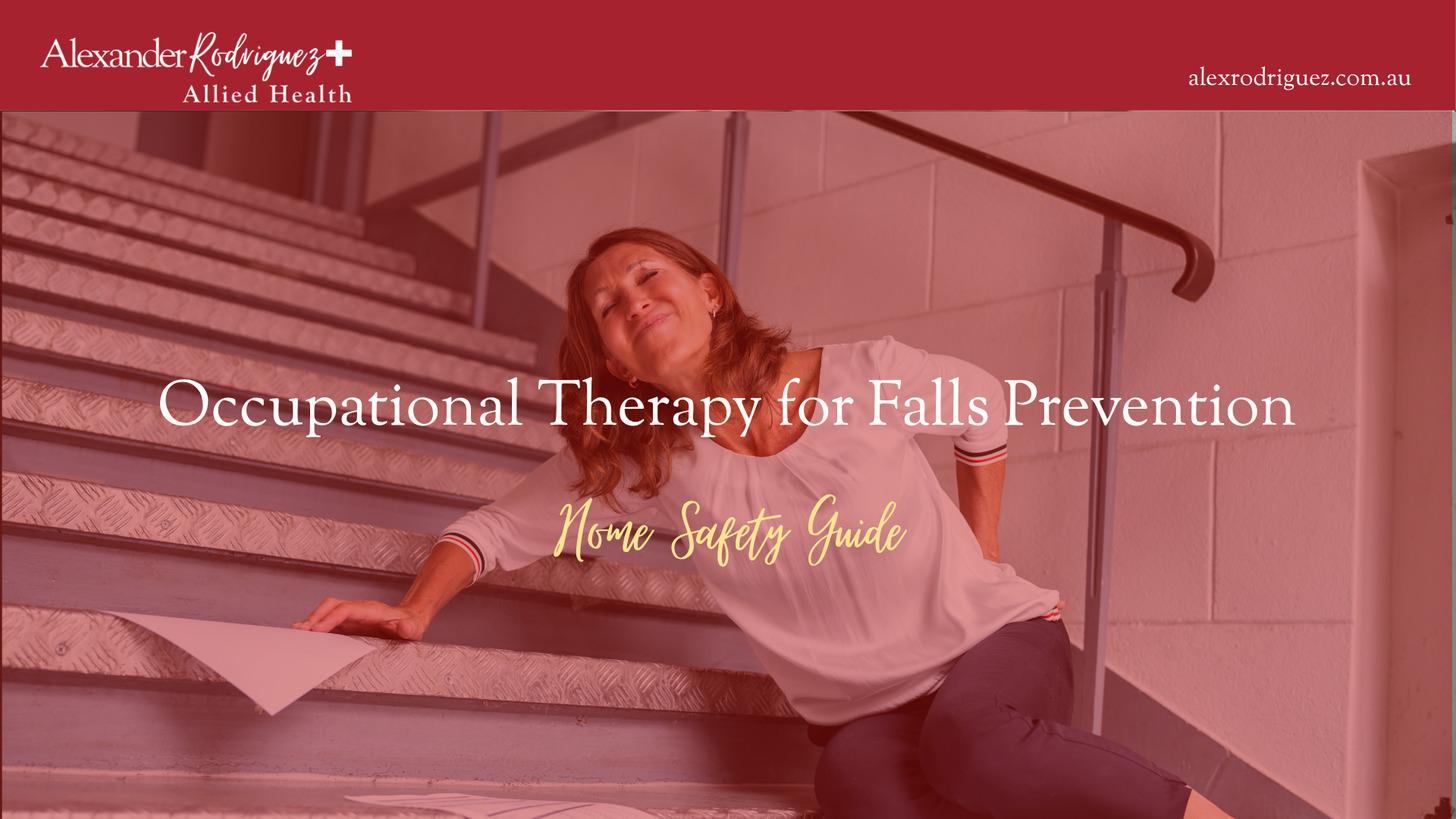
Occupational Therapy for Falls Prevention: Home Safety Guide
Occupational Therapy plays a vital role in helping you stay safe and steady as you grow older. Many Australians want to remain independent in their own homes, and according to the Australian Institute of Health and Welfare, falls are the leading cause of hospitalised injuries among older Australians, accounting for the large majority of injury hospitalisations in this age group.
One in two falls that lead to hospital admission happens right at home, so it makes sense to look closely at your living space and daily habits before an accident occurs. Getting professional help through an Allied Health Service gives you practical tools and strategies to move around your home with confidence, and Occupational Therapy offers expert guidance on your daily routines, your furniture layout, and the small habits that quietly add up to bigger risks over time.
Falls Prevention starts with spotting hazards before they cause harm, and this is where home safety assessments become so valuable. A trained therapist can walk through your home with you, checking things like loose rugs, poor lighting, and awkward step heights, then suggest changes that suit your specific needs. As part of a thorough Functional Capacity Assessment, your strength, mobility, and balance are reviewed so any recommendations actually fit how you move day to day, and you might also be guided through balance exercises designed to build the stability you need for everyday tasks like getting up from a chair or walking to the letterbox. This guide walks you through how these expert strategies can make your home safer, so you can keep enjoying your independence with genuine peace of mind.
Take the first step towards a safer home today. Your independence and peace of mind are worth protecting, and Alex Rodriguez is here to guide you with a personalised home safety assessment tailored to your needs and lifestyle.
Ready to get started? Reach out today:
- 📞 Call: 0429 220 646
- 📧 Email: info@alexrodriguez.com.au
- 🗓️ Book online through our Booking Page
Key Takeaways
- Focus on keeping your independence within your own home.
- Identify common household hazards that could lead to trips.
- Use professional guidance to tailor safety solutions to your needs.
- Small adjustments to your living space provide significant benefits.
- Proactive planning helps you stay confident and secure every day.
Understanding the Role of Occupational Therapy in Falls Prevention
In Australia, around 30% of adults aged 65 and over experience at least one fall a year, which makes safety a real priority for you and your family. This is exactly where Occupational Therapy becomes so valuable, helping you stay independent, confident, and protected from preventable falls. Working alongside a professional through a dedicated Allied Health Service means your home is properly reviewed for daily activities, with hidden dangers identified and addressed before they become a problem. Through detailed home safety assessments, even small hazards like loose rugs or poor lighting are uncovered, and the changes that follow can make a genuine difference to your long-term health and wellbeing.




Alexander Rodriguez
Seize the Day, Book an Appointment Today
Reach out anytime. Book online, call us, or visit our office in person.
Falls Prevention also comes down to how you move around your own home. As part of a comprehensive Functional Capacity Assessment, your everyday movement patterns are reviewed so you can be taught safer, more practical ways to get around without giving up the activities you love. You may also be guided through targeted balance exercises that build strength and stability over time, blending physical awareness with home modifications to help you move with greater ease. At its core, Occupational Therapy is about more than avoiding accidents; it’s about helping you live fully and safely in your own home, with better balance and lasting safety every day.
Conducting Your Own Home Safety Audit
Taking charge of your home’s safety is one of the most effective steps you can take towards lasting independence, and it pairs well with the broader principles of Falls Prevention that guide Occupational Therapy. In Australia, around half of all falls that lead to hospitalisation happen right where you live, which makes spotting risks early such an important part of your daily routine. Conducting your own audit doesn’t require special training, expensive tools, or a formal Functional Capacity Assessment to get meaningful results; it simply takes a willingness to walk through your home with fresh eyes and notice what could be improved. Checking for loose rugs, poor lighting, cluttered walkways, and unstable furniture gives you a practical head start before bringing in professional support through an Allied Health Service.
While a self-led audit is a great first step, it works best as a complement to professional home safety assessments, which go deeper into the specific hazards and movement patterns unique to your home and your body. A qualified therapist can identify risks you might overlook yourself, then recommend targeted balance exercises to build the strength and stability needed to move around safely. This combination of personal awareness and expert guidance is at the heart of effective Falls Prevention, helping you stay confident in your own space. Small changes made consistently, supported by the right professional advice, can make a genuine difference to your safety, your independence, and your overall quality of life.
Identifying Common Trip Hazards in Living Areas
Living areas often hide dangers. Check for loose rugs or mats without non-slip backing. These are common trip hazards.
Also, watch out for electrical cords and clear clutter. Keeping paths clear lets you move safely and confidently.
Evaluating Lighting and Visibility Requirements
Good lighting prevents falls, especially at night. Make sure hallways, staircases, and entryways are bright and non-glare.
Think about adding motion-sensor night lights in bedrooms and bathrooms. This helps you see hazards before they become a problem. Regular safety checks are important.
Assessing Bathroom and Kitchen Accessibility
The bathroom and kitchen are risky areas. In the bathroom, ensure the shower is safe and consider grab rails for support.
In the kitchen, keep items at waist height to avoid reaching or climbing. Use the table below to track your safety improvements.
| Area | Common Hazard | Safety Solution |
|---|---|---|
| Living Room | Loose Rugs | Use non-slip tape |
| Hallway | Poor Lighting | Install sensor lights |
| Bathroom | Slippery Floors | Add rubber mats |
| Kitchen | High Shelving | Move items to the counter |
Reviewing these areas makes your home safer. Regular safety checks help you live comfortably and securely at home.
Functional Capacity Assessment for Personal Safety
A Functional Capacity Assessment gives you a clear, detailed picture of your physical strengths and limitations within your own home environment, forming a vital part of effective Falls Prevention. As part of this process, a qualified professional observes how you move through daily tasks, such as getting in and out of bed, navigating hallways, or using the bathroom, to pinpoint exactly where extra support or modifications might be needed. This kind of assessment is typically delivered through an Allied Health Service, drawing on Occupational Therapy expertise to ensure every recommendation is grounded in how you actually function day to day, not just a generic checklist of risks.
Beyond simply identifying limitations, a Functional Capacity Assessment works hand in hand with broader home safety assessments to build a complete picture of your safety needs, connecting physical ability with the layout and design of your living space. Based on the findings, you may be guided through tailored balance exercises designed to strengthen the specific areas identified during the assessment, helping you regain confidence in your movement over time. This combination of physical insight and practical home strategy is essential for protecting your independence, allowing you to keep doing the things you love while feeling genuinely secure in your own home.
Evaluating Your Balance and Mobility
Maintaining your balance is a complex process that relies on your vestibular, vision, and somatosensory systems working together in harmony. When these systems function well, moving confidently around your home feels almost effortless, but when even one area is compromised, you might start to feel unsteady or off balance without quite knowing why.
During your Functional Capacity Assessment, these systems are closely examined to understand how they’re influencing your movement day to day. You’ll be guided through simple tasks like getting up from a seated position and turning in tight spaces, both common challenges that can reveal early signs of instability. This careful evaluation, often delivered as part of a broader Allied Health Service, helps identify exactly where you might be at risk of falling, so that targeted balance exercises and support can be put in place before a fall ever happens.
Reviewing Daily Living Skills and Routine Stability
Your daily habits play a central role in keeping you safe at home, which is why supporting your daily living skills is such an important focus within Occupational Therapy. By observing how you complete everyday tasks, such as reaching into cupboards, moving through the kitchen, or managing the bathroom, you can identify practical changes that make a genuine difference to your routine. This hands-on approach, often delivered through an Allied Health Service, ensures the suggestions you receive are tailored to how you actually live, not just generic advice.
Functional skill practice also helps you navigate your home more confidently, whether that means learning safer ways to reach for items on high shelves or adjusting how you carry objects to reduce strain and risk. With a personalised Functional Capacity Assessment guiding this process, you’re given practical tools and strategies that support Falls Prevention in real, everyday situations, helping you move through your day with greater stability, efficiency, and peace of mind.
Strengthening and Mobility Support Strategies
Your journey to a safer home begins with building strength and improving your movement, both essential pillars of effective Falls Prevention. Staying active is one of the most powerful tools available to you, helping to lower your risk of falling while keeping you independent and confident for years to come. Within Occupational Therapy, strengthening and mobility support are never approached as generic exercise routines; instead, they’re built around your specific needs, abilities, and the everyday tasks that matter most to you.
This is where targeted balance exercises come into play, designed to address the exact areas of weakness or instability identified during your Functional Capacity Assessment. Delivered as part of a broader Allied Health Service, these strategies work alongside thorough home safety assessments to create a complete picture of support, strengthening your body while also adjusting your environment to match. Together, this combined approach helps you move through your home with greater confidence, reducing your fall risk while supporting the independence and quality of life you deserve.
Exercises to Improve Core Stability
A strong core is the base for all your movements. It helps you stay balanced and steady. By doing balance exercises, you can greatly improve your walking and control.
Try standing on one leg while holding a chair or doing gentle pelvic tilts. These targeted movements strengthen muscles to help you bounce back if you stumble.
Integrating Movement into Your Daily Routine
Exercise doesn’t have to be a chore. Find activities you love, like walking in a park, dancing, or swimming. These activities keep your joints flexible and your heart healthy.
Biking is also great for your joints and heart. When you mix these balance exercises into your daily life, you build lasting confidence. This confidence helps you move safely and independently at home.
Cognitive and Behavioural Strategies for Hazard Awareness
Your mental focus plays just as important a role in staying safe as your physical strength does. It’s easy to move through your home on “autopilot,” missing small hazards like a step, a trailing cord, or a slippery patch on the floor, simply because your attention is elsewhere. By bringing greater awareness to how you move and where you’re walking, you can meaningfully reduce your risk of falling, even before any physical changes are made.
This kind of cognitive and behavioural strategy is often woven into Occupational Therapy sessions, helping you build habits that keep hazard awareness front of mind during everyday tasks. Alongside thorough home safety assessments and a personalised Functional Capacity Assessment, these strategies support Falls Prevention on a mental as well as a physical level. Delivered through an Allied Health Service, this approach, paired with practical balance exercises, helps you stay genuinely present and alert as you move through your home, giving you greater confidence and control over your own safety.
Managing Distractions While Moving
Your daily life is filled with distractions that pull your attention away from where you’re going, and it’s easy to fall into the habit of checking messages or taking calls while on the move. But multitasking while walking is one of the most common and preventable causes of trips and falls at home, particularly when your surroundings change underfoot without you noticing. When your attention is divided, even a familiar hallway or a slightly uneven floor can become a genuine hazard.
Using your phone forces your brain to focus on the screen rather than your surroundings, making it much harder to detect changes in floor surfaces, unexpected obstacles, or misplaced items in your path. This kind of distracted movement is a real concern within Falls Prevention, and it’s something often addressed directly during Occupational Therapy sessions. Building the simple habit of stopping completely before checking your phone or having a complex conversation gives your full attention back to your environment, significantly reducing your risk of a preventable fall.
Developing Mindful Habits for Home Navigation
Mindfulness is useful for daily safety, not just meditation. Developing a habit of “scanning” your path before moving can change your home experience. Try to notice potential obstacles like loose rugs or power cords before you start moving.
Walking slowly is another key strategy. Rushing makes it harder to react if you stumble. Taking your time lets your brain process the environment and adjust your balance.
| Movement Style | Attention Level | Risk Factor |
|---|---|---|
| Distracted Walking | Low (Focus on device) | High |
| Mindful Navigation | High (Focus on path) | Low |
| Rushed Movement | Variable (Focus on speed) | Moderate |
By choosing to be present, you make your home safer. These small changes in behaviour build a strong foundation for long-term independence and confidence in your physical abilities.
Sensory Integration and Environmental Modifications
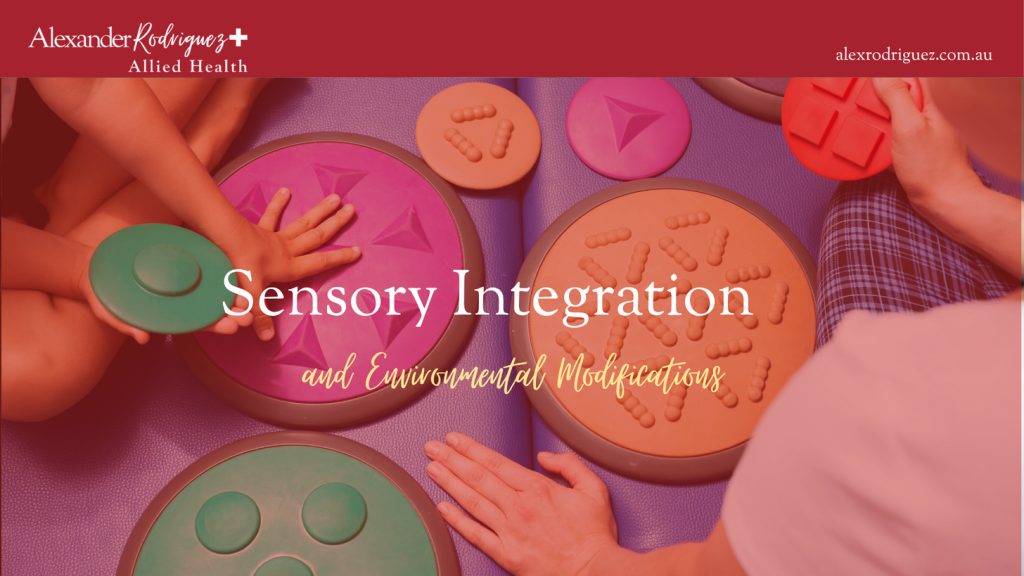
Your safety at home depends heavily on how well your senses interpret what’s happening around you. Clear, consistent signals from your environment, whether that’s good lighting, contrasting colours on steps, or familiar pathways, help your body stay balanced and aware of the space you’re moving through. When these signals are confusing or inconsistent, your risk of misjudging a step or losing your footing increases significantly, even in a home you know well.
Feeling genuinely safe at home starts with making sure your surroundings match your physical and sensory needs, which is a core focus within Occupational Therapy. Through detailed home safety assessments, hazards affecting sensory processing, such as poor lighting, glare, or low-contrast surfaces, can be identified and addressed, often guided by findings from your Functional Capacity Assessment. This work, typically delivered as part of a broader Allied Health Service, supports overall Falls Prevention by aligning your environment with your abilities, while complementary balance exercises help strengthen your body’s response to these sensory cues over time.
Adjusting Your Home for Sensory Needs
Making small changes to your home can greatly improve your daily life. Adding high-contrast markers to stairs or doorways helps your eyes see depth and distance better. This simple change lowers the chance of tripping, especially in areas with uneven lighting.
Improving your home’s lighting is also key for sensory support. Motion-sensor lights in hallways keep your path clear, even at night. Consistent, bright lighting helps your brain quickly understand your surroundings, making it easier to move and reducing anxiety.
Practical Tools for Better Spatial Awareness
Using the right tools can make hard tasks easier. Adaptive tools help you reach and stay stable, keeping you independent and safe. For example, a reacher lets you grab items from high shelves without stretching or climbing, which keeps your core stable.
In the bathroom, staying stable is crucial. A sturdy shower chair gives you a secure base, letting you focus on cleaning without slipping. Using stools in the kitchen helps you prepare meals while seated, reducing fatigue and fall risks.
| Modification Tool | Primary Benefit | Safety Impact |
|---|---|---|
| Grab Bars | Physical Support | High |
| Shower Chair | Balance Assistance | High |
| Reacher Tool | Extended Reach | Medium |
| Motion Lighting | Visual Clarity | High |
Independence and Routine Building Support
Keeping your independence at home starts with managing your daily energy just as carefully as you manage your physical safety. Feeling fatigued can quietly affect your balance and reaction time, raising your risk of a fall even during familiar, everyday tasks. By structuring your day thoughtfully, pacing activities and building in rest where needed, you can keep your energy levels steady and stay active for longer, without pushing yourself into unnecessary risk.
This kind of routine building is a key part of Occupational Therapy, helping you design a daily rhythm that supports both your stamina and your safety. Insights from your Functional Capacity Assessment are often used to shape these routines, ensuring they reflect your real physical capacity rather than guesswork. Delivered through an Allied Health Service, this approach works alongside home safety assessments and targeted balance exercises to support long-term Falls Prevention, helping you maintain the independence and confidence you value most.
Structuring Your Day to Reduce Fatigue
Breaking big tasks into smaller steps helps. Pacing yourself lets your body rest between tasks, avoiding sudden tiredness. Here are ways to keep your energy steady:
- Do your hardest chores when you’re most awake.
- Take regular breaks, even if you don’t feel tired.
- Use a trolley or cart to carry things, avoiding heavy loads.
Creating Safe Pathways for Essential Tasks
Your home should help you move easily, not hinder you. Clearing walkways lets you move with greater confidence. Keep things you use often within reach to avoid bending or stretching.
Kitchen safety is key. You can prepare food while seated at a stable table or counter. This prevents tiredness or losing balance while cooking. Here are simple ways to make your kitchen safer:
- Keep heavy or often used appliances on the bench to avoid reaching high.
- Make sure all busy paths are clear of rugs, cords, or clutter that could trip you.
- Have a comfy chair in the kitchen for sitting while chopping or waiting for the kettle.
Organising your space to meet your physical needs helps you stay independent. Small changes can make a big difference in your safety and well-being.
Injury Recovery and Chronic Condition Management
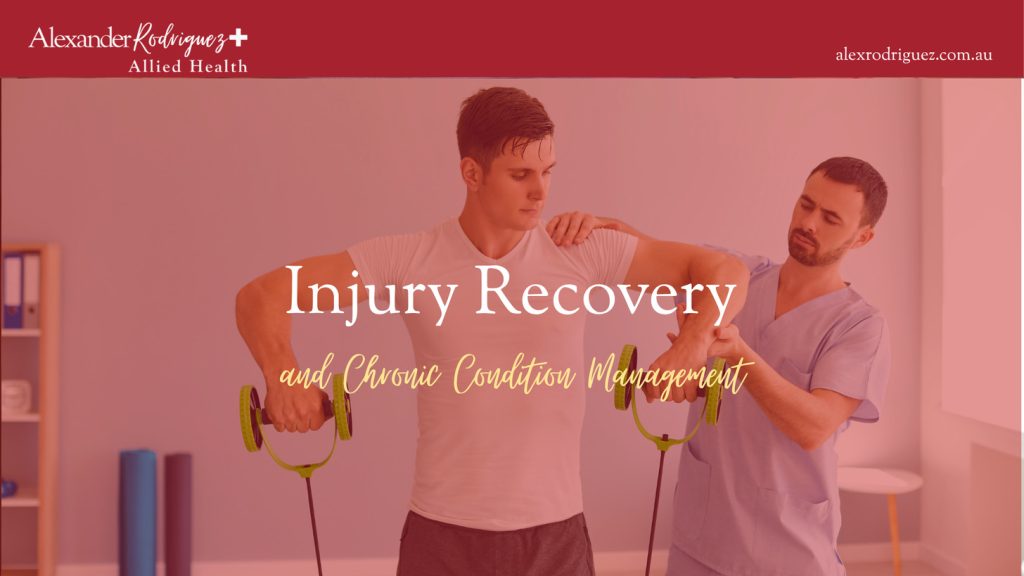
Your health journey is unique, and your home should be set up to support exactly where you are in that journey, whether you’re recovering from surgery, living with a chronic condition, or simply adapting to changes in your mobility over time. A safe, well-considered home environment is central to effective Falls Prevention, especially during periods when your body is healing or working harder than usual to maintain balance and strength.
This is where Occupational Therapy plays such a meaningful role, helping turn your home into a genuine place of recovery and stability rather than a source of risk. Through tailored home safety assessments and an individualised Functional Capacity Assessment, your specific condition and recovery stage are taken into account when recommending changes or support strategies. Delivered as part of a broader Allied Health Service, this approach often includes targeted balance exercises to rebuild strength and confidence safely, ensuring your home continues to support your independence at every stage of your health journey.
Adapting Your Home During Recovery Phases
When recovering from an injury, your movements may be limited. It’s crucial to adjust your surroundings to match your reduced strength or limited range of motion. Simple changes, like rearranging furniture, can greatly reduce accident risks while you heal.
We suggest installing temporary grab rails or using assistive devices to keep your independence. Prioritising safety during recovery lets your body heal without worrying about accidents. These small adjustments help you move through your home with more confidence.
Managing Chronic Conditions to Maintain Balance
Chronic conditions like arthritis, diabetes, and Parkinson’s disease can affect your balance and mobility. These health issues need a custom approach to falls prevention to keep you active and safe. We help you understand how your condition impacts your stability and find ways to reduce those risks.
Managing joint stiffness from arthritis or the sensory changes from diabetes is part of our support. Consistent monitoring of your home environment helps you stay safe. By incorporating these strategies into your daily routine, you can live independently and safely, no matter your long-term health.
Mental Health Occupational Therapy Support
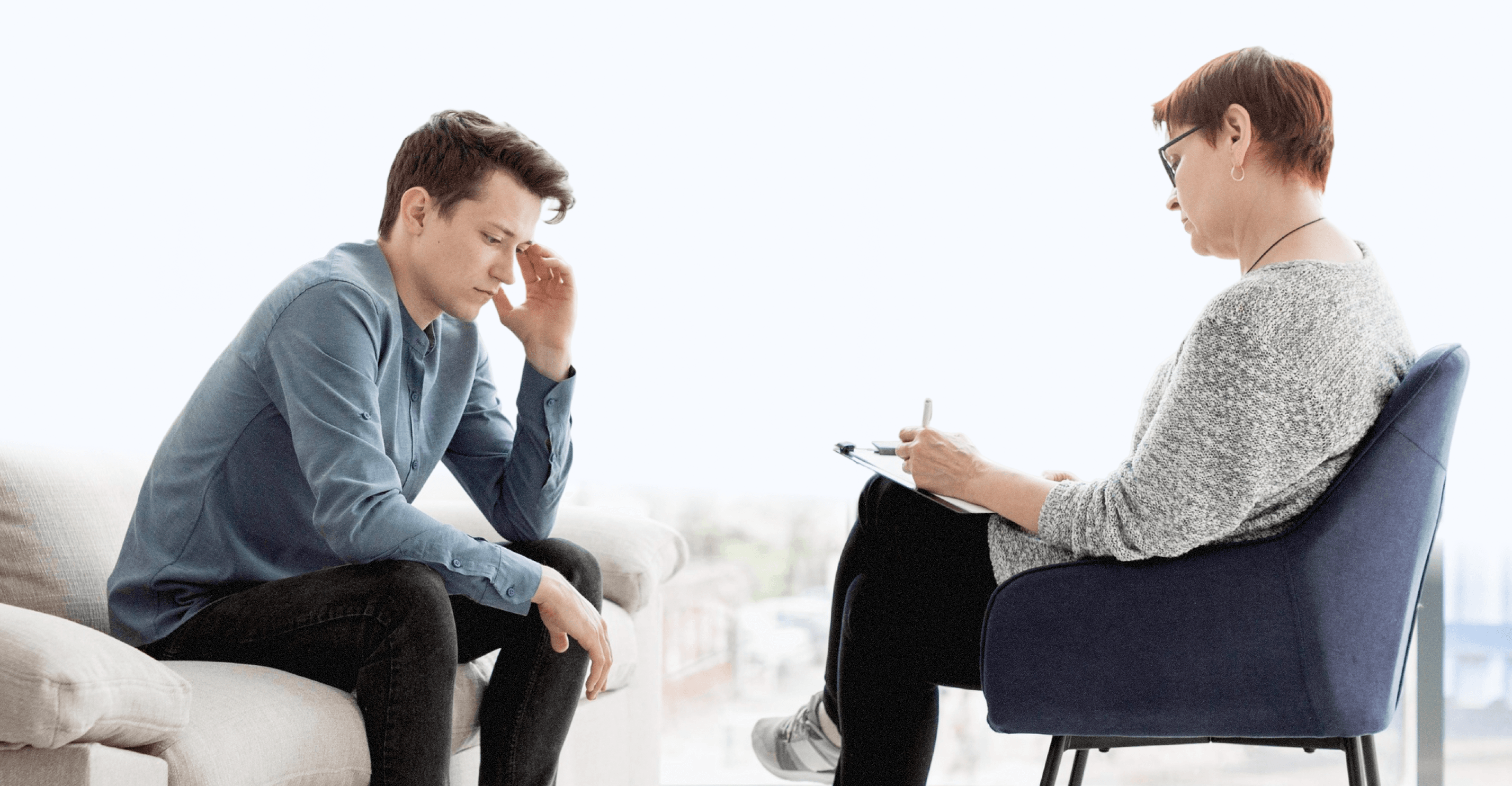
A fear of falling can take a real toll on your mental wellbeing, often creating anxiety that limits your freedom long before any physical risk actually arises. You might find yourself avoiding activities you once enjoyed, whether that’s gardening, cooking, or simply moving freely between rooms, and over time, this can make your home feel more like a place of restriction than a source of comfort and security.
Occupational Therapy addresses this emotional side of safety just as seriously as the physical one, helping you rebuild confidence alongside practical skills. By combining thorough home safety assessments with insights from your Functional Capacity Assessment, support can be tailored not only to reduce physical risk but also to ease the anxiety that often comes with fear of falling. Delivered through an Allied Health Service, this approach pairs gentle balance exercises with genuine emotional support, helping you re-engage with the activities you love as part of a holistic approach to Falls Prevention.
Addressing Fear of Falling Through Emotional Regulation
Understanding what triggers your anxiety around falling is a powerful first step towards feeling more in control of your own safety. Emotional wellbeing is closely tied to physical confidence, and when fear starts to limit how freely you move around your home, it can quietly shrink your world in ways that affect your overall quality of life. By identifying the specific situations or environments that make you feel most anxious, you can begin to address them in a practical, manageable way.
Occupational Therapy supports this process by helping you develop calming techniques and emotional regulation strategies that you can draw on whenever you feel unsteady or unsure. Using these techniques alongside targeted balance exercises creates a well-rounded approach to confidence building, helping you navigate your home with greater ease and far less fear over time.
Building Confidence in Your Physical Abilities
Building trust in your own body takes time, patience, and the right kind of support behind you. Setting small, achievable goals is one of the most effective ways to start feeling safer and more capable at home, giving you a sense of progress that builds on itself with each milestone you reach. As your confidence grows, you may find that physical limitations you once thought were fixed begin to ease, simply because you’re moving with greater intention and less fear.
Tailored movement programs, built around your specific needs and guided by Occupational Therapy principles, play a central role in this process. Targeted balance exercises are carefully chosen to boost your stability and strengthen the areas that matter most for everyday tasks, and with regular practice, daily activities like walking to the kitchen or stepping into the shower become noticeably easier and safer over time.
Home and Work Function Support
Creating a workspace that genuinely supports your physical needs helps you stay both productive and safe, whether you’re working from home or simply managing daily household tasks. Tailoring your environment to suit your body, through better seating, appropriate desk height, or smarter placement of frequently used items, reduces unnecessary strain, helping to prevent the fatigue and accidents that often follow.
This kind of practical support sits at the heart of Occupational Therapy, which looks beyond general Falls Prevention to consider how your home functions as a whole, including the spaces where you work. Through detailed home safety assessments and a tailored Functional Capacity Assessment, your specific physical needs are identified and matched with practical solutions, often delivered as part of a broader Allied Health Service. Prioritising your comfort in this way, alongside ongoing balance exercises, is key to maintaining your independence and managing daily tasks with greater ease and confidence.
Ergonomic Adjustments for Home-Based Tasks
Improving your home setup starts with ensuring furniture is at the right height. Make sure sofas and chairs are easy to get in and out of. A chair that’s too low can stress your joints and increase the risk of falling.
Here are some simple adjustments for your home office or hobby areas:
- Adjustable seating: Use chairs with firm cushions and armrests for stability when standing up.
- Work surface height: Ensure your desk or craft table is at a level that prevents hunching or overreaching.
- Foot support: Use a footrest if your feet do not touch the floor comfortably while seated.
Maintaining Safety While Staying Productive
Being productive doesn’t mean you have to neglect your physical wellbeing. Integrating mindful movement into your routine keeps your muscles active and your mind sharp. Regular breaks are crucial to prevent stiffness from sitting or focused work for too long.
Clear pathways in your home are important. A well-organised space lets you move around confidently. This ensures your focus stays on your tasks, not on avoiding hazards.
| Feature | Standard Setup | Ergonomic Setup |
|---|---|---|
| Chair Height | Too low or soft | Supports easy standing |
| Work Surface | Cluttered and uneven | Clear and stable |
| Movement | Sedentary for hours | Scheduled active breaks |
| Safety Risk | High due to instability | Low due to support |
Professional Allied Health Services at Alex Rodriguez Allied Health
At Alex Rodriguez Allied Health, the focus is firmly on improving your safety and independence, one personalised step at a time. Your home should be a place of comfort, not worry, and that belief shapes every assessment, recommendation, and conversation you’ll have along the way. By choosing Occupational Therapy support through Alex Rodriguez, you gain access to genuine expertise that makes a real, lasting difference in how you live, move, and feel within your own space.
Every engagement begins with thorough home safety assessments and a personalised Functional Capacity Assessment, ensuring recommendations are grounded in your actual needs rather than generic advice. As part of a comprehensive Allied Health Service, you’ll be guided through practical balance exercises and tailored strategies designed specifically for effective Falls Prevention. With Alex Rodriguez Allied Health, you’re not just receiving a service; you’re gaining a trusted partner committed to helping you stay confident, capable, and safe at home for years to come.
How Our Occupational Therapy Services Can Help You
Our Occupational Therapy team offers practical solutions for your lifestyle. We do detailed home safety assessments to spot risks early. These checks make sure your home supports your mobility and health.
We also do a functional capacity assessment to understand your physical needs. This helps us create a plan that boosts your confidence and independence. Our experts will help you with any changes you need, big or small.
| Service Type | Primary Goal | Key Benefit |
|---|---|---|
| Home Safety Audit | Hazard Identification | Reduced Fall Risk |
| Functional Assessment | Capacity Evaluation | Improved Independence |
| Routine Planning | Daily Stability | Enhanced Confidence |
Book Your Functional Assessment Online at Alex Rodriguez Allied Health
Booking your Functional Capacity Assessment with Alex Rodriguez Allied Health is straightforward and convenient. Simply visit the online booking portal at alexrodriguez.com.au/booking to find a time that works for you. Whether you’re looking for Occupational Therapy support, home safety assessments, or a complete Falls Prevention plan, We are ready to help you take that first important step towards a safer, more confident home.
Conclusion
Preventing falls is key to protecting your independence and overall quality of life, and it starts with making your home a place where you genuinely feel safe and comfortable. With the right support, Falls Prevention doesn’t need to feel overwhelming; small, considered changes can make a meaningful difference over time.
Working with a professional Allied Health Service makes this process far easier, giving you expert advice grounded in your real needs rather than generic checklists. Through Occupational Therapy, thorough home safety assessments, and a personalised Functional Capacity Assessment, safety strategies are broken down into practical, everyday steps you can actually follow. Add in tailored balance exercises designed around your specific strengths and goals, and you’re left with a clear, manageable path forward.
Take the first step towards a safer home today. Your independence and peace of mind are worth protecting, and Alex Rodriguez is here to guide you with a personalised home safety assessment tailored to your needs and lifestyle.
Ready to get started? Reach out today:
- 📞 Call: 0429 220 646
- 📧 Email: info@alexrodriguez.com.au
- 🗓️ Book online through our Booking Page