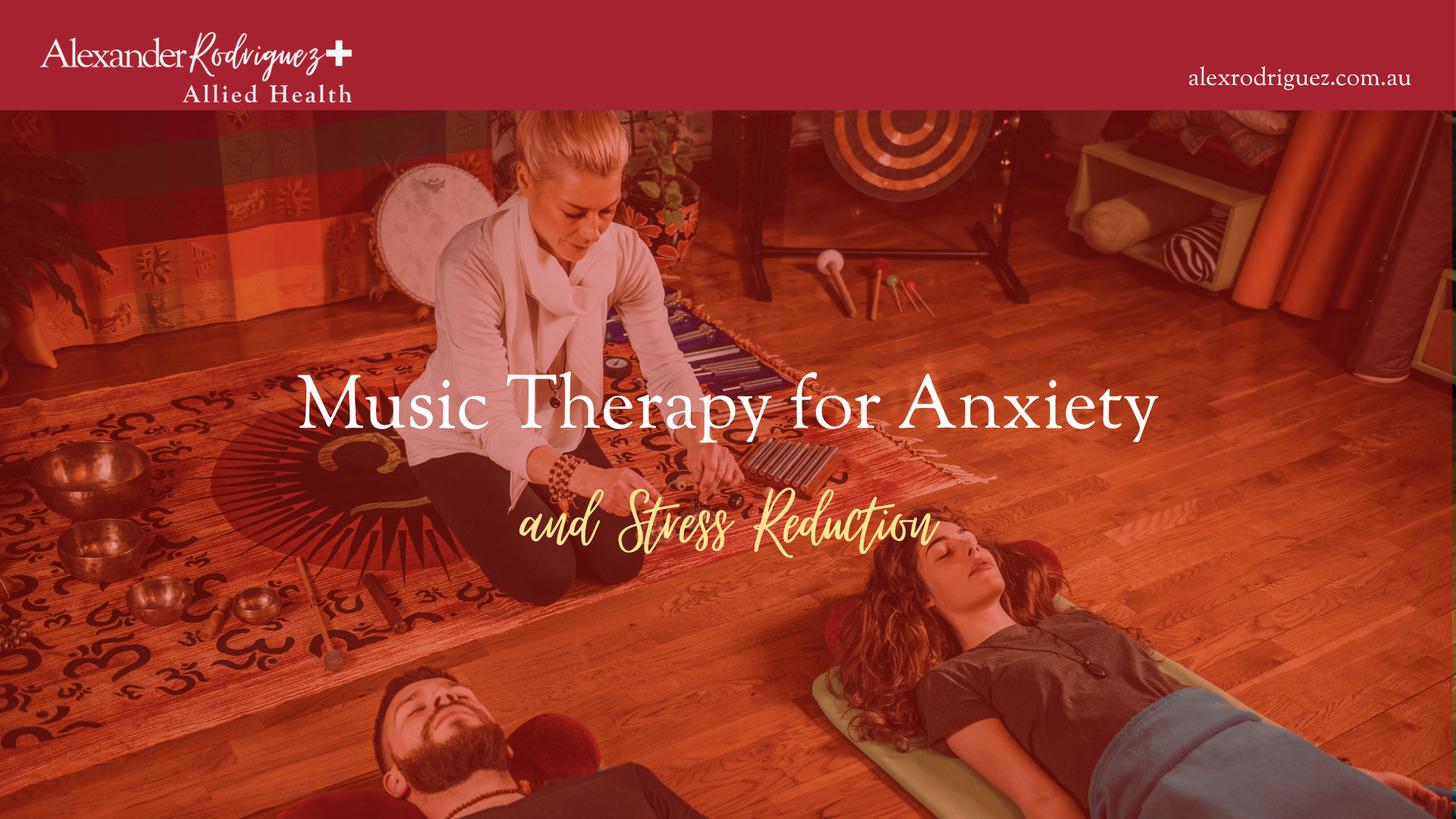
Music Therapy for Anxiety and Stress Reduction
Music therapy is a powerful way to support your wellbeing, especially when you are dealing with the fast pace of life in Sydney and across Australia. Each year, around 1 in 5 Australians experience a mental health condition, showing how common stress and anxiety have become across the country.
Through structured therapy techniques, music therapy helps calm your mind, regulate emotions, and ease the physical effects of stress. When combined with Occupational Therapy, it creates a more complete approach that supports both your mental well-being and everyday functioning. This style of care allows you to step away from daily pressure and reconnect with a sense of balance.
As part of a trusted Allied Health Service, you can access tailored mental health support that focuses on practical stress management strategies you can use every day. These approaches help you build resilience, improve focus, and respond more confidently to challenges. With consistent guidance, you are not only reducing anxiety but also building habits that support long-term wellbeing. This supportive approach gives you space to grow, helping you move forward with clarity, stability, and a stronger sense of control.
Need a break from constant stress?
Work with Alex Rodriguez to build calming routines that fit your life. Call 0429 220 646, email info@alexrodriguez.com.au, or book online today.




Alexander Rodriguez
Seize the Day, Book an Appointment Today
Reach out anytime. Book online, call us, or visit our office in person.
Key Takeaways
- Music therapy helps reduce anxiety by calming your mind and body through sound.
- Practical therapy techniques like listening, drumming, and humming support daily stress management.
- Creating a calm environment improves relaxation and emotional regulation.
- Occupational Therapy helps build routines, independence, and better daily functioning.
- Personalised care through an Allied Health Service provides strong mental health support.
- Consistent use of music-based strategies builds long term balance, resilience, and wellbeing.
Understanding the Science Behind Music Therapy
Music therapy is more than just listening to your favourite songs; it is a structured approach that uses sound to improve your overall wellbeing. When you engage in music therapy, your brain and body respond in ways that directly support relaxation and emotional balance. Research shows that music can lower heart rate, reduce cortisol levels, and help shift your body out of stress mode. By using guided therapy techniques, you can experience these benefits in a more focused way that supports long-term change. When combined with Occupational Therapy, this approach also helps you improve daily routines, focus better, and manage emotional triggers more effectively.
As part of a broader Allied Health Service, music therapy offers practical and personalised mental health support that fits into your daily life. You are not just listening to music, you are learning how to use it as a tool for better stress management and improved emotional control. These methods help you build resilience, respond calmly to challenges, and feel more grounded throughout the day. Over time, this structured support makes it easier for you to manage anxiety, stay balanced, and maintain a healthier connection between your mind and body.
How Sound Waves Influence the Nervous System
Sound waves are physical vibrations that reach your ears. They trigger neural pathways to your brain’s emotional centres.
A 2011 study published in Nature Neuroscience found that dopamine levels rise when you experience positive emotions through music. This chemical response helps your nervous system feel safe and relaxed, which is why regular music therapy can train your brain to return to calm states more easily.
The Role of Rhythm in Regulating Heart Rate and Breathing
Rhythm is a strong anchor for your body’s functions. Listening to music with a slow, steady beat can sync your body’s processes with it.
This is called entrainment. It can lower your heart rate and help you breathe more deeply. By picking the right tempo, music therapy can help you find balance on busy days.
Preparing Your Environment for Therapeutic Listening
Music therapy becomes even more effective when you create a space that supports calm and focus. Setting up a quiet and comfortable area at home helps signal to your mind and body that it is time to slow down. This simple shift can make a big difference in how you respond to stress-reduction techniques and improve emotional balance. By pairing this environment with guidance from Occupational Therapy, you can build routines that make relaxation easier and more consistent in your daily life.
A well-prepared space acts as a personal retreat where you can step away from daily pressures and focus on your wellbeing. Within an Allied Health Service approach, this kind of setup supports ongoing mental health support and improves your ability to practise effective stress management. Over time, your brain begins to associate this space with calmness and safety, making it easier for you to relax, recharge, and stay present.
Creating a Sensory-Friendly Space
Your space should feel safe and calm. Start by clearing out any visual clutter that might distract you.
Think about the lighting and temperature too. Soft, warm light can calm your nerves, and a comfy temperature keeps you focused.
Most importantly, trust your own preferences. If music makes you tense, pick something else that relaxes you. Choose sounds that make you feel calm.
Selecting Appropriate Equipment for Optimal Sound Quality
You don’t need fancy gear to enjoy music therapy. But good equipment makes a big difference in how well you feel the benefits.
For headphones, look for ones with noise cancellation. They block out distractions, letting you dive into the music.
If you use speakers, place them where you can hear them well but not too loudly. You want the sound to be gentle and enveloping. Good equipment helps you relax and stay well mentally.
Active Music Therapy Techniques for Stress Management
Music therapy offers practical ways to manage stress by actively engaging your mind and body. Instead of just listening, you take part in creating sound through structured therapy techniques that encourage expression and release. This hands-on approach helps you shift focus away from daily pressure and into the present moment. When supported by Occupational Therapy, these activities can also improve coordination, focus, and emotional awareness, making it easier for you to build healthy routines and respond to challenges with greater control.
Through an Allied Health Service, active music therapy provides meaningful mental health support that goes beyond passive relaxation. Activities like drumming, singing, or simple rhythm exercises allow you to process emotions that may feel overwhelming or difficult to express in words. These methods are designed to support effective stress management, helping your body release tension while building confidence and emotional balance. Over time, this active involvement helps you feel more connected, grounded, and better equipped to manage stress in everyday life.
Rhythmic Drumming to Release Tension
Rhythmic drumming is great for calming down when you’re anxious. Drumming lets you release built-up energy safely. The beat helps your body and mind get in sync, which is key for managing stress.
You don’t need to be a musician to use this method. Just focusing on the drum’s rhythm can calm your mind. It connects your body and emotions, bringing a sense of balance.
Guided Vocalisation and Humming for Vagus Nerve Stimulation
Your voice can calm your nervous system. Techniques like humming and singing target the vagus nerve. Humming sends a calming signal through your body.
Humming can slow your heart rate and help you breathe more deeply. Many people notice a mood boost after humming for a few minutes. It’s a simple way to calm down whenever stress hits.
| Technique | Primary Benefit | Best Used For |
|---|---|---|
| Rhythmic Drumming | Physical tension release | High-energy anxiety |
| Guided Humming | Vagus nerve stimulation | Rapid calming |
| Vocal Toning | Emotional regulation | Deep relaxation |
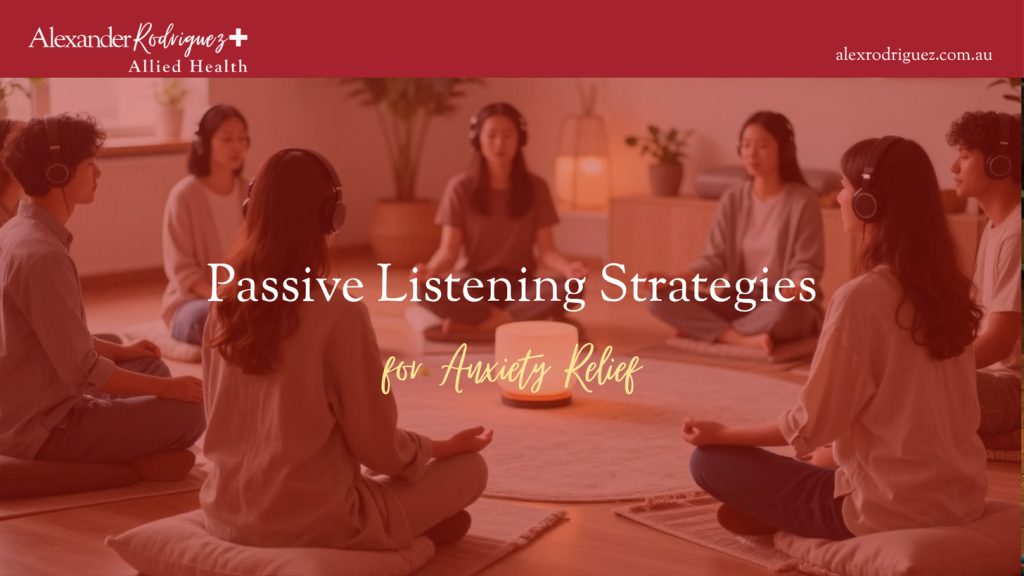
Passive Listening Strategies for Anxiety Relief
Music therapy can support your well-being through simple and intentional listening. You do not need to create music to feel the benefits. By choosing calming sounds and listening with purpose, you can gently guide your mind away from stress and toward relaxation. This approach helps your body slow down and gives you a break from constant mental pressure.
Research shows that passive listening can play a strong role in stress management. Studies have found that nurses who listened to music experienced lower stress levels and reduced cortisol compared to those who rested without music. This shows how structured listening can offer real mental health support in everyday situations. Over time, this practice can help you feel more at ease, focused, and emotionally balanced.
Curating Personalised Playlists for Emotional Regulation
Building a collection of sounds that match your mood is caring for yourself. Choose songs that help you calm down from being too tense. Think about the song’s speed and how it makes you feel.
Include both instrumental pieces and ambient sounds to block out daily stress. Regularly using music therapy can help your nervous system relax faster when you’re feeling stressed.
Using Binaural Beats and Isochronic Tones
There are special sounds like binaural beats and isochronic tones that can change your brainwaves. They help you relax deeply or focus better. These tools are great for those looking for a structured way to improve their mental health.
Start with short sessions to see how you react to these sounds. Being consistent is important to get the most out of music therapy in your daily life.
| Technique | Primary Benefit | Best Use Case |
|---|---|---|
| Classical Music | Lowers heart rate | Evening wind-down |
| Binaural Beats | Brainwave entrainment | Deep focus or sleep |
| Nature Sounds | Reduces cortisol | General stress relief |
| Guided Music Therapy | Emotional regulation | Professional support |
Integrating Music Therapy into Daily Living Skills
Music therapy can be a simple yet powerful way to make your everyday tasks more engaging and meaningful. By adding music to daily routines like getting ready, cooking, or organising your space, you create a sense of rhythm and structure that supports focus and motivation. These small changes can help you stay present and make tasks feel less overwhelming, especially when paired with practical therapy techniques that guide your actions and attention.
With support from Occupational Therapy, music therapy can also help you build stronger daily habits and improve independence over time. This approach fits well within an Allied Health Service, giving you consistent mental health support while strengthening your ability to manage daily responsibilities. As you continue using music in your routine, it becomes a helpful tool for stress management, keeping you engaged, confident, and more in control of your everyday life.
Using Music to Anchor Routine Building Support
Starting a new habit can be tough, but music helps. Link a playlist to your morning or evening routine. Your brain gets used to it, making it easier to start your day.
Choose songs that match your mood for the task. Fast songs for morning chores and slow ones for bedtime. This makes your day more predictable and comforting.
Synchronising Music with Functional Skill Practice
Music’s rhythm guides you when practising skills. It helps with cooking, organising, or exercises. This helps improve your coordination and focus.
Matching your actions to the music makes tasks more fun. It also helps you see how far you’ve come. Your confidence will grow as you learn new things with music.
| Routine Type | Musical Strategy | Expected Outcome |
|---|---|---|
| Morning Prep | Upbeat, high-tempo tracks | Increased alertness |
| Skill Learning | Steady, rhythmic beats | Improved coordination |
| Evening Wind-down | Slow, ambient melodies | Better emotional regulation |
| Task Completion | Instrumental focus music | Higher task persistence |
The Role of Occupational Therapy in Mental Health Support
Occupational Therapy plays an important role in supporting your overall well-being by focusing on how your daily environment, routines, and habits shape your mental health. It looks at the way you manage everyday tasks and helps you build practical skills to handle stress more effectively. By using structured therapy techniques, you can improve your ability to stay organised, adapt to challenges, and feel more in control. When combined with music therapy, this approach creates a balanced method that supports both emotional regulation and day-to-day functioning.
As part of a comprehensive Allied Health Service, Occupational Therapy provides personalised mental health support that fits into your lifestyle. You learn how to create supportive routines, adjust your surroundings, and apply simple stress management strategies that make daily life easier. Over time, this helps you feel more confident, focused, and capable of handling life’s demands. This consistent support allows you to build a stable foundation for long term wellbeing and a healthier, more balanced life.

How Alex Rodriguez Allied Health Approaches Holistic Care
At Alex Rodriguez Allied Health, you are supported through a holistic approach that looks beyond symptoms and focuses on your overall well-being. By combining traditional care with evidence-based therapy techniques, including music therapy and Occupational Therapy, your support is tailored to suit your lifestyle, needs, and personal goals.
This integrated Allied Health Service provides practical mental health support and effective stress management strategies that help you build lasting habits. The focus is on helping you feel balanced, confident, and in control, so you can experience real progress in your everyday life.
- Personalised assessment of your daily routines.
- Integration of creative arts to lower cortisol levels.
- Collaborative planning to ensure your goals remain central.
We offer mental health support that’s both professional and personal. We’re here to help you build a stronger, more peaceful life.
Bridging the Gap Between Sensory Integration and Emotional Well-being
Many face challenges due to sensory overload in today’s world. We aim to connect sensory integration with emotional control. This helps you find your balance.
Our strategies are made for you to handle complex situations better. Knowing how your body responds to sensory input lets you change your daily life for the better.
Discover how our occupational therapy can balance your life. With practice and guidance, you’ll get the tools for emotional stability.
Cognitive and Behavioural Strategy Support Through Sound
Music therapy uses sound as a practical tool to support how you think, feel, and respond to daily challenges. By applying simple therapy techniques, you can begin to shift negative thought patterns and manage emotional reactions more effectively. Sound helps your brain slow down, making it easier for you to move from feeling overwhelmed to feeling more balanced and in control. When combined with Occupational Therapy, this approach also supports better focus, routine building, and problem solving in everyday life.
As part of an Allied Health Service, this method offers structured mental health support that you can apply in real situations. You learn how to use sound and rhythm as part of your stress management strategy, helping you stay grounded during difficult moments. Over time, these techniques give you the confidence to handle challenges with clarity a
Reframing Negative Thought Patterns with Auditory Cues
Negative thoughts can feel like a never-ending loop. Auditory cues can help break this cycle. Playing a chosen sound can stop your brain’s distress.
This method shifts your focus from your worries to a calming sound. Over time, your brain links these sounds with calm. It’s a gentle way to reclaim your mental space without forcing positivity.
Developing Mindfulness Anchors Using Musical Motifs
Mindfulness anchors are short musical pieces for stressful times. By picking a melody or rhythm, you create a sensory anchor for calm. When tension rises, humming or listening to this motif can calm you down.
Practice these motifs when you’re relaxed so they become natural. In stressful situations, your body will recognise the sound as a signal to relax. This proactive approach builds resilience and emotional stability over time.
| Strategy | Primary Benefit | Best Used For |
|---|---|---|
| Auditory Interruption | Stops negative loops | Anxious rumination |
| Musical Anchoring | Promotes grounding | High-stress moments |
| Rhythmic Pacing | Regulates heart rate | Physical tension |
Customising Music Therapy for Chronic Condition Support
Music therapy can play a valuable role in supporting you when you are living with a long term health condition. It offers a gentle and flexible way to manage both physical and emotional challenges through structured therapy techniques. Since every person’s experience is different, your care can be tailored to match your needs, preferences, and daily routine. When paired with Occupational Therapy, this approach helps you maintain independence, adapt to changes, and improve how you manage everyday tasks.
As part of a personalised Allied Health Service, music therapy provides ongoing mental health support that fits naturally into your life. By adding music to your daily routine, you create a supportive space that encourages calm and stability. This also strengthens your approach to stress management, helping you cope with symptoms while improving your overall quality of life. Over time, these small and consistent changes can help you feel more in control, supported, and connected to your wellbeing.
Adapting Techniques for Injury Recovery Support
Recovering from an injury can feel challenging, especially when repeating the same exercises each day. By using structured therapy techniques, your sessions can be adjusted to keep you engaged, motivated, and focused on progress. Music therapy adds a supportive layer by helping you stay present and connected during movement, making each exercise feel more purposeful and less repetitive.
When your movements are matched with rhythm and sound, it can improve coordination and reduce frustration. This approach, often used alongside Occupational Therapy, makes clinical exercises more enjoyable and easier to follow. As part of a broader Allied Health Service, this method also supports your stress management and builds confidence during recovery. With the right guidance, you can stay consistent, which is key to improving strength, movement, and overall well-being.
Managing Pain and Stress Through Auditory Distraction
Chronic conditions can make everyday life tough, especially with ongoing pain. Music can be a great auditory distraction to help you focus on something else. It engages your brain with calming sounds, which can lower stress hormones and ease your symptoms.
Professional Guidance and Allied Health Service Integration
Knowing when to seek extra support is an important step in taking care of your well-being. While self-help strategies like music therapy can be effective, there are times when professional guidance can help you move forward with greater clarity and confidence. Working with trained professionals allows you to access structured therapy techniques that are tailored to your needs, helping you better understand your challenges and build practical skills to manage them.
By integrating an Allied Health Service into your routine, you receive consistent mental health support that focuses on long-term results. This approach often combines Occupational Therapy with personalised care to improve daily functioning and strengthen your approach to stress management. With the right support in place, you can feel more in control, make steady progress, and create a balanced routine that supports your overall well-being.
When to Seek Support from a Qualified Occupational Therapist
Wondering if you need outside help is normal. If daily tasks are hard or you struggle to manage your feelings, it’s time to seek help. A qualified occupational therapy expert can find out what’s holding you back.
Looking for mental health support is wise if you’re tired all the time or find it hard to keep up with your usual activities. These signs mean you might need new ways to cope.
Collaborative Goal Setting for Long-Term Mental Health
At Alex Rodriguez Allied Health, your progress is treated as a shared journey where your thoughts, preferences, and goals are always at the centre. Through collaborative goal setting, you work closely with professionals to create a plan that feels right for you. This approach breaks down overwhelming challenges into smaller, practical steps, making it easier for you to build confidence and achieve steady, lasting growth.
As part of a personalised Allied Health Service, your care plan is designed to grow and adapt with you over time. By combining Occupational Therapy with everyday routines, you receive consistent mental health support that helps you adjust to life’s changes. This ongoing guidance also strengthens your ability for effective stress management, allowing you to move forward with greater clarity, independence, and confidence.
| Feature | Self-Management | Professional Support |
|---|---|---|
| Strategy Design | Trial and error | Evidence-based planning |
| Accountability | Personal motivation | Structured check-ins |
| Goal Clarity | Subjective | Collaborative and measurable |
| Skill Building | Independent research | Guided clinical practice |
Getting Started with Alex Rodriguez Allied Health
Starting your journey towards better wellbeing is a meaningful step in looking after yourself. At Alex Rodriguez Allied Health, you are supported with compassionate care that focuses on your needs, goals, and personal experiences. Through a combination of music therapy, therapy techniques, and Occupational Therapy, you are guided to build practical skills that improve your day-to-day life. This supportive approach helps you feel understood, respected, and confident as you begin making positive changes.
As part of a trusted Allied Health Service, you receive personalised mental health support designed to help you manage challenges and move forward with clarity. The focus is on simple and effective stress management strategies that fit into your routine and support long-term progress. With the right guidance and a supportive environment, you can take this first step with confidence and begin creating a more balanced and fulfilling life.
Accessing Our Range of Allied Health Services
We have a wide range of allied health services to fit your needs. Whether you need help with moving around or doing daily tasks, our experts are ready to assist. We aim to give you practical help so you can live your life to the fullest every day.
How to Book Your Initial Consultation Online
Booking your first visit with us is easy and made to keep you comfortable. Just visit our online booking portal at https://www.alexrodriguez.com.au/booking/. This way, you can pick a time that fits your schedule perfectly.
Contacting Our Team for Personalised Support
If you have questions or want to learn more about our occupational therapy programs, just reach out. Call our friendly team at 0429 220 646. We’re always ready to offer the support you need to reach your health goals.
Conclusion
Music therapy is a powerful way to calm your nervous system and bring balance into your life. By using simple and effective therapy techniques, you can build stronger emotional awareness and improve your overall stress management. Even small changes in how you use sound each day can help you feel more relaxed, focused, and in control.
Your path to better wellbeing is unique and deserves consistent care. With the support of an Allied Health Service, you can access personalised mental health support that adapts to your needs over time. Together with Occupational Therapy, these approaches help you build lasting habits, manage daily challenges, and create a more stable and confident future.
Need a break from constant stress?
Work with Alex Rodriguez to build calming routines that fit your life. Call 0429 220 646, email info@alexrodriguez.com.au, or book online today.