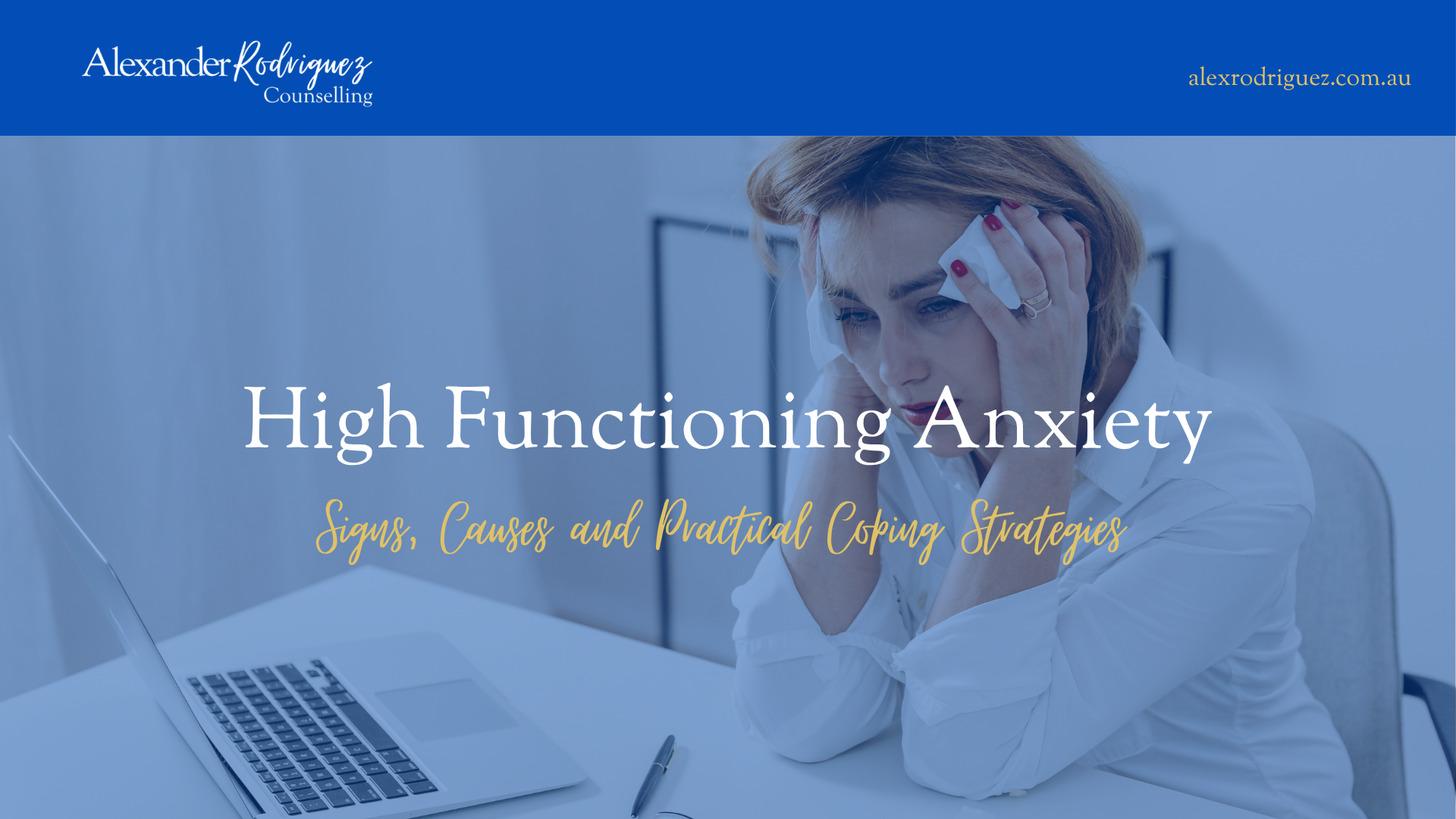
High Functioning Anxiety: Signs, Causes and Practical Coping Strategies
High functioning anxiety is a form of anxiety marked by ongoing worry, inner tension and mental pressure, experienced by people who continue to function well at work, study or home while appearing calm and capable to others. On the outside, you may seem organised, dependable and highly motivated, yet internally you feel restless, overthink constantly and find it hard to truly switch off or relax.
In Australia, this hidden experience is far from rare. National data from the Australian Bureau of Statistics shows anxiety is the most common mental health condition, affecting around 17 percent of Australians each year. Many people manage their responsibilities successfully while quietly dealing with ongoing anxiety symptoms, making high-functioning anxiety easy to miss, even by themselves. Without proper anxiety management and stress management, this internal pressure can slowly affect your energy, mood and overall mental health.
If you often feel like you are just pushing through each day, learning practical coping strategies can help you move beyond survival mode. Simple self-care tips, like setting boundaries, managing workload expectations and giving your nervous system time to rest, can make a real difference. Many Australians also find that anxiety counselling or professional counselling provides a safe space to unpack long-held stress and develop personalised tools to cope. With the right support and consistent care, high-functioning anxiety does not have to run your life. Understanding what is happening inside you is the first step towards calmer thinking, healthier routines and lasting wellbeing.
At Alex Rodriguez, we know anxiety can feel overwhelming, and an anxiety test is often a helpful first step toward understanding what you are experiencing. Our anxiety counselling provides calm, professional support to help you manage symptoms and regain confidence. Call 0429 220 646 or book online and get the support you need.
Key Takeaways
- High functioning anxiety can exist behind success, productivity and a calm exterior.
- Persistent anxiety symptoms often show up as perfectionism, overthinking and difficulty resting.
- Identifying personal triggers is essential for sustainable anxiety management.
- Daily coping strategies, self-care tips and healthy stress management support long-term mental health.
- Anxiety counselling and professional counselling can help you move from coping to genuinely feeling well.
Understanding the Reality of High-Functioning Anxiety
You may look calm, capable and in control to the people around you, yet internally feel a constant undercurrent of tension. High-functioning anxiety describes this hidden experience, where anxiety coexists with outward success and productivity. You continue to meet deadlines, support others and perform well, but your mind rarely slows down. Even though high-functioning anxiety is not formally recognised in the DSM-5, it is a genuine and increasingly common challenge for high achievers. Ongoing anxiety symptoms such as excessive worry, overthinking, perfectionism and fear of failure can quietly shape your daily life, placing strain on your overall mental health if left unaddressed.
Because you appear to cope well, high-functioning anxiety is often overlooked, both by others and by yourself. You may rely on busyness as a form of stress management, believing that pushing through is the only option. Over time, this approach can lead to emotional exhaustion, disrupted sleep and difficulty relaxing, making effective anxiety management essential. Practical coping strategies, along with realistic self-care tips, can help create balance and reduce constant pressure. Many people also find that professional anxiety counselling offers valuable insight and relief. Through guided counselling, you can better understand your anxiety patterns and develop healthier ways to manage stress, allowing you to move from simply functioning to feeling genuinely well.
What Does High Functioning Anxiety Actually Look Like?
To others, you may appear organised, reliable and in control, but internally, high-functioning anxiety often feels like a constant background hum of pressure. You manage tasks well and meet expectations, yet your mind stays busy with worry, overthinking, and the need to be prepared for everything that could go wrong.
This ongoing state of alertness shows up through subtle anxiety symptoms such as perfectionism, restlessness and difficulty relaxing, even during downtime. While these patterns can drive high performance, they also keep your stress levels elevated, making thoughtful anxiety management and realistic coping strategies important to protect your long-term mental health.
The Difference Between Clinical Anxiety and High-Functioning Anxiety
It’s crucial to know the difference between this and clinical anxiety disorders, like Generalised Anxiety Disorder (GAD). In clinical cases, anxiety stops you from doing daily tasks or keeping up with responsibilities.
On the other hand, those with high-functioning traits use their nervous energy to stay productive. This might seem good, but it can lead to hidden burnout and emotional exhaustion. Here’s a table showing the main differences between these two experiences.
| Feature | High Functioning Anxiety | Clinical Anxiety |
|---|---|---|
| Daily Productivity | Often high or overachieving | Frequently impaired or stalled |
| Outward Appearance | Composed and successful | Visible distress or avoidance |
| Internal Experience | Constant worry and perfectionism | Overwhelming fear and panic |
| Impact on Life | Hidden burnout and fatigue | Significant disruption to routine |
Common Signs and Symptoms You Might Recognise
Living with high-functioning anxiety often feels like constantly walking a tightrope. You may move through your day appearing capable and composed, yet inside you feel mentally overloaded and under pressure. Your thoughts may race ahead to future tasks, problems, or what could go wrong, making it difficult to focus on the present moment fully. While you continue to meet expectations and stay productive, these hidden anxiety symptoms can quietly erode your sense of calm and emotional balance. Over time, this ongoing inner tension can place significant strain on your mental health, even though others see you as coping well.
Because high-functioning anxiety is subtle, its signs are easy to dismiss as normal stress or personality traits. You might struggle to relax, feel guilty for resting, or notice that your self-worth is closely tied to performance and achievement. Sleep may feel restless, your mind rarely truly switches off, and small mistakes can feel disproportionately distressing. Recognising these patterns is an essential step towards healthier anxiety management. Awareness allows you to acknowledge that just because you are functioning well does not mean you are feeling well, and that your mental health deserves care, attention and support.
Physical Indicators of Hidden Stress
Your body often shows signs of stress that you try to hide. Even when you seem calm, you might have muscle tension in your shoulders or jaw. Feeling tired all the time is another sign, as your body stays alert.
Headaches or digestive problems can also mean your body is under too much pressure. Paying attention to these signs is key to avoiding burnout.
Behavioural Patterns and Perfectionism
High-functioning anxiety often shows as a need for perfection. You might think your worth depends on your achievements, leading to a fear of failure. This drive for perfection keeps you busy but doesn’t bring true happiness.
The table below shows how these behaviours differ from usual stress responses:
| Behaviour | Typical Stress | High Functioning Anxiety |
|---|---|---|
| Workload | Feeling overwhelmed | Over-preparing to avoid errors |
| Social Life | Withdrawing | Over-committing to please others |
| Self-View | Temporary doubt | Chronic fear of being “found out” |
The Internal Monologue of Constant Worry
Underneath your productive exterior, you might have a constant stream of anxiety. You might replay conversations or worry about tasks long after work. This inner voice is often critical, pushing you to do more or be better.
This mental chatter makes it hard to relax or be in the moment. By recognising these patterns, you can start to challenge the idea that your value depends on constant productivity. Remember, your mental health is more important than any task or achievement.
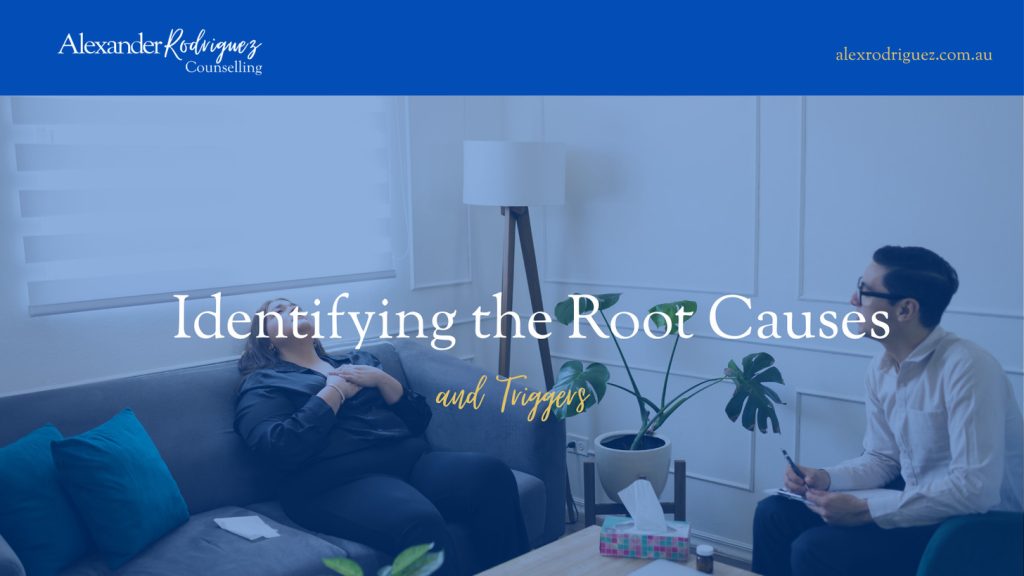
Identifying the Root Causes and Triggers
Understanding what sits beneath high-functioning anxiety is a powerful step towards meaningful change. It can often feel like this constant state of worry and tension is simply part of your personality, but in reality, it is usually shaped by life experiences and ongoing pressures. High expectations at work, fear of failure, people‑pleasing tendencies, past criticism or experiences where you felt unsafe or out of control can all contribute to this pattern. Over time, your mind learns to stay alert as a way to cope, even when the threat is no longer present, keeping your stress levels high and affecting your mental health.
Identifying these root causes allows you to approach stress management with greater compassion rather than self‑blame. Instead of pushing harder or ignoring your feelings, you can begin to recognise why certain situations trigger anxiety and how your responses developed to protect you. This awareness creates space for healthier choices, helping you respond to stress with understanding rather than pressure. When you know where your high-functioning anxiety comes from, managing it becomes less about fixing yourself and more about supporting your nervous system in a kinder, more sustainable way.
Biological and Environmental Factors
Your nervous system affects how you deal with everyday stress. Some people are naturally more sensitive, making anxiety harder to manage. This natural sensitivity can mix with your surroundings, keeping you always on edge.
Being in a state of constant alertness makes it hard to relax, even when it’s safe. Realising your body is trying to protect you is key. By understanding this, you can start using better stress management methods that respect your body’s needs.
The Role of Childhood Conditioning and Upbringing
Many with high-functioning anxiety grew up where success was everything. Being praised for what you achieve, not for trying, can make you think your worth is tied to your output. This early teaching often leads to a fear of failing.
You might still push yourself too hard to avoid criticism or letdowns. This is a common result of growing up with strict or conditional expectations. Healing means learning to see your value as something you already have, not something you earn through constant work.
Modern Workplace Pressures and Social Expectations
Today’s world often praises the very habits that fuel anxiety. Being always connected and available can make it hard to take a break. These demands can make you more prone to perfectionism and burnout.
Social media also adds to the pressure by making everyone look like they have it all together. Seeing others manage everything flawlessly can make you feel like you’re not doing enough. Taking care of your mental health in this setting is not just a choice; it’s a necessity for your well-being.
Step One: Recognising Your Personal Triggers
Beginning to manage high-functioning anxiety starts with paying closer attention to your everyday experiences. When you are used to constantly pushing forward, it is easy to overlook the subtle signals your body and mind send when stress is building. You may move quickly from one task to the next without noticing rising tension, shallow breathing or racing thoughts. Slowing down allows you to observe when and where your anxiety increases, whether it is around deadlines, social expectations, being uncertain or feeling out of control. These moments often reveal important patterns that contribute to ongoing strain on your mental health.
Recognising your personal triggers helps turn vague stress into something you can understand and respond to. You may begin to notice that certain people, environments or pressures consistently leave you feeling overwhelmed or on edge. Rather than judging yourself for these reactions, awareness allows you to approach them with curiosity and compassion. This understanding lays the foundation for healthier stress management, helping you respond more intentionally instead of automatically pushing harder. By learning what activates your anxiety, you create space to support yourself in ways that reduce pressure and restore balance.
Keeping an Anxiety Journal
Keeping a journal is a great coping strategy. You don’t need to write a lot. Just noting when your anxiety goes up can be very helpful. Try to write down the time, what’s happening, and how you feel.
Doing this over time lets you see patterns in your life. You might find that you get stressed in certain meetings or when deadlines are tight. Writing these down makes your feelings more tangible data you can work with.
Identifying Situational Stressors
After you’ve filled up your journal, you can find out what stresses you. These are things outside of you that make you anxious. It could be fear of failure or wanting to look perfect. Naming these triggers is a big step in understanding yourself.
Knowing what stresses you lets you find ways to deal with it. This way of managing anxiety helps you get through tough days more easily. You’re not just dealing with symptoms; you’re building a strong base for coping strategies that fit your life.
Step Two: Implementing Daily Emotional Regulation Techniques
Finding a sense of calm in a busy, demanding world is possible with the right daily practices. When you live with high-functioning anxiety, your nervous system is often stuck in a heightened state of alert, scanning for what needs to be done next or what might go wrong. This can make even quiet moments feel uncomfortable or unproductive. Emotional regulation techniques help interrupt this cycle by teaching your body and mind that it is safe to slow down. Simple, intentional habits practised consistently are far more effective than occasional attempts to relax when you are already overwhelmed.
A regular emotional regulation routine can gently shift you from a reactive state into one of greater stability. This might include slowing your breathing during the day, grounding yourself when thoughts start racing, or creating small pauses between tasks instead of rushing straight into the next demand. Over time, these techniques help reduce the constant internal pressure that fuels high-functioning anxiety. Rather than relying on willpower to push through stress, you build a steady sense of control and balance that supports your overall mental health and makes daily life feel more manageable.
Grounding Exercises for Immediate Relief
Grounding exercises are essential tools for when your thoughts start to spiral. They help you focus on your surroundings, not your worries. The 5-4-3-2-1 technique is a popular method.
It asks you to notice five things you see, four things you can touch, three sounds, two smells, and one taste. This distracts your brain from stress. It’s a quick way to calm down, whether at work or on your way home.
Mindfulness Practices for Long-Term Calm
Mindfulness is more than a trend; it’s a powerful tool against daily stress. It teaches you to watch your thoughts without getting caught up in them. This is a key coping strategy for staying mentally clear.
Try sitting quietly for five minutes each morning. Focus on the sounds or the feeling of your feet on the floor. This habit can reduce your anxiety and keep you grounded, even on tough days.
Breathing Techniques to Lower Cortisol
Your breath connects directly to your nervous system. When you feel tense, certain breathing can help release stress hormones. Box breathing: inhale for four, hold for four, exhale for four, hold for four is simple yet effective.
Regular practice of these techniques can help manage anxiety’s physical symptoms. By making them part of your daily routine, you can handle life’s challenges more easily and confidently.
Step Three: Challenging Perfectionism and Negative Thought Patterns
Perfectionism can feel like a constant weight on your shoulders, especially when you are living with high-functioning anxiety. You may set extremely high standards for yourself, believe mistakes are unacceptable, or feel that your worth depends on how well you perform. While this mindset can fuel achievement, it also keeps your mind in a state of relentless pressure. Negative thought patterns like self‑criticism, all‑or‑nothing thinking and fear of failure can run quietly in the background, draining your energy and making it difficult to ever feel satisfied or at ease.
Challenging these patterns does not mean lowering your values or ambition. It means learning to question rigid expectations and replacing them with more balanced, realistic ways of thinking. When you begin to notice unhelpful thoughts and gently reframe them, you create space to respond rather than react. This shift allows you to conserve emotional energy, reduce stress and develop healthier ways to cope. Over time, easing perfectionism can help you feel more grounded and in control, supporting better anxiety counselling and a more sustainable relationship with your mental health.

Applying CBT Principles to Your Daily Routine
Cognitive Behavioural Therapy (CBT) teaches you to spot thoughts that cause anxiety. Start by logging when you feel overwhelmed by perfection. Ask if your expectations are realistic or if they’re too high.
After spotting these patterns, challenge them with facts. Instead of seeing a small mistake as a big failure, look for evidence that shows you’re still valuable. This helps you stop worrying and see things more clearly.
Reframing Your Inner Critic
Your inner critic is often very hard on you. It pushes you to do more and ignores your achievements. To change this, talk to yourself kindly, like you would to a friend. When you judge yourself, replace those thoughts with kind, realistic ones.
Learning to quiet your critic is key to managing high-functioning anxiety. By being kind instead of critical, you create a safer space inside. This lets you aim for your goals without the burden of needing to be perfect, reducing your anxiety.
Step Four: Prioritising Self-Care and Boundaries
Learning to take back your time is a crucial step in managing high-functioning anxiety, even though it can feel uncomfortable at first. You may be used to saying yes to every request, taking responsibility for others and pushing your own needs aside to keep everything running smoothly. While this may look like coping on the surface, it often leaves you mentally drained and emotionally depleted. When rest feels unearned or unnecessary, your mental health can suffer, making stress and anxiety harder to manage over time.
Setting clear, consistent boundaries is essential for protecting your energy and well-being. Boundaries allow you to decide what you can reasonably give without overextending yourself. This might mean saying no, asking for help or allowing yourself time to rest without guilt. Prioritising self-care is not selfish or indulgent; it is a necessary part of creating balance and preventing burnout. By respecting your own limits, you create space for recovery, clarity and a calmer relationship with your anxiety, supporting more sustainable and effective daily functioning.
Learning to Say No Without Guilt
It’s hard to say no because you fear disappointing others. But saying no is crucial for stress management and avoiding overcommitting. You can be kind and firm without needing to explain why.
Start by saying no in small ways. As you see, the world doesn’t end when you say no, you’ll feel more confident. Remember, every yes to something draining is a no to your recovery.
Creating Sustainable Work-Life Balance
Getting a healthy balance needs effort, not just hope. Good self-care tips mean planning downtime as you would work meetings. This way, you have time to recharge.
Burnout comes from thinking you must always work hard. By stopping this cycle, you can thrive without constant effort. Use the table below to check your habits and find areas to improve.
| Habit Type | Unhealthy Approach | Healthy Boundary |
|---|---|---|
| Communication | Always available for emails | Set specific office hours |
| Workload | Taking on extra tasks | Prioritising core responsibilities |
| Rest | Working through lunch breaks | Taking intentional breaks |
| Expectations | Seeking constant perfection | Accepting “good enough” |
Using these coping strategies will make you more resilient. Regular stress management is key to success and emotional stability. By adding these self-care tips to your daily life, you build a strong foundation for growth and well-being.




Alexander Rodriguez
Seize the Day, Book an Appointment Today
Reach out anytime. Book online, call us, or visit our office in person.
Professional Support at Alex Rodriguez Counselling
You do not have to navigate high-functioning anxiety on your own. Reaching out for professional support is a strong and positive step towards protecting your mental health and finding balance in a fast‑paced, demanding world. Professional counselling provides a safe space to pause, reflect and understand what is driving your anxiety symptoms, rather than constantly pushing through stress. This support can help you develop healthier stress management habits and begin meaningful anxiety management with guidance and care.
At Alex Rodriguez Counselling, you are welcomed into a warm, supportive and non‑judgemental environment where your experiences are respected and taken seriously. Through personalised anxiety counselling, the focus is on building practical coping strategies, learning sustainable self‑care tips and setting healthier boundaries so you can feel more in control. The goal is not just to cope, but to strengthen resilience, confidence and long‑term wellbeing, helping you move forward feeling supported, empowered and more at ease in your everyday life.
How Therapy Can Help You Manage Anxiety
Anxiety counselling helps find the source of your distress. With a professional, you can spot anxiety symptoms early. This stops them from becoming too much to handle.
We use proven methods like Cognitive Behavioural Therapy (CBT). It helps change negative thoughts. This way, you can control your emotions and daily life better.
Specialised Services for Stress and Burnout
Today’s life can be very stressful. Our counselling services offer help for burnout. We aim to help you regain your energy and drive.
We teach you how to manage your emotions and find lasting ways to cope. This helps you build a stronger, more balanced life despite anxiety.
Support for Life Transitions and Inner Conflict
Life brings many surprises that can cause inner turmoil. Whether it’s a job change or personal issues, we’re here to guide you. Our team helps you move forward with confidence.
We help you match your actions with your values. This reduces the anxiety caused by inner conflict. Below is a table showing how our support can help in various life areas:
| Service Area | Primary Focus | Expected Outcome |
|---|---|---|
| CBT Therapy | Thought Patterns | Improved Emotional Regulation |
| Burnout Support | Stress Management | Restored Energy Levels |
| Life Transitions | Inner Conflict | Increased Personal Clarity |
Accessing Online Therapy Sessions for Your Convenience
Finding time for appointments can feel challenging when work, family and daily responsibilities already demand so much of your energy. When you are managing high functioning anxiety, your mental health should not be pushed aside because of a full schedule, long travel times or competing priorities. Support needs to fit into your life, not add more pressure to it.
Online therapy sessions make accessing professional support easier and more flexible. With sessions available from the comfort of your own space, help is always within reach without disrupting your routine. This approach allows you to focus on your wellbeing in a way that feels practical, private and supportive, helping you care for your mental health while maintaining productivity and balance.
The Benefits of Remote Counselling
Remote counselling offers top-notch support, right from your home. Many find it easier to share their high-functioning anxiety in a familiar setting.
A digital platform helps you tackle anxiety and stress without the hassle of travel. You can get effective anxiety counselling without leaving your home, saving you time each week.
| Feature | In-Person | Online |
|---|---|---|
| Flexibility | Fixed Location | Anywhere |
| Travel Time | Required | None |
| Comfort Level | Clinical Setting | Your Choice |
How to Book Your First Session
Booking your first session is easy. Just visit Alex Rodriguez Counselling website at https://www.alexrodriguez.com.au/counsellor-booking/ to start.
On our portal, you’ll see times that fit your schedule. We’re here to help with anxiety counselling for high-functioning anxiety and general anxiety. Begin your journey to a calmer life today with our counselling services.
Taking the First Step Toward Better Mental Health
Your journey towards balance, clarity and lasting wellbeing begins with a brave and intentional choice. Many people believe they must manage high-functioning anxiety on their own, especially when they appear capable and successful to others. Over time, this belief can increase pressure and intensify anxiety symptoms, making everyday life feel heavier than it needs to be. Acknowledging that you need support is not a weakness; it is a powerful act of self‑awareness and the foundation of effective anxiety management.
With the right coping strategies, healthy stress management practices and practical self‑care tips, it is possible to reduce constant tension and regain a sense of control. Professional anxiety counselling and supportive counselling can play a vital role in strengthening your mental health, helping you understand your patterns and develop tools that truly work for you. Taking this first step allows you to move beyond simply functioning well on the outside and begin feeling supported, grounded and well on the inside too.
Why Seeking Help is a Sign of Strength
Many think getting anxiety counselling is weak. But facing anxiety symptoms and growing takes real courage. By talking to a pro, you’re choosing your mental health over quick fixes.
Experts give you tools to deal with tough feelings. They help you see things clearly, which is hard alone. Here’s why professional help is valuable:
| Approach | Outcome | Sustainability |
|---|---|---|
| Managing alone | Temporary relief | Low |
| Professional counselling | Lasting change | High |
| Ignoring anxiety | Increased burnout | None |
Contacting Alex Rodriguez Counselling Today
Ready to tackle anxiety? Alex Rodriguez Counselling is here to listen. We offer a safe space to talk and find ways to manage daily life.
Call us today at 0429 220 646 or book online. This is a crucial step for your future well-being.
Conclusion
Your journey towards a more balanced and fulfilling life begins with the small, consistent choices you make each day. Managing high functioning anxiety takes time, patience and self‑compassion, but you deserve a sense of calm that lasts beyond short moments of relief. Effective stress management is not about pushing harder or following rigid rules, but about listening to your body and sustainably caring for your mental health.
Simple, intentional self‑care tips, paired with practical coping strategies, can lead to meaningful and lasting change. You do not have to face anxiety symptoms alone. Supportive anxiety counselling and professional counselling can provide guidance, tools and reassurance as you learn healthier approaches to anxiety management. Every step you take towards support is a positive investment in your wellbeing. By putting your needs first and seeking help, you open the door to a calmer, more grounded and balanced way of living.
At Alex Rodriguez, we know anxiety can feel overwhelming, and an anxiety test is often a helpful first step toward understanding what you are experiencing. Our anxiety counselling provides calm, professional support to help you manage symptoms and regain confidence. Call 0429 220 646 or book online and get the support you need.