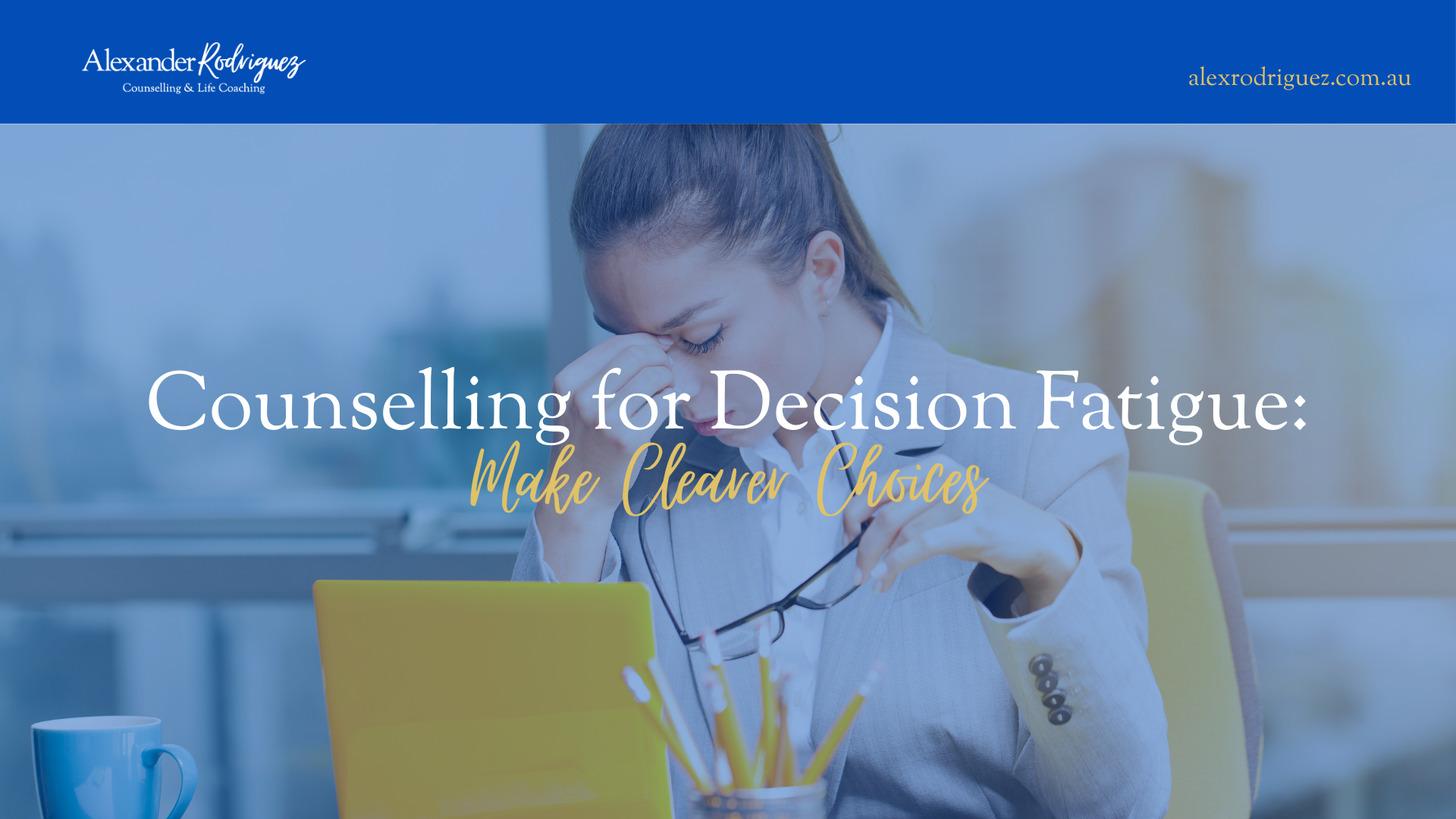
Counselling for Decision Fatigue: Make Clearer Choices
Counselling can help when decision fatigue makes everyday choices feel harder than they should. Decision fatigue is the mental overload that builds up after making too many decisions in a day. When our brain is constantly choosing, comparing, and second-guessing, it can start to feel foggy, flat, and unsure, even about small decisions. Over time, this can affect daily life by making it harder to think clearly, stay motivated, and make choices that match what matters most. In Australia, the Australian Bureau of Statistics reported that 14% of adults (18+) experienced high or very high psychological distress, which shows how many people are feeling stretched and may benefit from mental health support.
Counselling can help you by creating a clear plan with a qualified professional, so we can understand what is going on, set practical goals, and take steady steps forward. In your sessions, you might identify the moments when decision fatigue hits hardest, map the patterns that keep you stuck (like overthinking, people-pleasing, or fear of getting it wrong), and break big decisions into smaller, manageable steps. You can also learn practical tools, such as setting priorities, using quick decision rules, for example, narrowing options to your top three, and creating simple routines that lower the number of choices you have to make each day. Over time, counselling can also support you to regulate stress, improve sleep habits, and set realistic boundaries, so your brain has more space to think clearly. If you are looking at counselling options, it helps to choose support that feels steady and practical. When finding the right therapist, look for someone who listens carefully, explains the process in plain language, checks in on what is working, and helps you set goals you can track. With the right mental health support, you can start making decisions with less doubt and more confidence, even when life feels busy.
Seeking professional help from a therapist is a good step. Counselling services from us here at Alex Rodriguez Counselling & Life Coaching can help guide you. Call on 0429 220 646, email info@alexrodriguez.com.au, or book an online session to take the first step. We know how vital a positive outlook is, and our services aim to help people see life in a brighter light.




Alexander Rodriguez
Seize the Day, Book an Appointment Today
Reach out anytime. Book online, call us, or visit our office in person.
Key Takeaways
- Decision fatigue is mental overload from constant choices, making even small decisions feel hard.
- It can affect work, relationships, sleep, and self-care.
- Reduce it with routines, fewer daily choices, time limits, and simple priority tools.
- Counselling builds clearer decision-making through stress skills, boundaries, and step-by-step planning.
- For career overwhelm, career counselling can help you clarify priorities and take the next step.
Understanding Decision Fatigue
Understanding Decision Fatigue starts with recognising how quickly everyday choices can drain your mental energy. In a world full of options, decision fatigue can build up when you are making back-to-back decisions all day, whether it is work tasks, family responsibilities, money choices, study deadlines, or even small things like what to cook and when to rest. Over time, your brain can feel overloaded, and you might notice signs like procrastinating, feeling irritable, overthinking simple decisions, or choosing the quickest option to “get it done”.
Decision fatigue is not laziness or a lack of willpower. It is a real mental strain that can affect focus, confidence, and emotional balance, especially when you are already under pressure. When your mental energy is low, you may start avoiding decisions altogether, second-guessing yourself, or feeling anxious about making the wrong choice. The good news is that once you understand what is happening, you can take practical steps to reduce choice overload, build supportive routines, and access mental health support so decisions feel clearer again.
What Is Decision Fatigue?
Decision fatigue is the mental overload that builds up after making too many decisions over time. When we use up our mental energy on constant choices, our brain has less capacity left for clear thinking and self-control. Decision fatigue can really affect daily life. It makes it hard to make good choices, and even simple decisions can start to feel heavy. Over time, small choices can stack up and add to that drained, stuck feeling.
The Science Behind Mental Exhaustion
Your brain works hard to save energy, and making choices uses up that energy. The more decisions you make, the more tired your brain gets. Studies show this tiredness can make it harder to think clearly and make good decisions.
Why It Matters for Your Well-being
Decision fatigue can cause anxiety, frustration, and lower productivity. Knowing what causes it and how it affects you can help.
| Signs of Decision Fatigue | Impact on Daily Life |
|---|---|
| Mental exhaustion | Poor decision-making |
| Increased irritability | Reduced productivity |
| Avoidance of decision-making | Increased stress levels |
By spotting the signs of decision fatigue and understanding its effects, you can find the right help for your mental health.
Signs You’re Experiencing Decision Fatigue
Decision fatigue can sneak up on you in unexpected ways, especially when life feels nonstop, and your brain never gets a real break from choosing. You might feel mentally drained, foggy, or easily frustrated, and notice that even small tasks take more effort than usual. Common signs include overthinking simple choices, procrastinating, jumping between options without deciding, or avoiding decisions altogether because everything feels too hard. It can also show up as snapping at people you care about, feeling less patient at work, relying on quick fixes (like picking the easiest option), or feeling guilty after deciding because you keep second-guessing yourself.
When this continues, it can affect your personal life, relationships, and productivity, and it can leave you feeling like you are not functioning at your usual level. That is where counselling can make a real difference. With mental health support, you can learn how counselling works to reduce overload through simple, practical strategies like prioritising what matters, setting boundaries, and creating routines that limit choice clutter.
Emotional Symptoms to Watch For
If you’re feeling really irritable or anxious about choices, you might be experiencing decision fatigue. Feeling overwhelmed can make you indecisive or impulsive. It’s important to notice these feelings and think about getting counselling to handle them.
Behavioural Indicators in Daily Life
Decision fatigue can make you swing to extremes. You might become really indecisive or start making quick, thoughtless choices. These changes can really affect your daily life and well-being.
Physical Manifestations of Decision Overload
The physical signs of decision fatigue are just as clear. You might feel tired, have headaches, or other stress-related symptoms. In bad cases, it can even lead to burnout, harming your health and work performance.
By spotting these signs, you can start managing decision fatigue and boost your mental health. Getting help from counselling services can give you the tools to make better, more confident choices.
How Decision Fatigue Impacts Your Daily Life
Decision fatigue affects more than just one area of your life. When your brain is worn down from making too many choices, you can start to feel mentally tired, less focused, and less patient, which can spill into work, home, and relationships. At work, you might struggle to prioritise tasks, delay important decisions, or make quick choices you later regret because you just want the decision off your plate. In your personal life, you may withdraw socially, avoid planning, or feel irritable with family and friends, even when you do not mean to. Over time, this constant overload can also affect your confidence, because second-guessing becomes a habit and decisions feel heavier than they should.
Your health can be impacted, too. When you are mentally exhausted, sleep can become lighter or more broken, and stress levels can rise, which makes decision fatigue even worse the next day. You might notice changes in appetite, motivation, and energy, and it can become harder to maintain routines like exercise, meal prep, or self-care. This is where counselling and mental health support can help you reset.
Work Performance and Career Progression
At work, decision fatigue can slow you down. You might struggle to start tasks or choose the easiest option over the best one. This can hold back your career and job satisfaction. Seeking counselling can help you manage it better.
Personal Relationships and Family Dynamics
Decision fatigue can also affect your personal relationships. Feeling mentally drained can make you irritable or withdrawn. This can strain your interactions with family and friends. Learning to manage decision fatigue can help keep your relationships healthy.
Health and Self-Care Consequences
Moreover, decision fatigue can harm your health. Chronic stress from making too many decisions can lead to physical and mental health problems. Finding the right therapist can help you find ways to cope with these effects.
The Australian Context: Why You Feel Overwhelmed
In Australia, life can feel like it moves at full speed most of the time. Between long commutes, back-to-back meetings, study deadlines, family responsibilities, and the constant buzz of phones and notifications, Your brains rarely get a proper pause. When everything needs a choice, what to prioritise, when to respond, what to buy, where to be, your mental energy can drop fast. This is how decision fatigue builds up, even when nothing seems “wrong” on the surface.
On top of that, pressure around cost of living, housing, work performance, and staying socially connected can make it harder to switch off. When the mind is already stressed, even small decisions can start to feel heavy, and it becomes easier to avoid choices or second-guess them later. That is where mental health support can help. With counselling, we can learn practical ways to reduce overload, reset boundaries, and make daily decisions feel clearer again, especially if we are considering counselling in Sydney and want to understand how counselling works and focus on finding the right therapist.
Modern Australian Lifestyle Pressures
Australia’s lifestyle is filled with high expectations and speed. You might handle many tasks at once. This includes work, family, social life, and personal goals.
Work-Life Balance in Australian Culture
Finding a good work-life balance is key. But Australian culture often values being busy. It’s important to set clear boundaries between work and personal life to keep your mental health strong.
Digital Overwhelm in Connected Australia
Australia is very connected, thanks to digital tech. While it has many benefits, it also leads to digital overwhelm. The constant flow of info and alerts can be exhausting, making decisions harder. Try having digital-free times or days to reduce this feeling.
Understanding these factors is the first step to managing decision fatigue and improving your well-being. Seeking counselling in Australia can offer the support and strategies you need to handle these challenges.
The Power of Professional Counselling for Decision-Making
When you are exhausted from constant choices, professional counselling can make a real difference. Instead of pushing through on willpower alone, you get structured mental health support that helps you slow things down and sort what actually needs your attention. In sessions, you can unpack what is driving the overload, such as stress, pressure to please others, perfectionism, fear of getting it wrong, or having too many responsibilities at once. This matters because decision fatigue is not just about “too many choices”. It is often linked to the way stress builds up over time and drains your mental energy.
A key benefit is understanding how counselling works in a practical, step-by-step way. You and your counsellor can map the decisions that drain you most, set clearer priorities, and build simple tools that reduce choice clutter, like decision filters, boundaries, routines, and realistic planning. You can also practise coping strategies for the moments when your mind goes blank, or you start spiralling into overthinking. If you are considering counselling, finding the right therapist is important because the right fit helps you feel safe, heard, and confident enough to practise these skills in real life.
The Counselling Process Explained
Counselling starts with figuring out what you need and what you want to achieve. Your counsellor will help you find out why you’re struggling to decide. Then, you’ll work together to come up with plans to overcome it.
Evidence-Based Approaches for Australians
In Australia, counsellors use proven methods like Cognitive Behavioural Therapy (CBT) and mindfulness. These help you think less, create routines, and get better at making decisions.
What to Expect in Your First Session
In your first meeting, you’ll talk about what’s on your mind and what you hope to get from counselling. This first step helps you understand what’s coming and how to get the most from your sessions.
| Aspect | Description | Benefit |
|---|---|---|
| Counselling Process | Collaborative goal setting | Personalized approach |
| Evidence-Based Approaches | CBT and Mindfulness | Effective decision-making |
| First Session | Discussing concerns | Clear expectations |
Types of Counselling for Decision-Making Support
When you are feeling overwhelmed by decisions, it helps to know that different types of counselling can support you in practical ways. Some approaches focus on reducing stress and calming your nervous system, while others help you challenge unhelpful thinking patterns, clarify what matters most, and improve problem-solving. Depending on what is driving your decision fatigue, a therapist might work with you on building routines, setting boundaries, improving confidence, or managing anxiety that makes choices feel risky or heavy. This kind of mental health support is not about giving you the “right” answer. It is about helping you think more clearly, feel steadier, and make decisions that align with your values.
Understanding how counselling works can also make it easier to choose the right approach. For example, Cognitive Behavioural Therapy (CBT) can help you spot overthinking and perfectionism, Acceptance and Commitment Therapy (ACT) can help you make values-based choices even when stress shows up, and solution-focused counselling can help you take small, clear steps forward without getting stuck in the past. Some people also benefit from mindfulness-based approaches that reduce mental clutter and improve focus.
Cognitive Behavioural Therapy Techniques
Cognitive Behavioural Therapy (CBT) is great for dealing with decision fatigue. It helps you spot and change negative thoughts that make decisions hard. With CBT, you learn to think more positively, making choices easier.
Mindfulness-Based Approaches
Mindfulness counselling teaches you to live in the moment, easing decision anxiety. It makes you more aware of your thoughts and feelings, helping you make better choices. Mindfulness practices like meditation and deep breathing also help reduce stress, improving your mental health.

Solution-Focused Brief Therapy
Solution-Focused Brief Therapy (SFBT) helps you set and reach goals. It’s about finding solutions, not getting stuck on problems. This method is good for tackling decision fatigue by focusing on positive outcomes.
Identifying Core Values
Understanding your core values is a big part of SFBT. Knowing what matters most to you helps you make choices that fit your values. This means reflecting on what you believe and what’s important to you.
Creating Action Plans
After figuring out your core values, the next step is to make plans. Break down big decisions into smaller steps to avoid feeling overwhelmed. Having a clear plan lets you move forward with confidence.
Practical Techniques to Reduce Decision Fatigue
In today’s fast-paced world, you are forced to make dozens of choices before the day is even half over. Over time, that constant decision load can trigger decision fatigue, where your mind feels drained, your focus drops, and even simple choices start to feel frustrating. The goal is not to make life “perfectly organised”. It is to reduce choice overload by keeping your decisions simpler, clearer, and more consistent, so you spend less mental energy on things that do not deserve it.
A practical starting point is to limit the number of decisions you make in the first place. Create small routines for repeat tasks (meals, exercise, outfits, work start times), and use a short list of “default” options so you are not reinventing the wheel every day. When a decision feels stuck, try a simple filter: “Does this matter in a week?” or “Which option matches my values and priorities right now?” You can also set decision time limits (for example, 10 minutes for small choices), batch decisions together (plan the week on Sunday), and reduce distractions by turning off non-essential notifications.
Decision-Making Frameworks That Work
Decision-making frameworks can make our choices easier. One good method is to set clear criteria for decisions. This helps us quickly compare options.
Prioritisation Strategies for Busy Lives
For busy people, prioritising tasks is key to beating decision fatigue. Here are some tips:
- Start with your most important tasks
- Use the Eisenhower Matrix to sort tasks by urgency and importance
The Eisenhower Matrix in Practice
The Eisenhower Matrix is a tool for prioritising tasks. It sorts tasks into four areas based on urgency and importance. This way, you focus on the most critical tasks first.
Aligning your decisions with your core values makes decision-making simpler. Knowing what’s important to you helps you make choices that match your priorities.
Creating Decision-Free Zones in Your Day
Creating areas in your day where you don’t have to make decisions can help. For example, plan your outfit the night before or have a standard meal plan. This saves mental energy for more important decisions.
By using these practical methods, you can lessen decision fatigue and make better choices. Getting help from counselling services can also offer tailored strategies for managing decision-making challenges.
Career Decisions: When to Seek Career Counselling
Career decisions can feel overwhelming because they often affect your finances, confidence, identity, and future options all at once. If you are experiencing decision fatigue, you might keep delaying choices, jumping between ideas, or feeling stuck in “what if” thinking. You may also notice that you are constantly researching roles, courses, or industries, but still feel unsure, anxious, or drained every time you try to commit. When career choices start impacting your sleep, mood, motivation, or relationships, it is a strong sign you may benefit from professional mental health support.
Career counselling can be helpful when you are facing a big transition, such as changing industries, returning to work, choosing a study path, or deciding whether to stay in a role that no longer fits. It is also worth seeking help if you feel pressure from family, finances, or workplace expectations, or if self-doubt is stopping you from taking action. A counsellor can help you sort through competing priorities, clarify what matters most, and create a realistic plan that breaks a big decision into smaller, manageable steps. If you are considering career counselling, it can help you manage stress, rebuild confidence, and break big career decisions into smaller steps, so choosing your next move feels clearer and less overwhelming.
Recognising Career Crossroads
You might be at a career crossroads if you’re stuck or unsure about your path. Career counselling can guide you through these challenges. It helps you make informed decisions about your future.
How Career Counselling Works
Career counselling pairs you with a trained professional. They help you discover your strengths, values, and interests. Together, you explore career options and plan for your goals. In Sydney, counselling services are available to support you.
Navigating Career Changes
Career counselling makes transitioning to a new career smoother. For example, a marketing pro might use counselling to move into public relations.
Finding Work-Life Harmony
Counselling also helps balance work and personal life. By setting priorities and boundaries, you can lead a more fulfilling life.
Seeking career counselling can give you the clarity and confidence to make the right career choices. Whether you’re changing careers or seeking a better work-life balance, professional advice is invaluable.
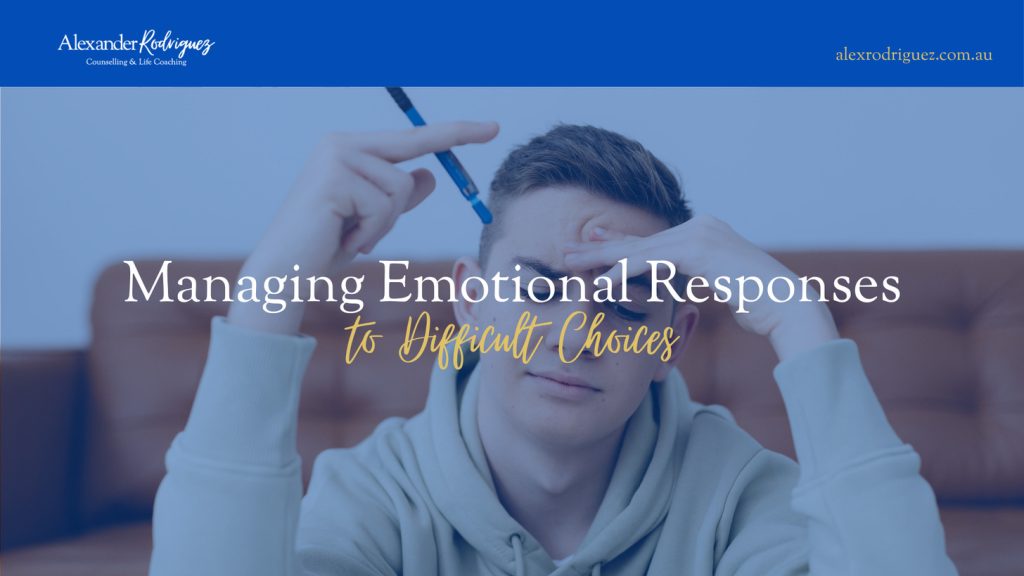
Managing Emotional Responses to Difficult Choices
When you are faced with a tough choice, it is normal to feel a mix of emotions, such as worry, pressure, guilt, fear of getting it wrong, or even frustration that you have to decide at all. These feelings can cloud your thinking and make decision fatigue worse, because your brain is trying to solve the problem while also managing stress at the same time. You might notice yourself overthinking, replaying conversations, imagining worst-case outcomes, or avoiding the decision altogether just to get temporary relief. The emotional load is real, and it can make even reasonable choices feel risky and overwhelming.
This is where mental health support and counselling can help you slow things down and respond with more clarity. Instead of trying to force a decision, you can learn simple strategies to regulate your emotions first, such as to regulate your emotions first, such as grounding techniques, breathing, and naming what you are feeling without judging it. From there, you can make choices based on your values and priorities, not just the emotion of the moment. Over time, this can build confidence and reduce the intensity of decision-related stress, so difficult choices feel more manageable and less exhausting.
Anger and Frustration in Decision-Making
Feeling angry or frustrated is normal when making hard choices. These emotions come from feeling stuck or worried about making the wrong choice. It’s important to notice these feelings to start managing them.
Depression, Anxiety and Choice Paralysis
Depression and anxiety can make it hard to decide. Sometimes, we feel so stuck that we can’t choose. In these cases, counselling in Australia can offer great help and advice.
Grief and Loss When Closing Doors
Feeling sad is natural when we have to give up certain choices. It’s important to accept this sadness to move on.
Healthy Coping Mechanisms
It’s vital to find healthy ways to cope with emotions. This could be through mindfulness, writing in a journal, or talking to loved ones.
When to Seek Additional Support
If your emotions are too much to handle, it’s time to get help from a mental health expert. They can offer specific advice and support to help you through tough times.
Finding the Right Counsellor in Sydney
Counselling works best when you feel safe, understood, and clear about what you are working towards. If you are looking for counselling in Sydney, start by getting specific about your goals, such as managing decision fatigue, reducing anxiety, improving relationships, or building confidence. Then look at practical fit factors, like location, session times, fees, and whether they offer in-person or telehealth. It also helps to check their qualifications and areas of experience, so you are choosing someone who regularly supports the challenges you are facing.
To make finding the right therapist easier, pay attention to how you feel after the first session. A good fit usually feels calm, respectful, and structured, not rushed or confusing. You should be able to ask questions about how counselling works, what the process might look like, and what progress could realistically involve. The right mental health support will not push you to “fix everything” quickly. It will help you take small, steady steps, with practical tools you can use between sessions.
What to Look for in a Therapist
Look at their qualifications, experience, and what they specialise in. A therapist with experience in your issues can offer better support. Also, their approach should feel right to you, like cognitive behavioural therapy or mindfulness-based approaches.
Questions to Ask Before Booking
Ask about their approach, experience, and what sessions will be like. This helps you see if they’re right for you. Also, ask about their schedule, fees, and what happens if you need to cancel.
Understanding Different Counselling Approaches
Knowing about different counselling methods helps you choose wisely. By learning about these methods, you can pick a counsellor who fits your needs best.
Choosing the right counsellor can make your therapy more effective. It helps you reach your personal goals faster.
Alex Rodriguez Counselling & Life Coaching Services
Counselling support can make a real difference when decision fatigue leaves you feeling stuck, drained, and unsure about your next step. If you are feeling overwhelmed by constant choices, you are not alone. Many people in Sydney are trying to juggle work pressure, family responsibilities, money stress, and nonstop notifications, and it can become harder to think clearly and trust your decisions. At Alex Rodriguez Counselling & Life Coaching, you get steady mental health support that helps you slow things down, sort what matters most, and move forward with more confidence.
You will not be judged or pressured to have it all figured out. Instead, you can learn practical strategies that reduce choice overload, ease stress, and rebuild your ability to make decisions without constant second-guessing. If you are exploring counselling in Sydney and want clarity on how counselling works, sessions can be structured around your goals, your pace, and real-life tools you can use straight away. If you are also focused on finding the right therapist, we aim to create a calm, supportive space where you feel heard, understood, and guided toward clearer choices.
Specialised Approaches to Decision Fatigue
Our counselling services tackle decision fatigue with evidence-based approaches. We help you find ways to make decisions easier, easing mental strain.
Available Services and Support Options
We provide a variety of services to boost your mental health, including:
Career Counselling
- Guidance to help you navigate career crossroads and make informed decisions about your professional future.
Anger Management
- Techniques to manage anger and frustration, improving your overall emotional well-being.
Depression & Anxiety Support
- Compassionate support to help you cope with depression and anxiety, reducing the impact on your decision-making.
Grief and Loss Counselling
- Support to help you process grief and loss, enabling you to move forward with clarity.
Moving Forward: Your Path to Clearer Choices
Understanding decision fatigue helps you recognise what is draining your mental energy, so you can start protecting it. When you know the signs, you can simplify choices, reduce overload, and stop blaming yourself for feeling stuck. Getting mental health support is an important step, because you do not have to manage everything alone. If you are considering counselling, you can learn practical strategies that help you feel calmer, think more clearly, and make decisions without spiralling into overthinking.
As you move forward, you may find it easier to make choices with less stress and less second-guessing. The mental tiredness can ease when you build routines, set boundaries, and use simple decision tools that fit your life. Over time, you can face daily challenges with more confidence and clarity, even when life stays busy. Seeking professional help from a therapist is a good step. Counselling services from us here at Alex Rodriguez Counselling & Life Coaching can help guide you. Call on 0429 220 646, email info@alexrodriguez.com.au, or book an online session to take the first step. We know how vital a positive outlook is, and our services aim to help people see life in a brighter light.