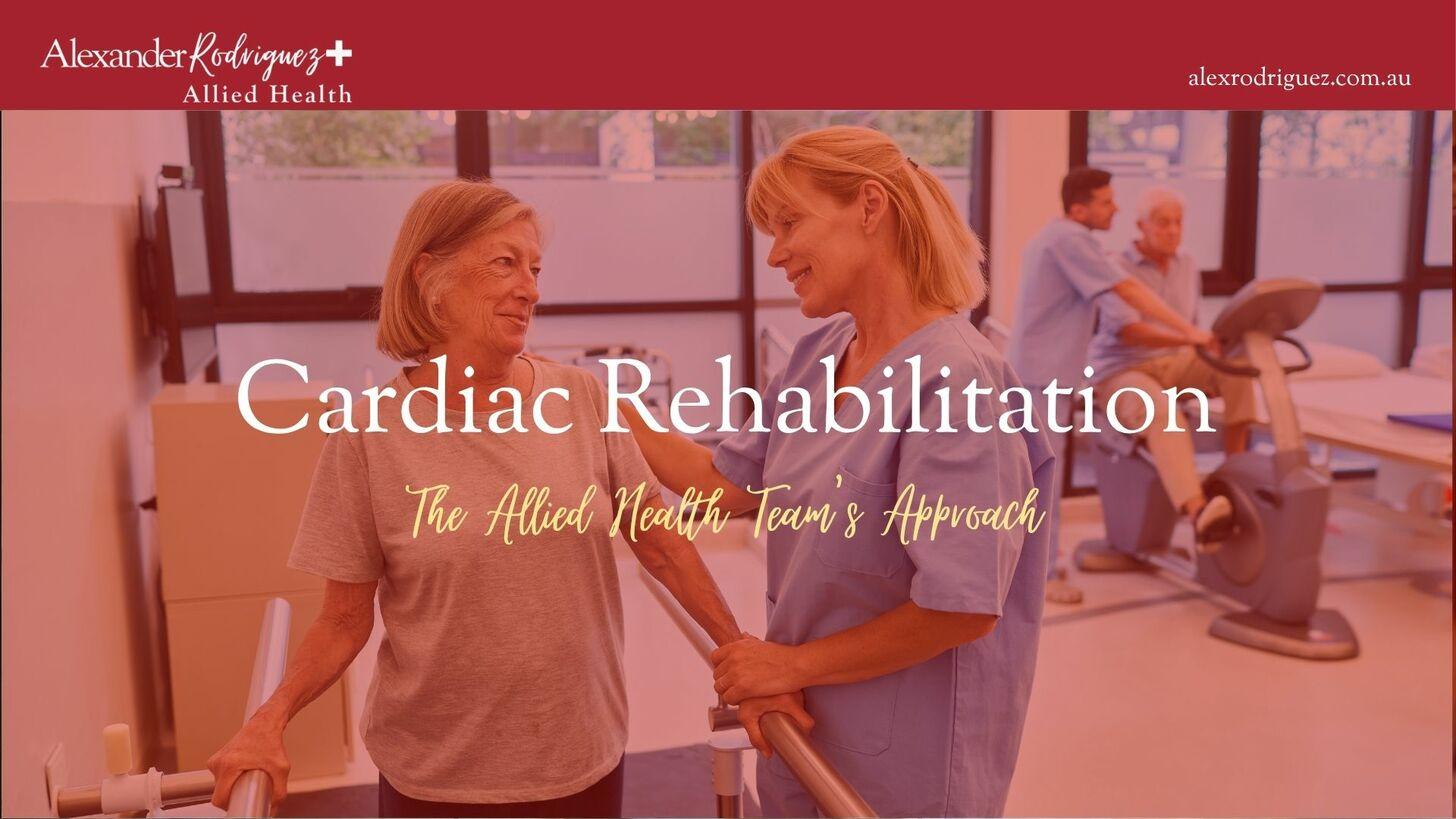
Cardiac Rehabilitation: The Allied Health Team’s Approach
Cardiac rehabilitation plays a vital role in recovery after a heart event, and the need for it has never been clearer. According to the Australian Institute of Health and Welfare, there were an estimated 57,100 acute coronary events, including heart attack and unstable angina, among Australians, which works out to around 156 events every single day.
Cardiovascular disease also remained a leading health concern, accounting for close to 1 in 4 deaths in 2024. If you or someone you love has recently experienced a cardiac arrest or another major heart event, you are far from alone, and the right support can make a genuine difference to how well you recover.
This is where an interprofessional allied health service can help. A team built around you, including professionals who guide cardiac rehabilitation exercises, alongside support such as occupational therapy, works together to strengthen both your body and your confidence. Rather than facing recovery on your own, you get access to coordinated care that looks at your physical health, your daily function, and your emotional wellbeing side by side. Taking part in a structured cardiac rehabilitation program supports better long-term heart health and helps you feel steady and supported as you work towards getting back to the things you love.
Ready to Take the Next Step?
Recovery is easier with the right support around you. Contact Alex Rodríguez to discuss how our cardiac rehabilitation program may help.
Call 0429 220 646, email info@alexrodriguez.com.au, or book a consultation online today.




Alexander Rodriguez
Seize the Day, Book an Appointment Today
Reach out anytime. Book online, call us, or visit our office in person.
Key Takeaways
- Access a multidisciplinary team tailored to your specific recovery needs.
- Improve your heart health through structured exercise and education.
- Receive emotional support to help you navigate the recovery process.
- Learn practical strategies to manage your cardiovascular function daily.
- Enhance your overall quality of life with expert guidance and care.
Understanding the Role of Cardiac Rehabilitation in Your Recovery
Cardiac rehabilitation is a structured cardiac rehabilitation program designed to support you after a heart event, a cardiac arrest, or heart surgery. Rather than facing recovery alone, you’re guided by a team who understand what your body and mind have been through. The program is built around you, helping you rebuild strength, confidence, and a sense of control as you move towards everyday life again. Recovery is a gradual process, and this support is there to help you through it, not to rush you.
At the centre of this approach is a combination of supervised cardiac rehabilitation exercises and practical guidance on managing risk factors that affect your long-term heart health. As part of a broader allied health service, your care may also include occupational therapy, helping you adjust daily tasks and routines in a way that supports your recovery. Together, this team-based approach is designed to help you manage everyday activities with more ease, supporting a stronger, more confident return to the things that matter to you.
Step One: Getting Your Referral and Initial Assessment
Your journey through cardiac rehabilitation begins with a referral, usually organised by your cardiologist, GP, or hospital care team following a heart event, procedure, or diagnosis. This first stage, often called the clinical or inpatient phase, typically starts while you’re still in hospital, where your medical team monitors your condition and begins preparing you for the road ahead. Once you’re discharged, moving into outpatient care is an important next step, as this is where a structured cardiac rehabilitation program properly begins.
Before starting any exercises or therapy sessions, you’ll go through an initial assessment with your allied health team. This assessment looks at your current health, your medical history, any risk factors, and your personal goals for recovery. It’s an important part of the process, as it allows your team to build a plan that’s realistic, safe, and tailored specifically to you. Rather than following a generic program, your care is shaped around your own circumstances, your pace, and what matters most to you as you work towards feeling stronger and more confident again.
Consulting your GP or cardiologist
Start by talking to your General Practitioner or cardiologist. They are the first step in your rehabilitation journey. They will give you a referral to a local program. Clear communication with your doctor is key to ensure your team has all the necessary information.
Don’t be shy to ask about local programs. Your doctor can help pick a service that fits your needs and schedule. Getting this referral early keeps the momentum from your hospital stay.
What to expect during your first allied health service appointment
After your referral, you’ll meet with an allied health service provider. This meeting is supportive and informative. The team will assess your physical limits and health goals.
Expect a detailed review of your heart health, including blood pressure checks. They will also talk about your daily activities. This evaluation is essential for creating a safe, tailored therapy plan for you. The table below shows what you can expect during this first visit.
| Assessment Area | Purpose | Outcome |
|---|---|---|
| Medical History | Review recent events | Risk stratification |
| Physical Capacity | Test baseline movement | Safe exercise limits |
| Allied Health Service | Professional consultation | Tailored care plan |
| Goal Setting | Identify personal needs | Actionable milestones |
Step Two: Setting Personalised Goals with Your Care Team
Once your initial assessment is complete, the next step in your cardiac rehabilitation program is setting clear, personalised goals with your care team. Rather than following a one-size-fits-all plan, your goals are shaped around your own health, lifestyle, and what recovery looks like for you. This gives you a clear roadmap to work towards, helping you stay motivated and focused as you move through each stage of your recovery.
Goal setting in cardiac rehabilitation isn’t just about medical measures like blood pressure or fitness levels, though these matter too. It’s also about your quality of life, whether that’s returning to work, walking the dog, playing with grandchildren, or simply feeling more confident in your day-to-day activities. With specific, realistic targets in place, you and your care team can track your progress together over time, and adjust your plan as needed to make sure it continues to support you as your recovery develops.
Identifying your physical and emotional milestones
Your recovery is about both physical and mental wellbeing. You might aim for tangible physical milestones, like increasing your daily walking distance or improving your stamina during light exercise.
Just as important are your emotional milestones. These could be reducing anxiety, gaining confidence in your heart health, or feeling more comfortable in your daily routines.
Collaborating with the multidisciplinary team
You’ll work with a diverse team to make sure your goals fit your lifestyle and plans. This collaborative approach means every part of your care is tailored to you.
Your team includes physiotherapists, dietitians, and psychologists. They help turn your personal goals into achievable steps.
| Goal Category | Example Milestone | Primary Benefit |
|---|---|---|
| Physical | Walking 30 minutes daily | Improved cardiovascular fitness |
| Emotional | Reduced stress levels | Better mental resilience |
| Functional | Returning to light gardening | Increased independence |
Step Three: Engaging in Safe Cardiac Rehabilitation Exercises
Exercise can feel daunting after a heart event, and that’s completely understandable. The good news is that cardiac rehabilitation exercises are designed with your safety as the top priority, closely supervised by professionals who monitor your heart rate, blood pressure, and overall response throughout each session. Rather than being left to guess what’s safe, you’re guided step by step, with your program adjusted as your strength and confidence grow.
These exercises are a core part of cardiac rehabilitation, helping to gradually build your endurance, support your heart’s function, and improve your overall fitness over time. Sessions usually combine supervised aerobic activity, such as walking or cycling, with light strength-based exercises, all tailored to your current ability and medical history. As you progress through your program, many people find they’re able to return to everyday activities, hobbies, and routines with a greater sense of confidence and control over their recovery.
Starting with low-intensity movement
Your journey starts with gentle, low-intensity activities. These activities are designed to safely get your blood flowing. Common activities include brisk walking or light cycling.
It’s more important to be consistent than to push too hard at first. Steady, rhythmic movement helps your heart adapt slowly. This is key to effective cardiac rehabilitation.
Monitoring your heart rate and exertion levels
Learning to listen to your body is crucial. Your team will teach you to use the Rate of Perceived Exertion (RPE) scale. This helps you stay in a safe zone for fitness.
You’ll also learn to check your pulse to keep it in a target range. Keeping a log of your activities and feelings helps your next check-up.
Safety precautions for home-based activity
Exercising at home can make you worry about safety. But cardiac rehabilitation is very safe. Studies show only one cardiac arrest per 111,996 exercise hours. Always warm up and avoid extreme temperatures to stay safe at home.
| Activity Level | Intensity Description | Physical Signs |
|---|---|---|
| Low | Easy movement | Able to hold a full conversation |
| Moderate | Noticeable effort | Can speak in short sentences |
| High | Challenging | Cannot speak comfortably |
If you feel chest pain, dizziness, or can’t breathe, stop right away. Keep your phone close and let someone know you’re exercising. These steps help your progress stay safe and steady.
Step Four: Nutritional Guidance for Heart Health
What you eat plays a significant role in your recovery, working alongside your cardiac rehabilitation exercises to support your heart health from the inside out. Good nutrition helps your body repair itself, maintain steady energy levels, and manage risk factors such as cholesterol, blood pressure, and weight, all of which matter for long-term heart health. As part of your cardiac rehabilitation program, you may receive general guidance on eating patterns that support recovery, alongside referral to a dietitian or nutrition specialist where appropriate.
Rather than a strict or one-size-fits-all diet, the focus is usually on practical, sustainable changes you can build into everyday life, such as eating more vegetables, choosing healthier fats, and reducing processed foods where possible. Your care team can help you understand how nutrition fits into your broader recovery plan as part of a wider allied health service, working alongside your exercise program and other support. Making these adjustments gradually, with guidance, can help you feel more in control of your health as you continue your recovery journey.
Working with a dietitian to manage cholesterol and blood pressure
A dietitian is a key part of your healthcare team. They make sure you eat well with actionable, delicious meal plans that fit your needs. They focus on foods that are good for your heart, like healthy fats and fibre.
They help you eat right for your cardiac rehabilitation exercises without getting tired. They teach you how to read food labels and avoid bad stuff like hidden salts or sugars. This helps keep your heart healthy and strong.
Practical tips for heart-healthy Australian meal planning
Eating well for your heart doesn’t mean giving up taste. You can make your favourite dishes healthier by choosing fresh, local ingredients and lean proteins. Add more legumes, whole grains, and omega-3-rich fish to your diet.
Small changes can make a big difference. Here’s a table to help you make better choices at the grocery store:
| Food Category | Common Choice | Heart-Healthy Swap | Benefit |
|---|---|---|---|
| Cooking Fats | Butter | Extra Virgin Olive Oil | Reduces saturated fat |
| Snacks | Salted Nuts | Raw, Unsalted Almonds | Lowers sodium intake |
| Proteins | Processed Deli Meat | Grilled Chicken Breast | Supports muscle repair |
| Grains | White Bread | Wholegrain Sourdough | Increases fibre content |
By making these simple changes, you help your heart stay healthy. Remember, being consistent is important. Your dietitian will support you as you balance your diet with your cardiac rehabilitation exercises.
Step Five: Managing Stress and Mental Wellbeing
Recovering from a heart event isn’t just physical; your mental wellbeing matters just as much. It’s completely normal to feel anxious, low, overwhelmed, or unsure of yourself during this time, and these feelings are a valid part of the recovery process, not a sign that something is wrong with you. Your care team understands that emotional wellbeing and physical recovery are closely connected, and that how you’re feeling can genuinely affect your progress through cardiac rehabilitation.
As part of a well-rounded allied health service, support for stress and mental wellbeing may be included alongside your physical recovery, whether through counselling support, practical coping strategies, or simply having space to talk through what you’re experiencing. Occupational therapy can also play a role here, helping you adjust daily routines in ways that reduce stress and support a steadier sense of normalcy as you heal. You’re not expected to manage this alone, and reaching out for support is a strength, not a setback.
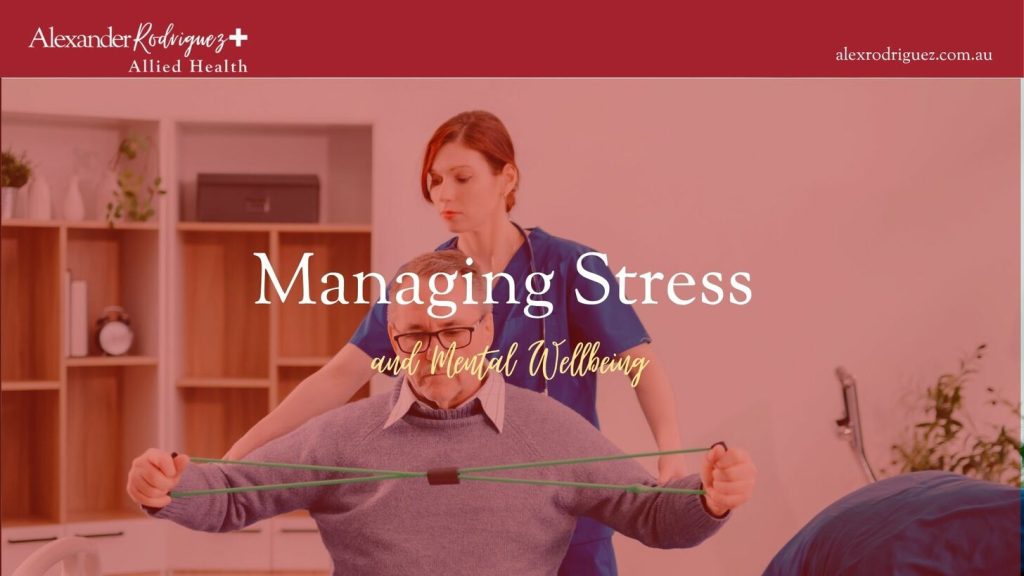
The role of psychologists in your cardiac recovery
Psychologists are key to your recovery team. They offer a safe place to deal with the emotions after a big health event. Studies by Milani et al. show that psychological support can lower depression in heart event patients.
Working with a professional can help you find healthy ways to cope. They guide you through the “new normal” and help you become stronger. You don’t have to face these feelings alone, as your emotional health is a priority for your team.
Techniques for managing anxiety after a cardiac arrest
Having a cardiac arrest can be scary, and worrying about your health is common. You can take back control with techniques that calm your mind. Simple things like deep breathing, mindfulness, and regular exercise can really help reduce stress.
The table below shows some ways to take care of your wellbeing:
| Strategy | Primary Benefit | Application |
|---|---|---|
| Mindfulness Meditation | Reduces immediate stress | Daily 10-minute sessions |
| Graded Exercise | Builds confidence after cardiac arrest | Supervised movement |
| Cognitive Reframing | Lowers anxiety triggers | Working with a psychologist |
| Support Groups | Decreases social isolation | Weekly peer meetings |
Remember, patience is key in your recovery. Taking small steps towards mental health can help your physical health too. If you’re struggling with anxiety, always talk to your GP or cardiac nurse.
Step Six: Occupational Therapy for Daily Living
Getting back to your everyday life after a heart event often starts with small, practical changes, and this is where occupational therapy plays an important role. Rather than focusing purely on medical recovery, occupational therapy looks at how you manage daily tasks at home, such as showering, dressing, cooking, or moving around safely, and works with you to make these activities feel more manageable and less draining on your energy and confidence.
As part of a broader allied health service, your occupational therapist works alongside the rest of your cardiac rehabilitation team, helping you pace yourself, conserve energy, and gradually rebuild independence without putting unnecessary strain on your heart. This might include practical strategies for managing fatigue, adjusting your home environment, or planning your day in a way that supports both recovery and quality of life. The goal is to help you feel confident and comfortable in your own home again, at a pace that suits you.
Adjusting your home environment for energy conservation
Your home should be a place of rest, not stress. An occupational therapy specialist can show you how to save energy. They might suggest rearranging your kitchen to avoid bending or reaching.
Adaptive equipment can also help a lot with daily tasks. Tools like long-handled reachers or shower chairs make things easier. These changes help you conserve your energy for what’s important.
| Task | Traditional Method | Energy-Saving Strategy |
|---|---|---|
| Laundry | Carrying heavy baskets | Using a trolley or cart |
| Cooking | Standing for long periods | Sitting on a high stool |
| Cleaning | Deep scrubbing | Using long-handled tools |
Returning to work and hobbies safely
Going back to work and hobbies is a big step in your recovery. It’s key to have a structured plan to avoid overworking your heart. Your care team will help you increase your activities slowly.
Begin by breaking down work tasks into smaller parts. For hobbies like gardening or sports, start with short sessions. Listening to your heart is the best way to stay safe while enjoying your life again.
Step Seven: Understanding Your Medications and Monitoring
Managing your medications correctly is an important part of your cardiac rehabilitation program, supporting your heart as it heals and helping to reduce the risk of future complications. Your cardiologist or GP will prescribe and manage any medications you need, and it’s important to take these as directed and raise any questions or side effects with them directly, since medication decisions sit with your prescribing doctor rather than your allied health team.
Alongside this, ongoing monitoring is a normal part of cardiac rehabilitation, with your care team tracking your blood pressure, heart rate, and overall progress throughout your program. This regular check-in process helps your team understand how you’re responding to treatment and adjust your rehabilitation plan where needed. Understanding why each medication matters and how monitoring fits into your recovery can help you feel more informed and confident as you move through this process, working in partnership with your healthcare providers.

Pharmacist support in your cardiac rehabilitation program
Your local pharmacist is a valuable resource for your medication routine. They teach you about each tablet and why you need it. This knowledge prevents drug interactions that could slow your progress.
For those on multiple medications, a medication management plan is helpful. Pharmacists can set up blister packs or reminders to help you stay on schedule. This keeps your treatment on track and gives you peace of mind.
Recognising warning signs and when to seek help
It’s important to watch your body closely, just like taking your medicine. Learn to spot small health changes that might mean you need to see a doctor. Always listen to your body if you feel tired, dizzy, or have chest pain.
Knowing the difference between normal recovery symptoms and urgent ones is key. If you feel like you did during a cardiac arrest, don’t wait. Call emergency services right away if you notice:
- Sudden or severe shortness of breath.
- Pain or pressure in the chest that does not subside.
- Fainting or feeling lightheaded for no clear reason.
- Rapid or irregular heartbeats that cause distress.
Clear communication with your doctor is crucial for your safety. Keep a log of your daily symptoms and any side effects. Sharing this during check-ups helps your team tailor your care for the best results.
Step Eight: Building Long-Term Lifestyle Habits
You’ve put in real work to get to this point, and this final step is about carrying that progress forward. Rather than treating cardiac rehabilitation as something that ends, this stage focuses on turning what you’ve learned, whether that’s exercise, nutrition, stress management, or medication routines, into lasting habits that continue to support your heart for years to come.
Consistency is what helps your progress stick. Many people find it helpful to stay connected with their allied health team even after their formal cardiac rehabilitation program finishes, whether through periodic check-ins, community-based exercise groups, or ongoing support as new challenges come up. Building these habits into your everyday life, at a pace that feels sustainable, is one of the most effective ways to protect your long-term heart health and continue living well.
Transitioning from supervised sessions to independent exercise
Stepping away from a clinical setting might seem scary, but it shows you’re getting stronger. You’re now ready to lead your own fitness journey. This means self-monitoring your heart rate and how hard you’re working during every exercise. Always stay within the safe zones you learned in your formal program.
Being consistent is key to lasting success. Try to exercise at the same time every day to make it a habit. Always tell your GP or specialist about your exercise routine. Ongoing medical supervision is crucial for your long-term heart health.
Maintaining social connections and support groups
Recovery is easier when you’re not alone. Connecting with others who have faced similar health issues can offer invaluable emotional support and motivation. Whether it’s a local walking group or an online forum, these groups help you feel less isolated.
Sharing your journey with others lets you celebrate small victories and face challenges together. These social connections are as important as your physical exercise for your overall wellbeing. By staying active in your community, you strengthen the positive habits from your cardiac rehabilitation and build a strong support network for the future.
Step Nine: Navigating the Australian Healthcare System
Understanding how cardiac rehabilitation fits within the Australian healthcare system can make it easier to access the support you need. In Australia, cardiac rehabilitation programs are available through public hospitals, community health services, and some private providers, with referrals typically coming from your cardiologist, GP, or hospital care team. Despite strong evidence that these programs support recovery, research shows that only around 20% to 50% of eligible patients in Australia actually participate in a cardiac rehabilitation program, meaning a significant number of people miss out on support that could genuinely help their recovery.
There are a few reasons uptake remains low, including limited program availability in some areas, work or family commitments, transport difficulties, or simply not knowing what options are available. Understanding your options, including outpatient hospital programs, community-based services, and allied health providers offering tailored support, can help you find a pathway that fits your circumstances. If you’re unsure where to start, speaking with your GP, cardiologist, or an allied health service directly can help clarify what’s available to you locally and how to access it.
Accessing public versus private rehabilitation services
Public hospital services are free, making them easy to access. These programs are run by teams in the hospital where you first got care. Public services are great for ongoing care, but wait times can vary.
Private services offer more flexibility and a personal touch. They might have shorter wait times. The right cardiac rehabilitation program depends on your needs, location, and budget.
Utilising Medicare and private health insurance benefits
Your GP is key in planning your finances. They can set up a Chronic Disease Management Plan. This plan helps you get Medicare rebates for allied health services, cutting costs. Always ask your doctor about this plan for your recovery.
If you have private health insurance, check if it covers rehab services. Many insurers offer rebates for physio or exercise sessions in your cardiac rehabilitation program. Using Medicare and private insurance together can help you afford quality care.
Conclusion
Your journey towards better heart health doesn’t end when your formal cardiac rehabilitation program finishes; it continues in the everyday choices you make from here on. Whether your recovery began after a cardiac arrest, a heart procedure, or another heart event, cardiac rehabilitation has equipped you with practical tools to support your physical, emotional, and nutritional wellbeing moving forward.
Recovery is an ongoing process, not something that happens overnight, and that’s completely normal. Staying consistent with your cardiac rehabilitation exercises, alongside the practical strategies you’ve built through occupational therapy, can help you continue managing daily life with confidence and ease. Your allied health service team remains a valuable source of support as you continue to adapt, whether that means fine-tuning your exercise routine, managing stress, or simply checking in on how you’re progressing.
Being kind to yourself and staying consistent with your heart-healthy habits is one of the most valuable things you can do for your long-term wellbeing. If you’d like guidance, support, or a fresh perspective on your recovery at any stage, reaching out to your local allied health service is a good place to start. Your heart, and your overall wellbeing, deserve ongoing care and attention as you continue moving forward with confidence.
Ready to Take the Next Step?
Recovery is easier with the right support around you. Contact Alex Rodríguez to discuss how our cardiac rehabilitation program may help.
Call 0429 220 646, email info@alexrodriguez.com.au, or book a consultation online today.