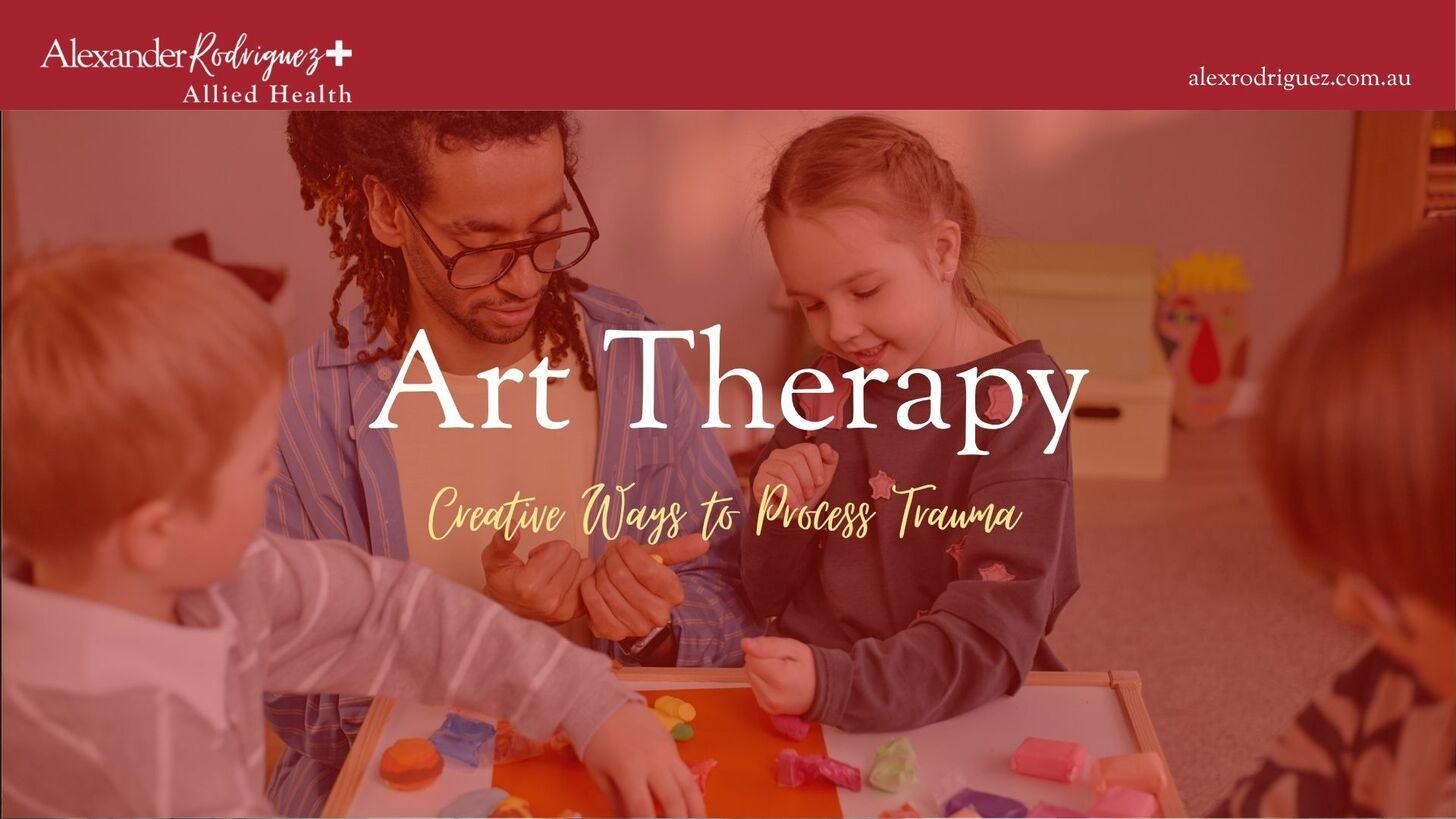
Art Therapy: Creative Ways to Process Trauma
Art therapy can be one of the gentlest and most effective ways to help your child work through big emotions, especially after a hard or traumatic experience. According to the Australian Institute of Health and Welfare (AIHW), an estimated 314,000 children aged 4 to 11 across Australia, almost 14%, experience a mental disorder, with anxiety among the most common conditions affecting young people today.
If you have ever wondered what is art therapy and how it fits into your child’s wellbeing, it is a form of psychological therapy that uses creative activities like drawing, painting, and sculpting to help kids express feelings they may not yet have the words for. As part of a broader allied health service, art therapy offers a calm, low-pressure way to process trauma, build coping skills, and feel understood.
When your child struggles to talk about what they are feeling, art therapy activities can open a door that words alone cannot. These sessions are often used alongside a psychology service or counselling, helping children manage stress, sadness, or fear in a way that feels safe and age-appropriate. The benefits of art therapy go beyond creative play. It can support mental health, including feelings of worry and low mood, and it is increasingly used as part of art therapy for anxiety in children who find it hard to sit still and talk through emotions the traditional way. If your family is in Sydney, understanding these options early can help you find the right support and give your child practical tools to build resilience, one creative step at a time.
If your child is going through a difficult time and you feel art therapy for children could offer some support, you do not have to work it out alone. Book a consultation with Alex Rodríguez to talk through the right kind of support for your child’s needs, whether that is art therapy, psychology, or another form of personalised allied health support. You can call 0429 220 646, email info@alexrodriguez.com.au, or book online through our booking page to enquire about available services.




Alexander Rodriguez
Seize the Day, Book an Appointment Today
Reach out anytime. Book online, call us, or visit our office in person.
Key Takeaways
- Art therapy uses drawing, painting, and creative activities to help children express emotions they can’t put into words.
- It offers a safe, non-verbal way for kids to process trauma at their own pace.
- Trauma often shows up as behaviour or mood changes, not words.
- A calm, judgement-free space helps children feel safe during art therapy activities.
- Art therapy supports emotional regulation and coping skills, helping with art therapy for anxiety and art therapy for mental health.
Understanding the Role of Art Therapy
When words are not enough to explain how a child is feeling, art therapy can step in as a gentle bridge to healing. You might find yourself wondering, what is art therapy exactly? It is a form of psychological therapy that uses creative activities such as drawing, painting, and sculpting to support a child’s emotional wellbeing. Many children find it hard to share deep or painful feelings through words alone, and talk-based approaches can sometimes feel confronting or overwhelming, especially for younger children or those who have been through a difficult experience. Art therapy offers another way in, allowing them to express what they are feeling without needing to explain it out loud.
In a safe and supportive space, your child can explore their emotions at their own pace, using simple art therapy activities like drawing, painting, or clay work to bring feelings to the surface that might otherwise stay hidden. This process can help your child turn confusing or overwhelming experiences into something they can see, understand, and begin to work through. The benefits of art therapy go beyond creative play, supporting mental health, including low mood, worry, and emotional overwhelm, and offering a practical option for art therapy for anxiety in children who find it hard to sit still and talk through their feelings. Often used alongside a psychology service, counselling, or other allied health service support, art therapy does not replace these approaches. It works alongside them, giving your child more than one way to feel heard, supported, and understood.
What is art therapy?
You might ask, what is art therapy? It’s a way to help people feel better using art. It uses drawing, painting, and sculpting to support mental health.
This method doesn’t just use talking. It lets children express themselves through art. It’s a safe space for them to explore their feelings.
Why creative expression helps young minds
Creative expression is key in art therapy. It lets them show feelings without words. This is especially helpful for kids who struggle to talk about their feelings.
Through art, children can start to learn how to cope. It helps them deal with hard emotions in a way that feels right for them.
| Feature | Traditional Talk Therapy | Art Therapy |
|---|---|---|
| Primary Method | Verbal communication | Visual and tactile media |
| Emotional Access | Direct questioning | Symbolic expression |
| Pressure Level | High (requires vocabulary) | Low (focus on process) |
| Best For | Logical processing | Trauma and sensory regulation |
In the end, art therapy connects a child’s inner world to the outside. It helps them take charge of their healing in a way that feels natural and supportive.
Recognising Signs of Trauma in Children
Spotting the signs of trauma in your child is an important step towards their healing, even though it is not always easy to know what you are looking for. Children often cannot explain their pain in words, so it tends to show up through changes in their behaviour, mood, or daily habits instead. You might notice your child becoming more withdrawn, clingy, or easily upset, or see changes in their sleep, appetite, or concentration. Some children become irritable or have sudden outbursts of anger, while others regress to younger behaviours, avoid certain places or people, or complain of physical symptoms like headaches or stomach aches with no clear medical cause. These signs do not always mean your child has experienced trauma, but they can be a sign that your child is struggling and may benefit from some extra support.
If you notice these changes, it is worth remembering that these are not something to diagnose on your own, and a conversation with a qualified professional can help you understand what your child needs. This is where art therapy can play a helpful role. As a form of psychological therapy, art therapy offers a gentle way for kids to process what they are feeling when they are not yet able to put it into words. Through simple art therapy activities, children can begin to express and work through difficult emotions in a safe, non-verbal way. The benefits of art therapy include supporting art therapy for mental health concerns such as low mood and emotional overwhelm, and it is often used as part of art therapy for anxiety in children who find it hard to talk about what is bothering them. Alongside a psychology service or other allied health service support, art therapy can be one part of helping your child feel safe, understood, and supported as they heal.
Common emotional and behavioural indicators
Your child might pull back or lose interest in favourite activities. Heightened anxiety is common when they face triggers from the past. These signs show their mind is trying to deal with tough experiences.
Look out for sleep problems, sudden anger, or steps backward in growth. Every child is different in how they handle trauma. Watching for these signs helps you offer the gentle support they need to feel safe.
When to look for professional psychology services
While creative activities at home can help, sometimes you need expert help. If your child’s symptoms persist or affect school and home life, it’s time to seek help. Talking to a psychologist can be a safe place for them to talk about their feelings.
Getting your child into professional psychological therapy can help a lot. Art therapy is especially good for kids with PTSD. By getting help early, you help your child build resilience and improve their emotional health.
Preparing a Safe Creative Space
Creating a safe and predictable space is a key part of getting the most out of art therapy. A dedicated area, even a small corner of a room, gives your child a sense of structure and consistency that can help them feel calm and ready to create. Children often feel more grounded when they know what to expect, so keeping the same space, materials, and general routine each time can make a real difference. This does not need to be anything elaborate. A table with paper, crayons, paint, or clay, free from distractions and interruptions, is often enough to help your child settle in and feel comfortable exploring their thoughts and feelings.
Just as important as the physical space is the emotional environment you create around it. Your child needs to feel that this is a place without judgement, where there is no right or wrong way to create, and where their feelings will be met with patience and acceptance. This sense of safety is part of what makes art therapy effective as a form of psychological therapy, allowing children to open up in ways they may not be able to elsewhere. Simple art therapy activities, such as drawing how they feel or creating something that represents a difficult day, can become easier and more meaningful once your child feels secure. Over time, this consistency and safety support the benefits of art therapy, including art therapy for mental health and art therapy for anxiety, and can work well alongside guidance from a psychology service or other allied health service as part of your child’s broader wellbeing support.
Setting up a calming environment at home
Choose a quiet, clutter-free spot in your home for this. A space without distractions helps your child focus. Soft lighting and comfy seating can make it feel even more calm and safe.
Keep art supplies organised and easy to find. This makes it simple for your child to start creating. It builds a positive association with the space, showing it’s for healing and discovery.
Establishing boundaries for emotional safety
Clear boundaries are crucial for art therapy. Tell your child this space is a judgment-free zone. This lets them express their feelings without fear.
Keeping these boundaries helps the creative process stay therapeutic. Use the table below to set up your home for these sessions.
| Feature | Goal | Implementation |
|---|---|---|
| Location | Privacy | Choose a low-traffic room |
| Lighting | Comfort | Use warm, natural light |
| Supplies | Accessibility | Keep tools within reach |
| Boundaries | Safety | Define as a non-judgmental zone |
Your role is to be a supportive guardian of this space. Consistently upholding these boundaries gives your child the stability they need. This thoughtful setup helps them grow emotionally through art therapy.
Step-by-Step Art Therapy Techniques for Processing Trauma
When a child cannot find the words for their pain, art can help bridge the gap towards healing. Art therapy offers a safe, structured space for kids to explore difficult feelings without needing to explain them out loud. Techniques often start simply, such as free drawing, where your child draws whatever comes to mind without any set theme, giving them room to express emotions at their own pace. From there, art therapy activities may include feelings charts drawn as colours or shapes, safe place drawings where your child creates an image of somewhere they feel calm and secure, or storytelling through pictures, where a sequence of drawings helps them work through a difficult memory or experience in stages they can manage.
Sessions are usually guided by a qualified professional who adjusts the approach to suit your child’s age, personality, and needs, since every child processes trauma differently. Consistency and patience matter more than moving quickly through techniques, and progress can look different for every child. As part of a broader psychological therapy approach, this step-by-step process is designed to support art therapy, including art therapy for anxiety, by helping children build emotional awareness and coping skills over time.
Step 1: Establishing a non-judgmental connection
Building a strong, trusting bond is key. You need to make your child feel completely safe to express themselves freely. These art therapy techniques focus on being present, not perfect, to make your child feel valued.
Step 2: Using drawing to externalise difficult feelings
Drawing lets kids turn their feelings into something tangible. Through art therapy activities, they can express fears or sadness. This helps them see their emotions and talk about them.
Step 3: Clay modelling for sensory regulation
Clay helps kids feel grounded when they’re anxious. The act of shaping clay provides essential sensory input. It helps them reconnect with their bodies and find calm.
Step 4: Storytelling through collage and mixed media
Collage and mixed media let kids tell their stories through symbols and images. By mixing textures and pictures, they create a visual story. This art therapy helps them regain control over their narrative and build resilience.
| Art Medium | Primary Benefit | Best For |
|---|---|---|
| Drawing | Externalisation | Identifying specific emotions |
| Clay | Sensory Regulation | Reducing physical anxiety |
| Collage | Narrative Building | Processing complex life events |
Choosing the Right Materials for Emotional Expression
Choosing the right supplies plays a big part in making art therapy activities enjoyable, calming, and easy for your child to engage with. Materials that feel good to touch and use, such as soft crayons, chalk pastels, finger paints, or modelling clay, can help create a sense of comfort and safety during art therapy. Some children feel more settled with materials that are easy to control, like coloured pencils or markers, while others benefit from messier, more tactile options like paint or clay, which can help release feelings that are harder to put into words. There is no single right choice. What matters most is offering a small range of accessible materials that your child feels drawn to, without overwhelming them with too many options at once.
The goal is not to create a polished piece of art, but to give your child a comfortable way to explore and express what they are feeling. Simple, open-ended materials often work best, since they do not require any particular skill and allow your child to lead the process in a way that feels natural to them. This approach supports the wider aims of art therapy as a form of psychological therapy, helping children process emotions at their own pace within a safe and predictable space.
Selecting sensory-friendly art supplies
Using sensory-friendly supplies helps regulate your child’s nervous system. Soft pastels, clay, and textured papers provide a grounding feeling during tough times.
These materials let children express complex feelings without needing words. By choosing gentle-on-the-senses supplies, you help them connect deeply with the creative process and avoid frustration.
Adapting tools for different developmental stages
It’s also crucial to adapt tools for your child’s developmental stage. Younger kids might like chunky crayons or big brushes, while older kids might prefer fine-liner pens or watercolours.
Tools that match their abilities make them feel capable and confident. This thoughtful approach to art therapy activities lets your child focus on their feelings, not the tools.
Watch how your child reacts to different items to find what comforts them most. By creating a toolkit that balances emotional safety with creative freedom, you support their healing journey.
Supporting Your Child Through the Creative Process
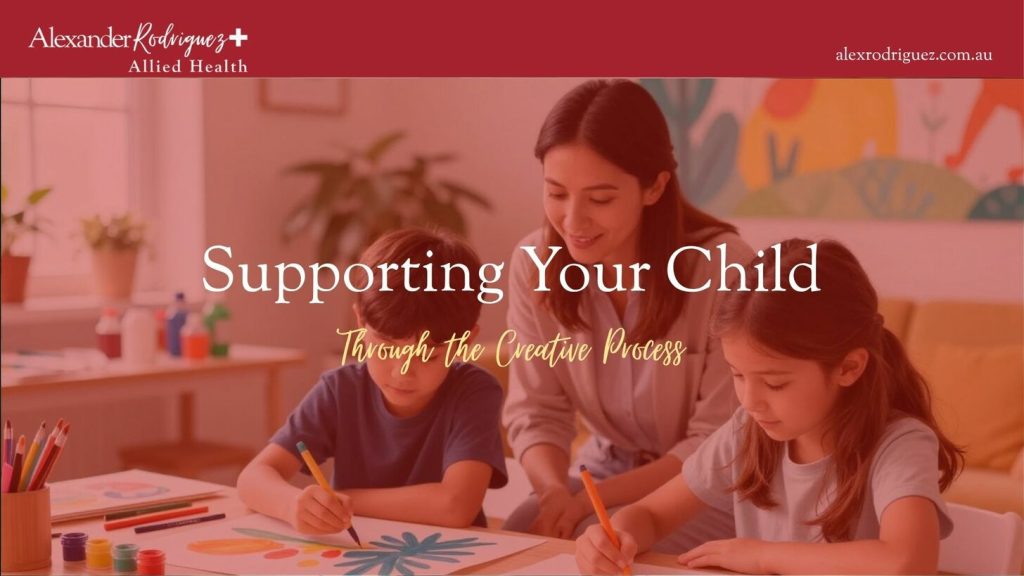
When your child takes part in art therapy, the support you offer at home matters just as much as the sessions themselves. You do not have to be an artist or a therapist to help. What your child needs most is a parent or carer who can create a safe, non-judgemental space where they feel free to express themselves without fear of being corrected or criticised. This might mean sitting quietly nearby while they create, avoiding questions like “what is that supposed to be,” and letting them lead the process in their own time and their own way.
Your role is to be present, patient, and accepting, rather than to interpret or fix what your child creates. Some days they may want to talk about their artwork, and other days they may not, and both responses are okay. This kind of steady, low-pressure support helps reinforce the safety that makes art therapy effective as a form of psychological therapy, allowing your child to keep exploring their feelings between sessions as well as during them. Simple encouragement around art therapy activities at home, alongside professional guidance from a psychology service or wider allied health service, can help support ongoing art therapy for mental health and art therapy for anxiety, giving your child consistent care as they work through what they are feeling.
Active listening and validation techniques
Active listening is more than just hearing words. It’s about seeing the emotions behind the art. Sit quietly and give your full attention when your child is creating.
Instead of asking “What is that?”, say something like, “I notice you are using a lot of red here,” or “Tell me about how it feels to draw those lines.” This lets your child share their story in their own way. It shows them their feelings are valid and important.
How to respond to challenging artwork
Sometimes, the art from art therapy can be intense or dark. It’s okay to feel concerned, but stay calm and curious. Your job is to support their emotions, even when they’re hard to see.
If you see artwork that looks aggressive or sad, don’t criticise it. Ask gentle questions like, “That looks like a very strong feeling. Would you like to talk about it?” This empathetic response makes your child feel understood and safe to keep exploring their feelings.
Creating is often more important than the final art. By being supportive and patient, you help your child feel confident on their healing journey. Your consistent support is crucial for successful art therapy.
Benefits of Art Therapy for Mental Health and Anxiety
When children create, many find a natural rhythm in the process that can feel calming and grounding. Repetitive, hands-on activities like painting, drawing, or working with clay give the mind something steady to focus on, which can help ease feelings of stress or overwhelm in the moment. For a child who is anxious or carrying the weight of a difficult experience, this kind of focused, sensory activity can offer a welcome sense of relief and safety, even if only for a short while. Over time, this steady practice may support art therapy for anxiety, helping children build a greater sense of calm and control over their emotions.
The benefits of art therapy extend beyond the time spent creating. As a form of psychological therapy, art therapy gives children practical tools they can carry with them, including ways to notice, name, and express what they are feeling before it becomes too big to manage. For many children, this can support art therapy for mental health more broadly, including difficulties with low mood, worry, or emotional regulation. At Alex Rodríguez Allied Health, art therapy is offered alongside a wider psychology service and allied health service, working as one part of a broader, personalised approach to a child’s wellbeing rather than a standalone solution. Every child responds differently, and progress can look different for each family, so working with a qualified professional can help ensure the right kind of support is in place.
Reducing symptoms of anxiety through flow states
You might notice your child gets lost in a project. This state, called a flow state, is great for managing stress. It helps the brain move from being too aware to a calm, regulated state.
This change is a key benefit of art therapy for kids with anxiety. As they focus on the task, their physical tension fades. Regular art therapy for anxiety helps the brain learn to return to this calm state more easily.
Building resilience and self-esteem
These creative practices also build emotional strength over time. When a child finishes a piece of art, they feel a real sense of achievement. This boosts their self-esteem and shows them they can handle challenges with confidence.
The table below shows how different approaches help your child grow:
| Feature | Traditional Talk Therapy | Art Therapy |
|---|---|---|
| Primary Focus | Verbal processing | Sensory and visual expression |
| Engagement | Cognitive | Creative and physical |
| Outcome | Logical understanding | Emotional regulation |
| Suitability | Older children | All developmental stages |
By adding art therapy for mental health to your child’s routine, you give them a way to express their feelings without words. This empowering approach helps them healthily process their experiences.
When to Seek Professional Allied Health Support
When children create, many find a natural rhythm in the process that can feel calming and grounding. Repetitive, hands-on activities like painting, drawing, or working with clay give the mind something steady to focus on, which can help ease feelings of stress or overwhelm in the moment. For a child who is anxious or carrying the weight of a difficult experience, this kind of focused, sensory activity can offer a welcome sense of relief and safety, even if only for a short while. Over time, this steady practice may support art therapy for anxiety, helping children build a greater sense of calm and control over their emotions.
The benefits of art therapy extend beyond the time spent creating. As a form of psychological therapy, art therapy gives children practical tools they can carry with them, including ways to notice, name, and express what they are feeling before it becomes too big to manage. For many children, this can support art therapy for mental health more broadly, including difficulties with low mood, worry, or emotional regulation. At Alex Rodríguez Allied Health, art therapy for children is offered alongside a wider psychology service and allied health service, working as one part of a broader, personalised approach to a child’s wellbeing rather than a standalone solution. Every child responds differently, and progress can look different for each family, so working with a qualified professional can help ensure the right kind of support is in place.
Identifying the need for specialised intervention
Get expert help if your child’s distress lasts a long time or affects their daily life. Signs like acute emotional outbursts, not wanting to be with friends, or big changes in sleep and eating are warning signs.
Acting fast is crucial for better results later. If your child can’t control their feelings, even with your help, it’s time to see a professional. They can offer psychological therapy made just for them.
The role of psychosocial support services
Psychosocial support services offer a full plan for your child’s well-being. They mix creative activities with clinical strategies. This way, your child gets holistic support for their feelings and social growth.
Combining art therapy for mental health with other treatments creates a strong support system for your family. Working with a team ensures your child gets the right psychological therapy at every step of their recovery.
| Support Level | Primary Focus | Best For |
|---|---|---|
| Home-Based | Self-expression and bonding | Mild stress and daily regulation |
| Allied Health | Clinical goal setting | Moderate emotional challenges |
| Specialised Care | Acute symptom management | Severe or complex trauma |
How Alex Rodriguez Allied Health Can Assist Your Family
At Alex Rodríguez Allied Health, every family is met with care, patience, and a personalised approach to support. Whether your child is processing a difficult experience, managing anxiety, or simply needing a safe space to express how they feel, the focus is on creating an environment where your child feels heard, respected, and supported at their own pace. Art therapy is offered as part of a broader range of allied health services and psychology service options, allowing support to be shaped around your child’s specific needs rather than a one-size-fits-all approach.
Working with Alex Rodríguez means having access to psychological therapy that combines creative, practical, and compassionate methods, including art therapy activities designed to help children explore and process what they are feeling. The goal is not to rush your child through their emotions, but to walk alongside them and your family, offering art therapy for mental health and art therapy for anxiety support that is thoughtful, consistent, and tailored to your child. If you are looking for a safe and supportive space to help your child work through what they are experiencing, personalised support is available to guide that process.
Our range of allied health support services
We offer a wide allied health services to meet your child’s unique needs. Our skilled professionals provide Occupational Therapy services, Mental Health allied health support, and Psychosocial support services. This ensures your child gets the best care.
If your child needs Functional Capacity assessments or Emotional wellbeing support, we’re here. Our team uses proven methods to help your child manage their emotions with confidence.
Accessing behaviour and lifestyle support
We also focus on Behaviour and lifestyle support to help your child succeed in everyday life. Our capacity-building supports are designed to boost independence and enhance quality of life.
Our Community participation support helps your child connect with the world. This ensures all aspects of your child’s growth are supported by our psychology service.
Contacting Alex Rodriguez Allied Health
Ready to talk about how we can help your family? Contact our friendly team. Call us at 0429 220 646 with any questions.
Booking your appointment
Booking is easy through our online booking portal. Just visit https://www.alexrodriguez.com.au/booking/ to pick a time that suits you. We’re excited to work with you on this journey.
Conclusion
Art therapy can be a meaningful way to support children as they process trauma and build emotional strength over time. By making creative expression part of your child’s routine, you give them a safe way to explore their feelings and better understand their own inner world. Healing is rarely quick, and it looks different for every child, but each small step your child takes through creative expression is a step towards feeling more understood and supported.
You do not have to navigate this alone. If you feel your child could benefit from extra support, personalised, compassionate care is available to help children explore and process what they are feeling. Taking the first step, whether that is trying a simple creative activity at home or reaching out for professional guidance, is a meaningful way to support your child’s emotional wellbeing and your family’s journey together.
If your child is going through a difficult time and you feel art therapy could offer some support, you do not have to work it out alone. Book a consultation with Alex Rodríguez Allied Health to talk through the right kind of support for your child’s needs, whether that is art therapy, psychology, or another form of personalised allied health support. You can call 0429 220 646, email info@alexrodriguez.com.au, or book online through our booking page to enquire about available services.