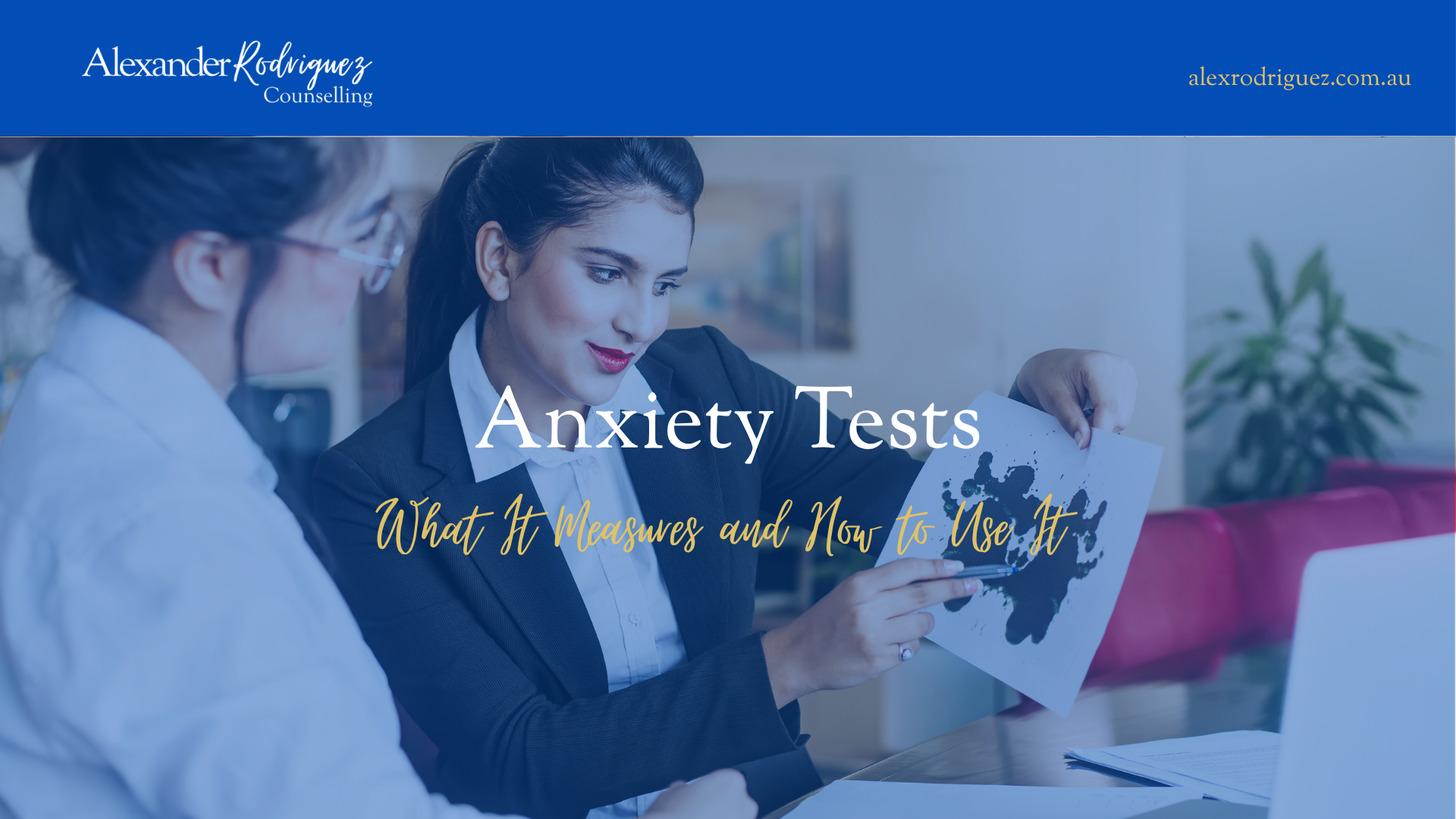
Anxiety Tests: What It Measures and How to Use It
Anxiety test can be a simple and practical way for you to understand what may be affecting your mental well-being. In Australia, anxiety is one of the most common mental health concerns. The Australian Bureau of Statistics’ National Study of Mental Health and Wellbeing found that around 22% of Australians aged 16 to 85 experience a mental health condition, with anxiety disorders affecting almost 17% of the population.
Using an anxiety screening tool, such as an anxiety quiz or anxiety test questionnaire, can help you reflect on your thoughts, emotions, and behaviours. These tools support an early anxiety assessment and may highlight concerns that are starting to interfere with your daily routine, work, or relationships
If worry, tension, or fear feels constant, an anxiety symptoms checklist can help you recognise when to see a therapist for anxiety. While a test on its own cannot give a diagnosis, it can guide your next step toward professional care. The Australian Institute of Health and Welfare reports that anxiety-related conditions are a leading reason Australians seek mental health services. Results from an anxiety test are often used as a starting point for anxiety counselling, where trained professionals provide guidance tailored to your needs. Through counselling and therapy, you can learn practical tools to manage anxiety, feel more in control, and improve your overall well-being.
At Alex Rodriguez, we know anxiety can feel overwhelming, and an anxiety test is often a helpful first step toward understanding what you are experiencing. Our anxiety counselling provides calm, professional support to help you manage symptoms and regain confidence. Call 0429 220 646 or book online and get the support you need.
Key Takeaways
- Mental health challenges are common, affecting many Australians every year.
- Assessment tools provide a clear starting point for your wellbeing journey.
- Identifying symptoms early allows for more effective and timely support.
- Gaining clarity on your emotional state is a vital step toward recovery.
Understanding the Purpose of an Anxiety Test
An anxiety test is designed to help you pause and reflect on how you are feeling emotionally and mentally. It works as a simple but effective self‑check, allowing you to identify patterns of worry, fear, or physical tension that may be affecting your daily life. Tools such as an anxiety screening tool, anxiety quiz, or anxiety test questionnaire often ask about your thoughts, behaviours, and stress levels over time. By reviewing your responses, you gain a clearer picture of whether what you are experiencing is a short‑term reaction to stress or something that may require a deeper anxiety assessment. These tools can also highlight common signs listed in an anxiety symptoms checklist, helping you recognise concerns that might otherwise be easy to dismiss.
Understanding the purpose of an anxiety test also helps you know when to see a therapist for anxiety. While these tools are not a diagnosis, they provide valuable insight that can guide your next step. Many people use their results as a starting point for anxiety counselling, where they can speak openly about their experiences and receive professional support. Through counselling, you can explore the underlying causes of anxiety, learn practical coping strategies, and build confidence in managing your mental health. Taking an anxiety test is not about labelling yourself, but about developing self‑awareness and choosing the right support for your wellbeing.
Common Components of an Anxiety Assessment
An anxiety assessment is designed to give you a clearer understanding of how anxiety may be affecting both your mind and body. Most assessments begin with an anxiety screening tool, which explores common emotional, physical, and mental responses to stress. This may include persistent worry, difficulty relaxing, changes in sleep, racing thoughts, or physical sensations such as muscle tension and restlessness. By examining these areas together, an anxiety test helps create a balanced picture of your overall well-being rather than focusing on one symptom alone.
A thorough anxiety assessment also looks at how often symptoms occur, how intense they feel, and how much they interfere with your daily life. This helps identify patterns, triggers, and underlying concerns that may otherwise be missed. While an assessment does not provide a diagnosis on its own, it plays an important role in guiding the next steps toward appropriate support and care, ensuring your mental health needs are properly recognised and addressed.
Physical Symptoms Evaluated
Your body often alerts you first when you’re feeling stressed. During an evaluation, you might talk about physical signs of anxiety or stress.
Common signs tracked in an anxiety symptoms checklist include:
- A racing or pounding heart.
- Persistent feelings of dizziness or lightheadedness.
- Unexplained muscle tension or aches.
- Changes in your sleep patterns or energy levels.
The GAD-7 is a well-known anxiety screening tool that measures these signs. It helps doctors quickly see how severe your symptoms are to find the best treatment.
Cognitive and Emotional Indicators
Your thoughts also play a big part in how you feel anxious. An anxiety assessment looks at your thoughts to understand your distress better.
You might find your mind stuck in worry loops or struggle to focus. These thought patterns are as important as physical signs in understanding your mental health.
Using an anxiety symptoms checklist helps you share these feelings clearly. By spotting emotional triggers, you can work with a professional to find tailored strategies for calm and control in your life.
How to Interpret Your Anxiety Quiz Results
Getting your anxiety quiz results can feel confronting, especially if the score suggests higher levels of stress or worry. It is important to remember that an anxiety quiz is a self‑assessment tool, not a diagnosis. The results simply reflect how often you have experienced certain feelings or behaviours over a recent period. They do not define who you are or predict how you will feel in the future. Instead, they offer insight into your current emotional state and how anxiety may be showing up in your daily life.
Your results are best understood as part of a broader anxiety assessment. Lower scores may suggest mild or situational anxiety, while higher scores may highlight ongoing concerns that deserve attention. Many quizzes are based on an anxiety symptoms checklist, which means your score can help you recognise patterns such as overthinking, physical tension, or difficulty relaxing. If your results raise concerns, they can be a useful guide for deciding when to see a therapist for anxiety. Sharing your results with a professional can support deeper conversations during anxiety counselling, where counselling can help you manage symptoms, build coping skills, and regain a sense of balance.
Distinguishing Between Normal Stress and Clinical Anxiety
Stress is normal, especially when you’re up against tight deadlines or big life changes. But clinical anxiety is different. It’s a long-lasting feeling that doesn’t go away.
When you look at your anxiety test questionnaire results, think about how these feelings affect you. Ask yourself these questions to tell normal stress from clinical anxiety:
- Does your worry feel constant and hard to control?
- Are you avoiding social situations or work tasks because of fear?
- Do physical symptoms like muscle tension or sleep problems get in the way of your day?
Normal stress usually goes away once the tough situation is over. But clinical anxiety sticks around and makes everyday tasks feel overwhelming.
Recognising When Scores Indicate a Need for Professional Help
Knowing when to see a therapist for anxiety is a big step towards a better life. Tools like the GAD-7 help measure your symptoms.
Studies show that a GAD-7 score of 10 or higher means you might have generalised anxiety disorder. If your scores are often in this range, it’s time to get help.
You don’t have to wait for a crisis to get help. If you notice your symptoms getting worse or your coping strategies aren’t working, talk to a professional. Anxiety that’s affecting your relationships or work is also a sign you need help.
Getting professional help shows you’re strong and care about your mental health. It’s a step towards managing your feelings better.
Limitations of Self-Administered Anxiety Screening Tools
Self‑administered tools, such as an anxiety screening tool or online anxiety test, can offer quick and helpful insights into your emotional well-being. They are useful for identifying common patterns of worry, stress, or nervousness and can highlight symptoms that may be affecting your daily life. However, these tools are not a full anxiety assessment and should not be viewed as a medical or clinical evaluation. They are designed to raise awareness, not to diagnose or explain the root causes of anxiety.
Most self‑guided tools, including an anxiety quiz or basic anxiety symptoms checklist, provide only a snapshot of how you feel at a specific point in time. They cannot account for personal history, current life stressors, physical health conditions, or the complexity of your experiences. Scores may also be influenced by how you interpret questions or how you are feeling on that particular day. For this reason, screening tools work best as a starting point. If results raise concerns or anxiety feels ongoing, they can help you decide when it may be time to seek professional support through anxiety counselling or further evaluation with a qualified therapist.
Why Online Tests Cannot Replace a Clinical Diagnosis
Getting a clinical diagnosis is more than just scoring a quiz. Professionals use their skills to check your symptoms against strict rules.
Just using a test misses out on the critical observation a therapist offers. They spot issues a quiz might miss.
- Tests can’t tell if physical health issues are causing anxiety.
- Automated results lack the empathy and support of a human chat.
- A pro can rule out other mental health issues needing different treatments.
The Importance of Context and Personal History
Your life story, past traumas, and current setting greatly affect your mental health. A computer can’t grasp the context of your daily life or your history.
Knowing when to see a therapist for anxiety is key to managing your well-being. A therapist will listen to your story and help you see how your past affects your symptoms today.
Working with a professional means more than just numbers. You get tailored strategies made just for you, to help you recover and keep your mental health strong.
Preparing for Your First Consultation
Preparing for your first consultation can feel like a big step, especially if anxiety has been affecting your daily life. Many people begin this process after completing an anxiety test, an anxiety quiz, which helps them reflect on what they are experiencing. You may find it useful to review your results from an anxiety test questionnaire, note any patterns from an anxiety symptoms checklist, and think about how anxiety is impacting your work, relationships, or wellbeing. This kind of preparation can support a more meaningful anxiety assessment during your first session and help clarify your goals.
Your initial consultation is also a space to explore when to see a therapist for anxiety and what type of support may suit you best. Whether you are seeking anxiety counselling for ongoing worry or looking for structured counselling to build coping strategies, you do not need to have everything figured out beforehand. Coming with honesty and openness is enough. Taking this step shows care for your mental health and can be the beginning of positive, lasting change.
What to Expect During Your Initial Assessment
Your therapist will create a safe and non-judgmental space during your first visit. This space lets you talk openly about your concerns without pressure. The main goal is to understand your situation and lay the groundwork for future sessions.
You’ll have a conversation where your thoughts are valued and respected. Your therapist will listen to your experiences to tailor support to your needs. Feeling comfortable is our main goal as we start this journey together.
Gathering Your Thoughts and Symptoms
It’s a good idea to gather your thoughts before you arrive. Writing down your symptoms can help make your first anxiety assessment productive. This ensures we focus on what’s most important to you.
Think about how these feelings affect your daily life or specific situations that cause stress. Being prepared makes you feel more at ease. Remember, there’s no right or wrong way to share your story. Every detail helps us support you better.
Exploring Evidence-Based Anxiety Counselling Approaches
Evidence‑based anxiety counselling uses structured, research‑supported methods to help you understand and manage anxiety in a practical and lasting way. Support often begins with an anxiety assessment, which may include an anxiety test, an anxiety screening tool, or an anxiety test questionnaire to better understand how anxiety shows up in your thoughts, emotions, and physical responses. These tools, along with an anxiety symptoms checklist, help identify patterns and triggers that influence your well-being. An anxiety quiz can also be used as an early reflection point, guiding conversations and shaping a clear therapeutic plan suited to your personal history and current challenges.
Through tailored counselling, evidence‑based approaches focus on building skills that support long‑term emotional regulation and resilience. This type of structured care helps clarify when to see a therapist for anxiety, especially when symptoms are persistent or interfering with daily life. By combining insights from assessment tools with professional guidance, anxiety counselling aims to reduce distress, improve coping strategies, and help you feel more in control. The goal is not just symptom relief, but meaningful progress toward improved mental health and overall well-being.
CBT for Anxiety and Depression
Cognitive Behavioural Therapy (CBT) is key for us. It helps you see and challenge negative thoughts that cause distress. Changing these thoughts can help you feel clearer.
CBT is great for managing anxiety and depression. You’ll learn to replace bad habits with healthier thoughts. This way, you can control your mental health better.
Emotional Regulation and Coping Support
Anxiety counselling also builds your emotional skills. It teaches you to manage your emotions better. These skills help you in everyday life, even after therapy.
Dealing with stress or tough situations is easier with the right tools. Anxiety counselling helps you become more resilient and kind to yourself. This way, you can face life’s challenges with confidence.
| Therapeutic Method | Primary Focus | Key Benefit |
|---|---|---|
| CBT | Thought Patterns | Cognitive Restructuring |
| Emotional Regulation | Stress Response | Increased Calmness |
| Coping Support | Daily Challenges | Improved Resilience |
Addressing Stress and Burnout Through Professional Therapy
Stress and burnout often develop gradually, which is why recognising early warning signs is so important. Ongoing exhaustion, irritability, difficulty concentrating, and constant worry can signal that your mental health needs attention. For many people, these symptoms overlap with anxiety, and tools such as an anxiety test or anxiety screening tool can help you reflect on whether stress has progressed into something more persistent. Understanding these signs early can prevent burnout from becoming overwhelming and support better emotional balance.
Professional counselling provides a safe, supportive space to explore these feelings without judgement. Through anxiety counselling, you can unpack the pressures contributing to stress and learn healthier ways to cope. Therapy also helps clarify when to see a therapist for anxiety, especially when work demands, personal responsibilities, or life changes begin to feel unmanageable. With the right support, it becomes possible to reduce emotional strain, rebuild resilience, and regain a sense of control over your wellbeing.
Identifying the Signs of Chronic Burnout
Burnout is more than just feeling tired. It’s a deep emotional, physical, and mental exhaustion. You might lose interest in activities you once loved. Simple tasks can feel like huge challenges.
Look out for these signs of chronic burnout:
- Persistent physical exhaustion that doesn’t get better with sleep.
- A growing sense of cynicism or negativity toward your work or personal life.
- Feeling ineffective or lacking a sense of accomplishment despite your best efforts.
- Increased irritability or emotional distance from friends and family.
Tailored Strategies for Recovery
At Alex Rodriguez Counselling, we know everyone’s journey is different. We help you craft a sustainable plan to tackle stress and burnout. Through counselling and therapy, you can start to rebuild your strength and find balance again.
We focus on giving you practical tools that fit your life. We help you spot triggers, set boundaries, and adopt self-care routines that work. By tackling these issues early, you can break the cycle of exhaustion and feel like yourself once more.
Navigating Life Transitions and Inner Conflict
Life transitions such as starting a new job, ending or beginning a relationship, becoming a parent, or facing unexpected change can naturally bring uncertainty and emotional tension. During these periods, you may notice increased worry, self‑doubt, or feeling caught between who you used to be and who you are becoming. For some people, these feelings overlap with anxiety, and using an anxiety test or anxiety screening tool can help you reflect on how deeply these changes are affecting your mental and emotional well-being. Moments of transition often challenge your sense of identity, but they can also provide important insight and personal growth.
If you feel stuck, conflicted, or overwhelmed, professional counselling can provide valuable support during these times. Through anxiety counselling, you can safely explore inner conflict, fears about change, and the pressure to adapt, without judgement. With the right support, navigating change becomes less about struggle and more about building clarity, resilience, and self‑understanding.
How Counselling Helps During Major Life Changes
Going through big life events can make you feel lost. Our approach helps you find your way again with more clarity and confidence.
Working with a professional can help you see what’s holding you back. Here are some key benefits of getting support during big changes:
- Gaining objective insights into your current situation.
- Developing resilient coping strategies for unexpected challenges.
- Building the confidence needed to embrace new opportunities.
Resolving Inner Conflict for Better Mental Health
Inner conflict happens when what’s outside doesn’t match what’s inside. Through counselling, you can work through these issues and move forward.
We help you see change as a chance for personal growth. By tackling these conflicts, you improve your mental health and overall well-being.
In the end, counselling and therapy empower you to live a truer life. You deserve to feel grounded, even when everything else is changing.
The Benefits of Online Therapy Sessions
Online therapy has changed how many Australians approach their mental health, making professional support more accessible and flexible. By choosing online counselling, you can attend sessions from the comfort of your home or any private space, reducing travel time and scheduling stress. This convenience is especially helpful if anxiety, workload, or family responsibilities make face‑to‑face appointments harder to manage. Online sessions still offer the same structured support and professional care, helping you stay focused on your wellbeing wherever you are.
For people experiencing ongoing stress or anxiety, online support can also feel less intimidating. Many begin their journey after completing an anxiety test or anxiety screening tool, and online therapy makes it easier to take that next step. Through online anxiety counselling, you can explore concerns, learn coping strategies, and build emotional resilience in a setting that feels safe and familiar. This flexibility allows you to prioritise your mental health while maintaining balance in your daily life.
Accessibility and Convenience for Australians
Australia’s size can make it hard to get quality care. Online platforms help by letting you talk to experts from home.
This flexibility is great if you’re busy with work or family. You don’t have to deal with traffic or travel, making it easier to fit in sessions.
Maintaining Consistency in Your Mental Health Journey
Consistency is key in counselling. Without the hassle of travel, you’re more likely to keep up with sessions.
Regular counselling becomes a normal part of your life. This way, you always have the support you need to face life’s challenges.
Integrating Depression Counselling with Anxiety Support
Understanding your mental health often means looking at the bigger picture, as anxiety and low mood frequently occur together. Many people experience constant worry alongside feelings of sadness, fatigue, or loss of motivation, and treating only one side can leave important issues unaddressed. Using an anxiety assessment, such as an anxiety test or anxiety screening tool, can help identify how anxiety is interacting with depressive symptoms. This broader awareness supports a more balanced approach to care, rather than viewing each concern in isolation.
Integrated anxiety counselling that also considers mood and emotional well-being allows therapy to address overlapping challenges at their roots. Through combined counselling and therapy, you can explore how thought patterns, stress, and emotional strain contribute to both anxiety and depression. This approach can also help you understand when it may be time to see a therapist for anxiety, especially if your symptoms feel ongoing, complicated, or hard to manage on your own. By addressing your full emotional experience, integrated support works toward lasting relief, stronger coping skills, and a greater sense of overall well-being.
Understanding the Co-occurrence of Anxiety and Depression
Stress is not always alone. Chronic worry can lead to feeling hopeless or sad. This interconnected cycle makes it hard to tackle one issue without the other.
Seeing that these conditions often go together is the first step to healing. By understanding your full emotional experience, you can avoid piecemeal solutions. Comprehensive support ensures no part of your wellbeing is left behind during recovery.
Holistic Treatment Plans at Alex Rodriguez Counselling
At Alex Rodriguez Counselling, we create holistic treatment plans that fit your unique needs. We combine depression counselling with our anxiety counselling services for a smooth path forward. This way, we tackle the root causes of your distress, not just symptoms.
Our team offers compassionate, expert care to help you find stability. We help you develop lasting coping strategies for your mental health. The table below shows how our integrated approach helps manage your emotional health.
| Focus Area | Anxiety Support | Depression Support |
|---|---|---|
| Primary Goal | Reducing excessive worry | Improving mood and energy |
| Key Strategy | Grounding techniques | Behavioural activation |
| Outcome | Increased calm | Greater life satisfaction |
Treating these conditions together offers a more effective and comprehensive path to recovery. We aim to help you achieve a stable, fulfilling life through our anxiety counselling and depression support services.
Your Next Step Toward Better Well‑being at Alex Rodriguez Counselling
Taking the next step toward your well-being is a meaningful decision, especially if worry, stress, or emotional overwhelm has been affecting your daily life. Many people reach this point after completing an anxiety test to better understand what they are feeling. These tools, including an anxiety test questionnaire and anxiety symptoms checklist, can offer valuable insight and form part of a broader anxiety assessment, helping you recognise when things may need extra support. Reaching this stage often brings clarity around when to see a therapist for anxiety, particularly if symptoms are ongoing or interfering with your work, relationships, or sense of balance.
At Alex Rodriguez Counselling, the focus is on supporting your complete emotional wellbeing through professional anxiety counselling grounded in understanding and care. Through structured counselling and therapy, support is tailored to your experiences, goals, and pace, helping you manage anxiety more effectively and build healthier coping strategies. This step is about more than symptom relief. It is an investment in your mental health, offering space to understand yourself, regain control, and move forward toward a more stable and fulfilling future.
How to Book Your Session in Blacktown
Booking your session in Blacktown is easy and fits your lifestyle. Just visit our website at https://www.alexrodriguez.com.au/booking. You can pick a time that suits you best.
Contacting Alex Rodriguez Counselling for Support
Call us at 0429 220 646 if you’d rather talk to someone. Contacting Alex Rodriguez Counselling is the first step to better mental health. We offer professional counselling and therapy in a welcoming and confidential environment.
Conclusion
Understanding your mental health is an important step toward creating a healthier and more balanced future. Tools such as an anxiety test, anxiety screening tool, or anxiety quiz can offer helpful insight into how you are feeling, but they are only the beginning. True and lasting progress often comes from combining these tools with professional support, where a deeper anxiety assessment can explore the full picture behind your thoughts, emotions, and behaviours.
You deserve a life where stress and worry do not control your days. With the right counselling and therapy, you can learn practical skills to manage anxiety, adapt to life changes, and build emotional resilience. Anxiety counselling provides a supportive space to talk openly, understand patterns through tools like an anxiety test questionnaire or anxiety symptoms checklist, and recognise when to see a therapist for anxiety. Starting this journey may feel difficult, but it is one of the most valuable investments you can make in your well-being. Taking that first step opens the door to clarity, strength, and lasting positive change.
At Alex Rodriguez, we know anxiety can feel overwhelming, and an anxiety test is often a helpful first step toward understanding what you are experiencing. Our anxiety counselling provides calm, professional support to help you manage symptoms and regain confidence. Call 0429 220 646 or book online and get the support you need.